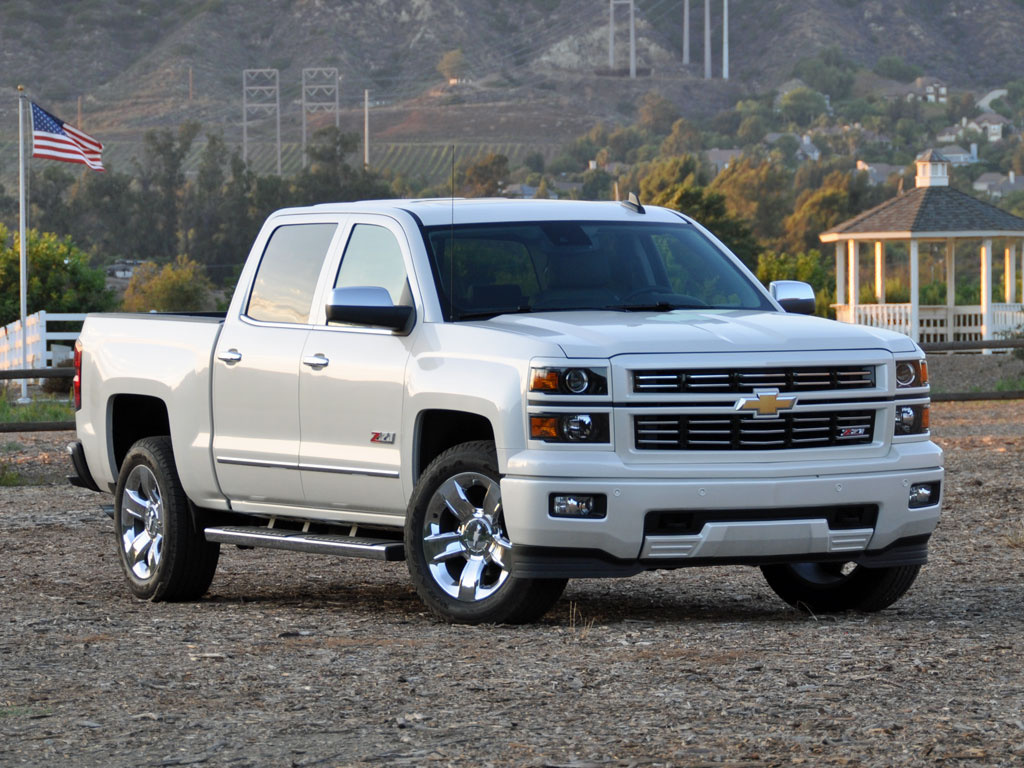
Fuel-efficient pickup trucks are more plentiful than most shoppers realize. A little research goes a long way, and there are plenty of capable trucks out there that deliver genuine real-world efficiency. We've put together a list of 10 of the best used trucks with EPA-estimated combined city/highway fuel economy of at least 25 mpg.
For clarity, this list covers trucks from 2015 to the present and leaves out all-electric models. Heavy-duty trucks are excluded as well, since they fall outside the scope of standard EPA fuel economy testing.
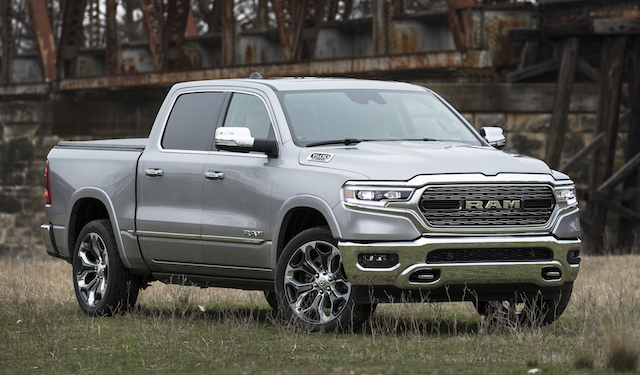
Powered by the 3.0-liter turbodiesel V6 — Ram's Ecodiesel — and paired with rear-wheel drive, the 2020-2022 Ram 1500 HFE earns an EPA-estimated 26 mpg combined. That's a standout number for a full-size truck that also delivers 480 pound-feet of torque, a towing capacity exceeding 8,000 pounds, and solid off-road credentials. HFE models were built on the no-frills Ram Tradesman platform, so the cabin prioritizes function over luxury — but these trucks are durable and built for the long haul. The HFE was sold exclusively as a Quad Cab — Ram's version of the extended cab, featuring four front-hinged doors — with seating for up to six.
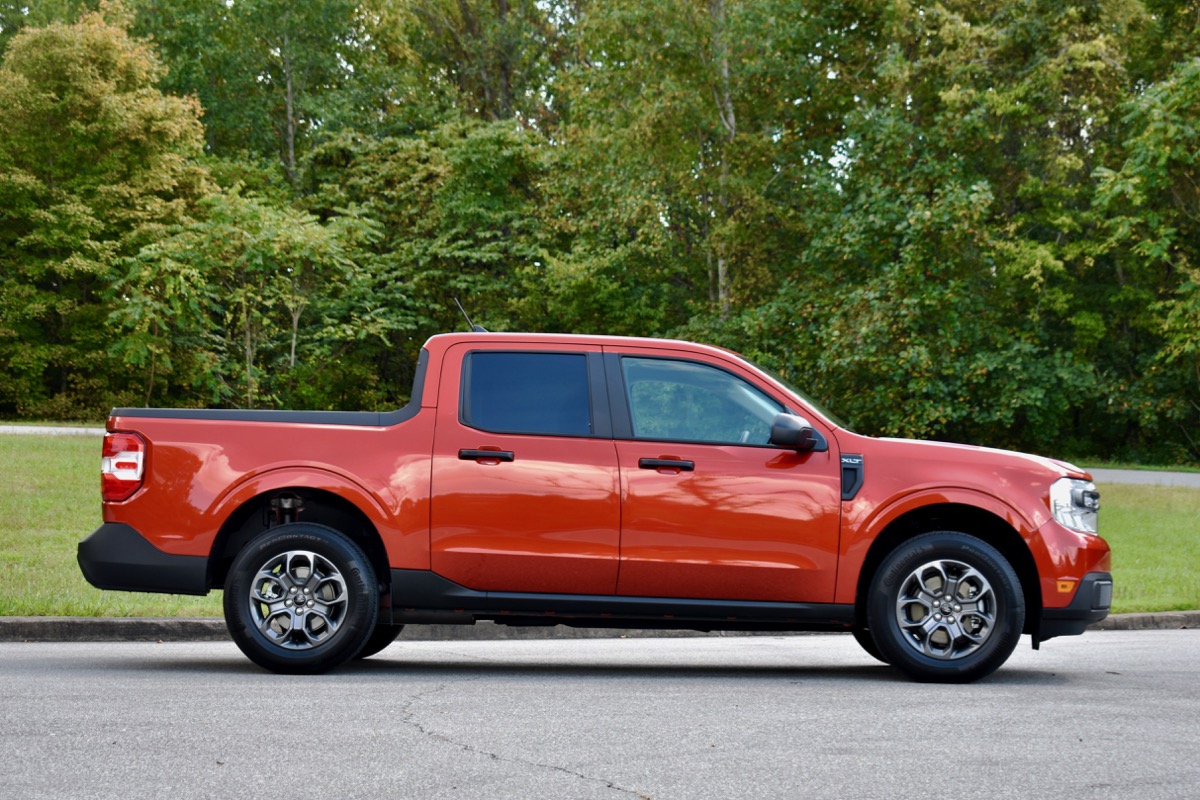
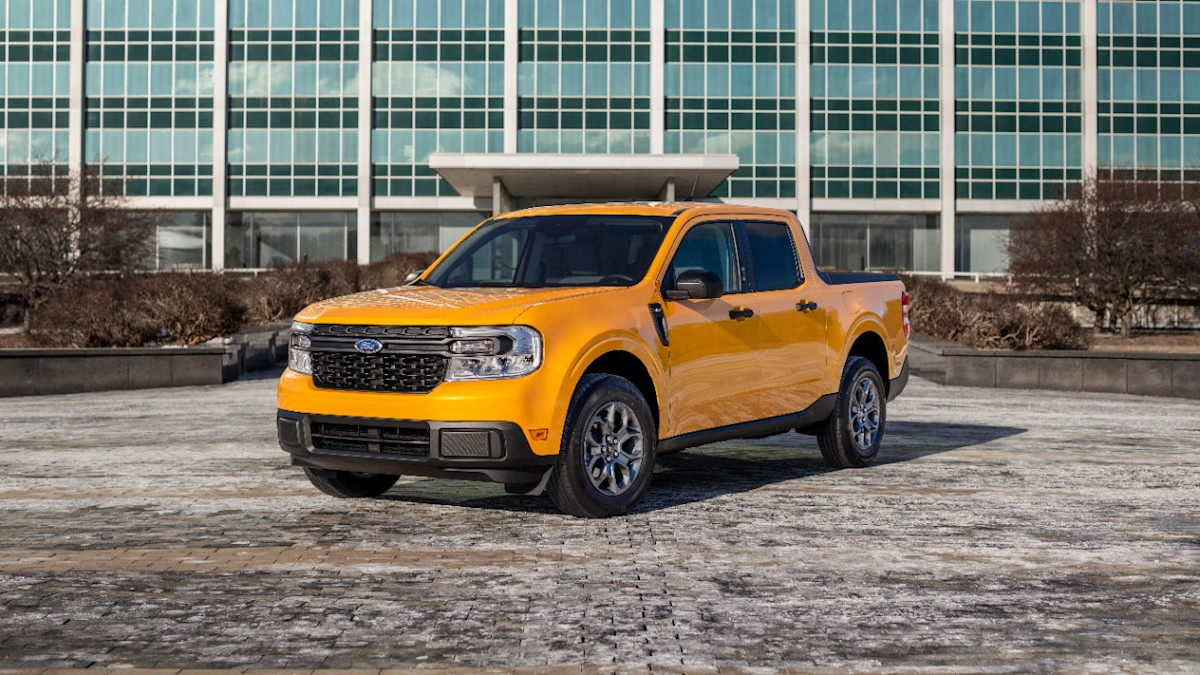
The Ford Maverick holds the title of most fuel-efficient pickup truck you can buy right now. This compact truck — more closely related in size to a late-'90s Ford Ranger or Dodge Dakota than today's mid-size segment — shares its platform with the Ford Escape, though it stretches longer and adds an open bed. Hybrid-equipped versions achieve EPA-estimated fuel economy as high as 37 mpg combined, a figure that turns heads in any vehicle class, let alone among pickups. The Maverick seats five, though the interior is noticeably tighter than larger options like the Ranger or F-150.
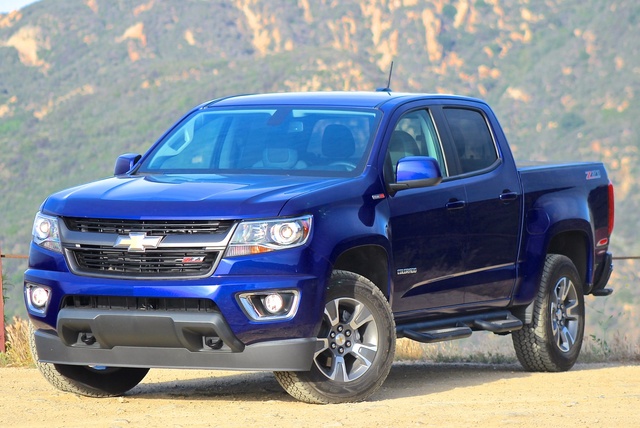
Certain configurations of the 2016-2018 Chevrolet Colorado — specifically those fitted with the available 2.8-liter inline-four turbocharged diesel and rear-wheel drive — are EPA-estimated to return up to 25 mpg combined. The turbodiesel is no lightweight either, generating 369 lb-ft of torque and a towing capacity of up to 7,700 pounds. Colorado trucks with this engine were offered exclusively as crew cabs, providing seating for five.
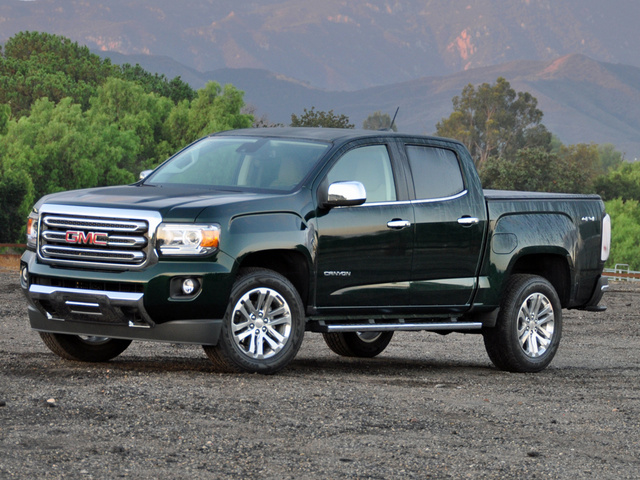
If the Colorado's efficiency numbers appeal to you but you'd rather drive something a bit less common, the GMC Canyon is worth a serious look. Mechanically — and to a large degree visually — it mirrors the Chevy, but it carries a more polished personality. Starting with the 2017 model year, the Canyon became available in the upscale Denali trim, adding features like heated and ventilated front seats and a wireless charging pad, all while remaining among the most efficient trucks on this list.
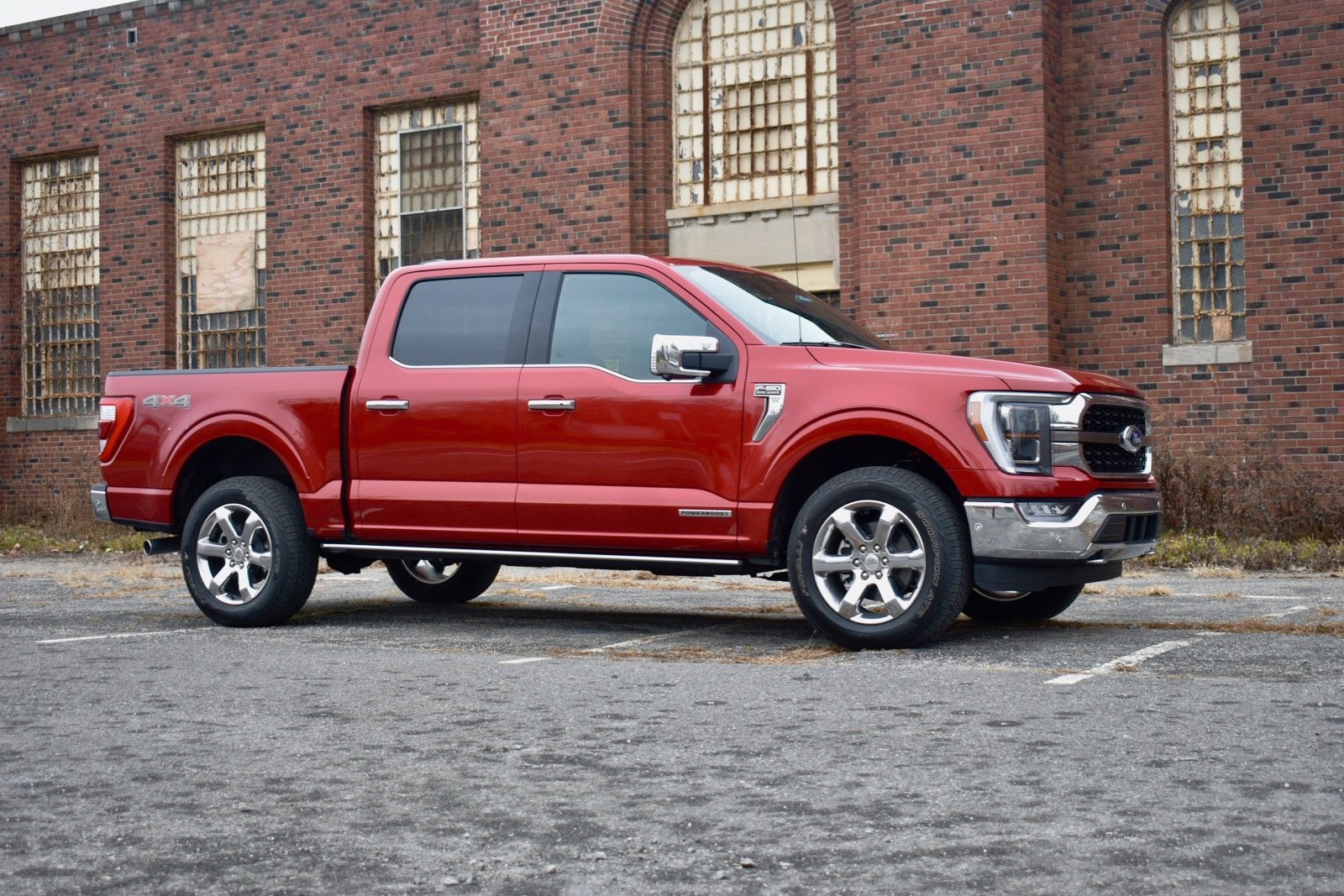
Ford's hybrid version of the F-150 combines a 3.5-liter twin-turbo V6 with an electric motor and battery pack to produce up to 430 horsepower, 570 lb-ft of torque, and an EPA-estimated 25 mpg combined. Ford brands this setup the PowerBoost, and it comes with a particularly useful perk: the ability to double as a mobile power generator — ideal for job sites or keeping things running at a tailgate. This powertrain was exclusive to select crew-cab F-150 configurations, many of which came well-equipped with premium features in higher trim levels.
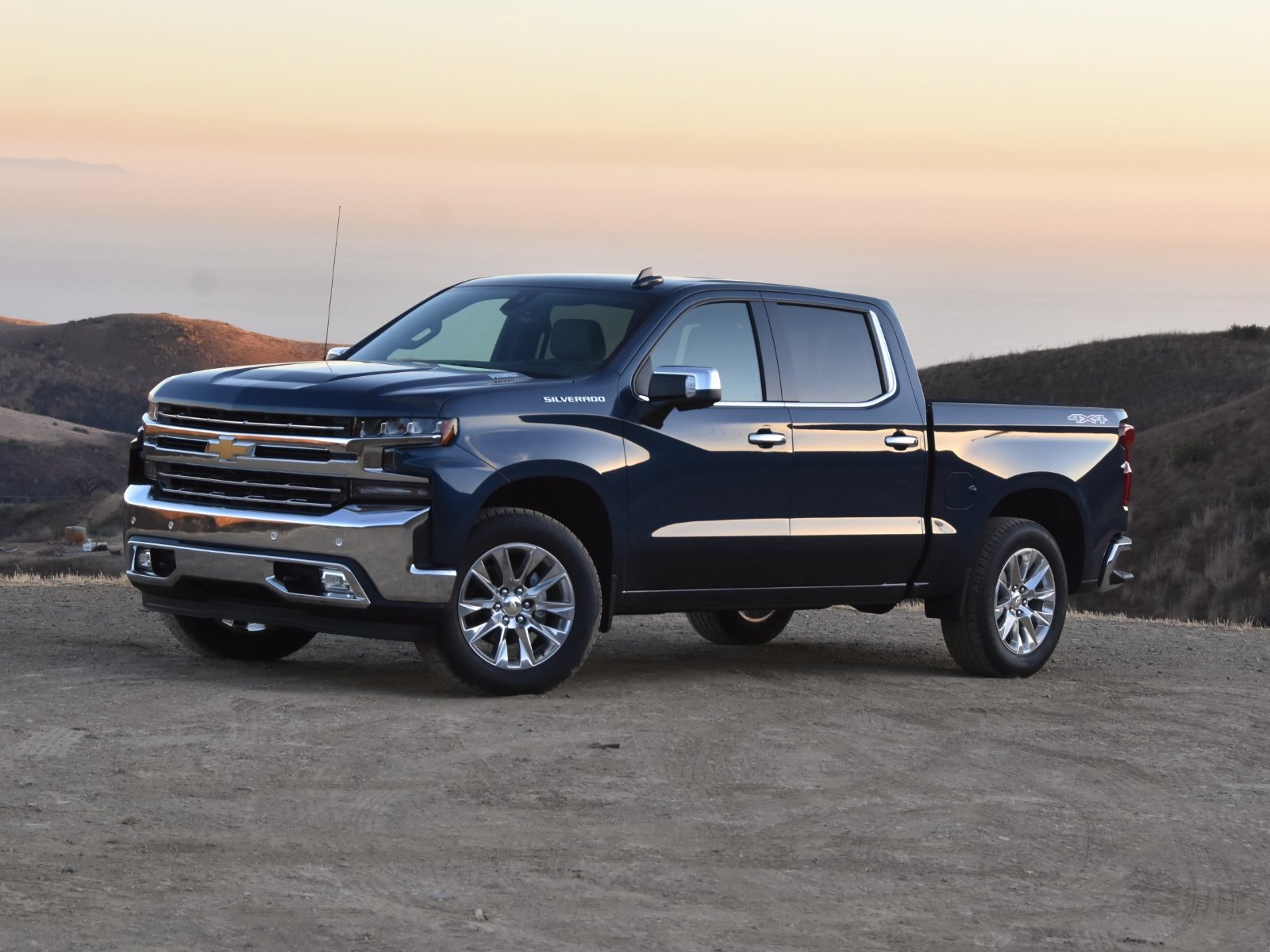
Certain versions of the 2020 and 2021 Chevrolet Silverado 1500 post fuel economy numbers that wouldn't look out of place on a mid-size sedan window sticker. Opt for a rear-wheel-drive Silverado 1500 with the 3.0-liter turbodiesel six-cylinder, and the EPA estimates an impressive 27 mpg combined. Efficiency aside, select configurations of these full-size trucks are also rated to handle a payload of up to 9,500 pounds.
Like its corporate cousin the Silverado, the GMC Sierra 1500 can be paired with a turbodiesel engine that delivers efficiency well beyond what you'd expect from a truck this size. While no Sierra variant quite matches the Silverado's 27 mpg peak, rear-wheel-drive turbodiesel models are still EPA-estimated at up to 26 mpg combined — strong numbers for a truck with this level of capability.
Ford Maverick models fitted with the optional turbocharged 2.0-liter four-cylinder EcoBoost are rated at 26 mpg combined — thirstier than the hybrid, but meaningfully more powerful and still impressively efficient by pickup truck standards. With the right factory-installed towing package, these trucks are rated to pull up to 4,000 pounds. Their relative youth in the used market also means certified pre-owned examples can frequently be found at Ford dealerships.
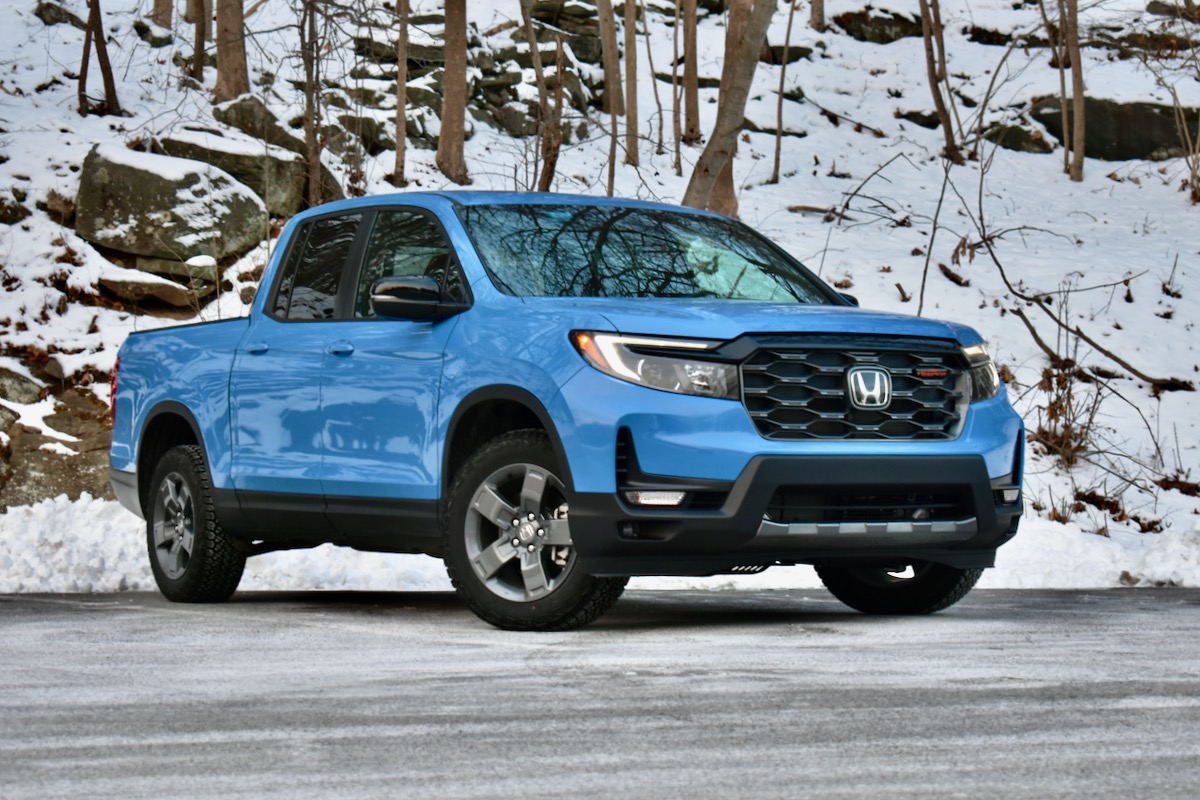
Modest updates for the 2025 model year helped Hyundai lift the fuel efficiency of its only pickup truck from 23 to 25 mpg combined, according to EPA estimates. Tracking down a low-mileage 2025 Santa Cruz on the used market in 2026 may require some patience, but even at 23 mpg, the Santa Cruz outperforms most larger trucks at the pump. It's not the most work-oriented truck on this list, but it compensates with a polished, car-like interior and seating for up to five. If that kind of driving experience appeals to you, the Nissan Frontier is another model worth adding to your shortlist.
For a brief stretch, Ford offered its legendary full-size pickup with a 3.0-liter turbodiesel engine. Available only as a crew cab with room for up to six passengers, this configuration earned an EPA-estimated 25 mpg combined — a respectable figure for an F-150, even if it trails some of the other full-size options on this list.
Diesel-powered vehicles generally use less fuel than gasoline-powered equivalents. That said, there are a few trade-offs worth understanding before committing to a diesel:
Diesel fuel typically costs more per gallon than regular unleaded, which can eat into the savings from improved fuel economy.
Diesel pumps aren't universally available, which can complicate fueling on longer road trips.
Modern diesel trucks rely on sophisticated emissions control systems that can be costly to maintain and repair.
ChristinaFelsing via Getty Images
Tips for Great Gas Mileage in Older Trucks
Getting better fuel efficiency from a used or older truck comes down to two fundamentals: smarter driving habits and consistent maintenance.
Whether you're piloting a compact like a Toyota Tacoma or a full-size hauler, avoiding hard acceleration and keeping your speed close to posted limits can make a real difference in how often you stop at the pump. The boxy, upright profile of most pickup trucks — think the wide front ends of a Dodge Ram, Toyota Tundra, or Chevy Silverado — generates significant aerodynamic drag, causing them to burn more fuel than sleeker, lower-profile vehicles. Minimizing that drag wherever possible pays off. Consolidating errands into single trips is another straightforward way to trim unnecessary miles. A tonneau cover for the bed is also worth considering — the fuel economy gains are modest, but they accumulate over tens of thousands of miles and can eventually offset the cost of the cover itself.
Routine maintenance matters just as much. An engine that's current on tune-ups, fluid changes, and filter replacements will run more efficiently than one that's been neglected. Pay attention to your tires as well — running the correct size and maintaining manufacturer-recommended inflation pressure, found in your owner's manual, can contribute meaningfully to fuel economy over time.
The Best Used Trucks With Good Gas Mileage FAQs
What is the most fuel-efficient used pickup truck you can buy?
The Ford Maverick Hybrid leads the pack by a wide margin, earning EPA-estimated fuel economy as high as 37 mpg combined — a figure that holds up against many sedans, let alone pickup trucks. It's a compact truck that seats five and offers a proper open bed, though its interior is noticeably tighter than larger options like the Ranger or F-150.
Can a full-size pickup truck really get 25 mpg or better?
Yes, and several do — especially when equipped with diesel or hybrid powertrains and configured with rear-wheel drive. The 2020-2021 Chevrolet Silverado 1500 Turbodiesel, for instance, is EPA-estimated at 27 mpg combined, while the 2021-2023 Ford F-150 PowerBoost Hybrid hits 25 mpg combined while producing up to 570 lb-ft of torque.
Are diesel trucks actually cheaper to fuel than gas-powered trucks?
Diesel engines generally consume less fuel than gasoline equivalents, which is why many of the most efficient trucks on this list use turbodiesel powertrains. However, diesel fuel typically costs more per gallon than regular unleaded, and diesel pumps aren't available everywhere, so the real-world savings aren't always as straightforward as the mpg numbers suggest.
What are some practical ways to get better gas mileage out of an older used truck?
Avoiding hard acceleration, staying near posted speed limits, and combining errands into single trips can all make a noticeable difference at the pump. Keeping up with routine maintenance — tune-ups, fluid changes, and proper tire inflation — helps your engine run at peak efficiency, and adding a tonneau cover to the bed delivers modest but cumulative aerodynamic benefits over time.
What Makes CarGurus Best Cars Guides Different?
Most car-shopping websites publish lists of the best cars across a variety of categories, with recommendations generally driven by editorial expertise. Here's what makes ours different: In addition to the insights and verdicts of our team of car-testing experts, our best cars guides take into account other factors that we know matter to buyers-real owner experiences and current market value.
Our expert reviewers are among this country's most trusted automotive journalists, also writing for publications including US News and World Report, Edmunds, Digital Trends, J.D. Power, and Car & Driver. They put each car through real-world testing and create detailed reviews of performance in a range of categories, from practicality and driving manners to cost-effectiveness and safety.
We also analyze hundreds of thousands of used car listings on CarGurus.com to track which models consistently offer the highest percentage of best deals relative to how many are listed for sale. Then we factor in reviews from owners-people who actually live with these cars every day. Our proprietary Best Cars algorithm then creates a final Overall CarGurus rating combining expert scores, user reviews, and the percentage of listings that have earned the Good or Great Deal rating. This multi-pronged approach reveals not just which cars excel on paper, but which ones deliver satisfaction and value when you're ready to buy.
The CarGurus market data used in this guide was last updated in July 2026. Values were accurate at time of publication and should be used as a guide only.
Andrew Ganz has had cars in his blood ever since he gnawed the paint off of a diecast model as a toddler. After growing up in Dallas, Texas, he earned a journalism degree, worked in public relations for two manufacturers, and served as an editor for a luxury-lifestyle print publication and several well-known automotive websites. In his free time, Andrew loves exploring the Rocky Mountains' best back roads—when he’s not browsing ads for his next car purchase.
The content above is for informational purposes only and should be independently verified. Please see our Terms of Use for more details.