It's a tough pill to swallow, but true sports cars are becoming an endangered species in today's automotive marketplace. These thrilling machines — alongside muscle cars, sporty sedans, and featherweight subcompact hatchbacks — are increasingly rare. But the ones that do exist? They rank among the greatest cars ever built. And most can be had for under $30,000.
The average American buyer seems laser-focused on SUVs, crossovers, and trucks, which means sports car prices have stayed relatively stable. If $30k sounds steep, consider this: it's actually well below the average new car transaction price in 2026 — by as much as $20,000, depending on your source. Unless you're chasing an exotic supercar, less than thirty grand opens the door to a surprisingly strong lineup of affordable sports cars, most of which won't have anywhere near 100,000 miles on the clock. For drivers who want something exhilarating, livable, and daily-driver friendly, everything you need is right here.
If a Dodge Challenger or Chevrolet Camaro is more your speed, don't worry — head over to our separate list of the best affordable muscle cars to find your next pavement-pounder.
Best for: Anyone who appreciates hard-charging American ingenuity that punches well above its weight
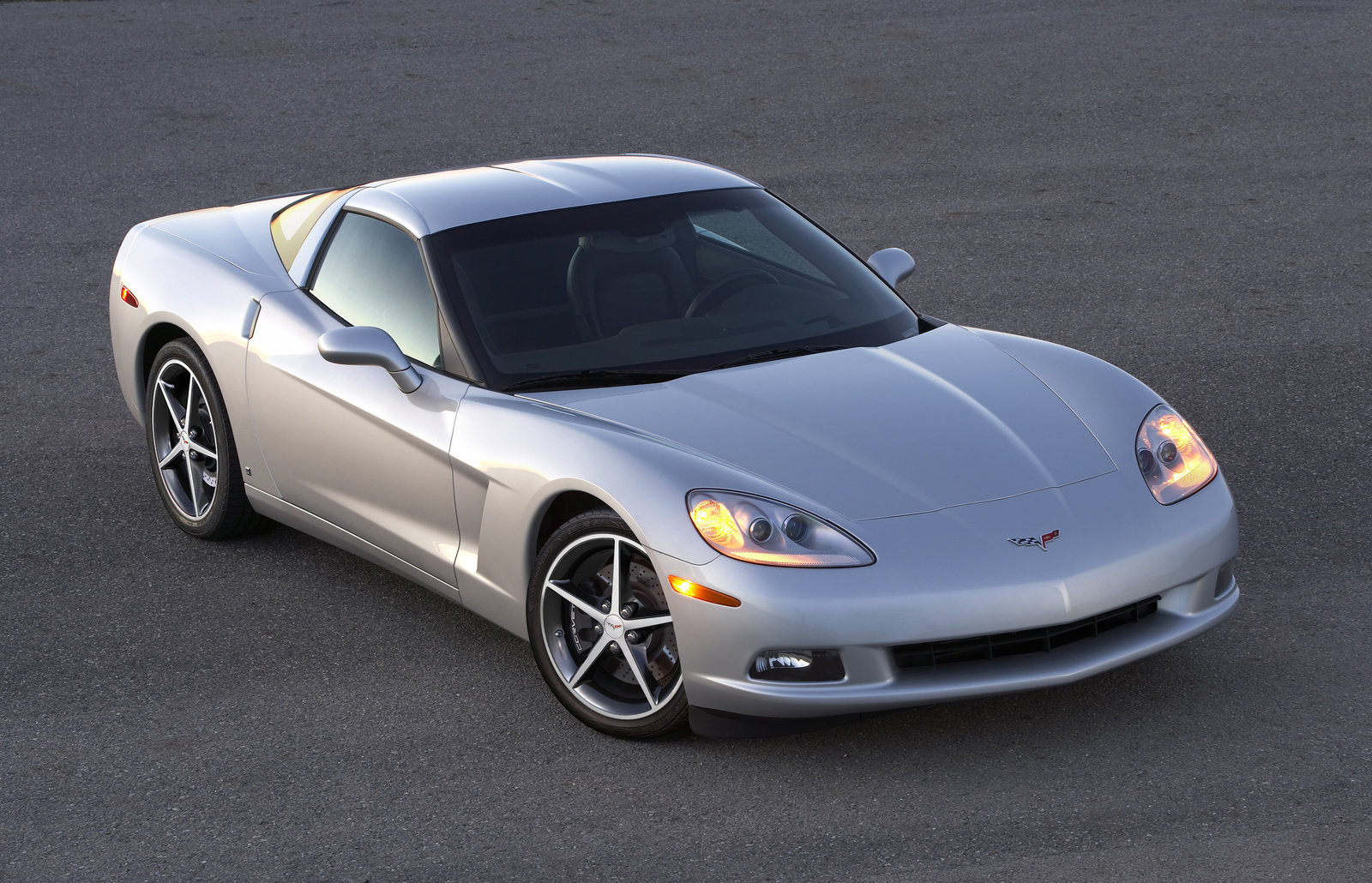
Ah, the C6. Few sports cars say quite as much about the person gripping the wheel. Pull up in one and your friends will immediately imagine you trading in your selvedge denim and heritage boots for cargo shorts and crisp white New Balance sneakers — white socks firmly in place, naturally.
But look past the stereotypes, because there is simply no other sports car on the market that delivers this level of performance potential per dollar as the rear-wheel-drive (RWD) C6 Corvette. These were world-class machines sold at roughly a third of the price of the European exotics they routinely embarrassed at the Nürburgring. In a test back in June 2012, a Corvette Z06 on street tires posted a 20,832-meter Nordschleife lap time of 7:22:68. And that's the Z06, not the supercharged Z01. That time was enough to eclipse contemporary laps from a Porsche 911 Carrera GTS, an Audi R8 V10, a Nissan GT-R, a Maserati MC-12, a Pagani Zonda F Clubsport, a Ferrari Enzo, and a Lamborghini Aventador LP700-4. The numbers speak for themselves. The Corvette is, without question, a serious performance machine.
You may never earn the nod of approval from the internet's most vocal automotive critics, but you'll have the quiet satisfaction of knowing you can leave every last one of them behind — in a Chevy.
Best for: A spirited Italian driving experience on a budget
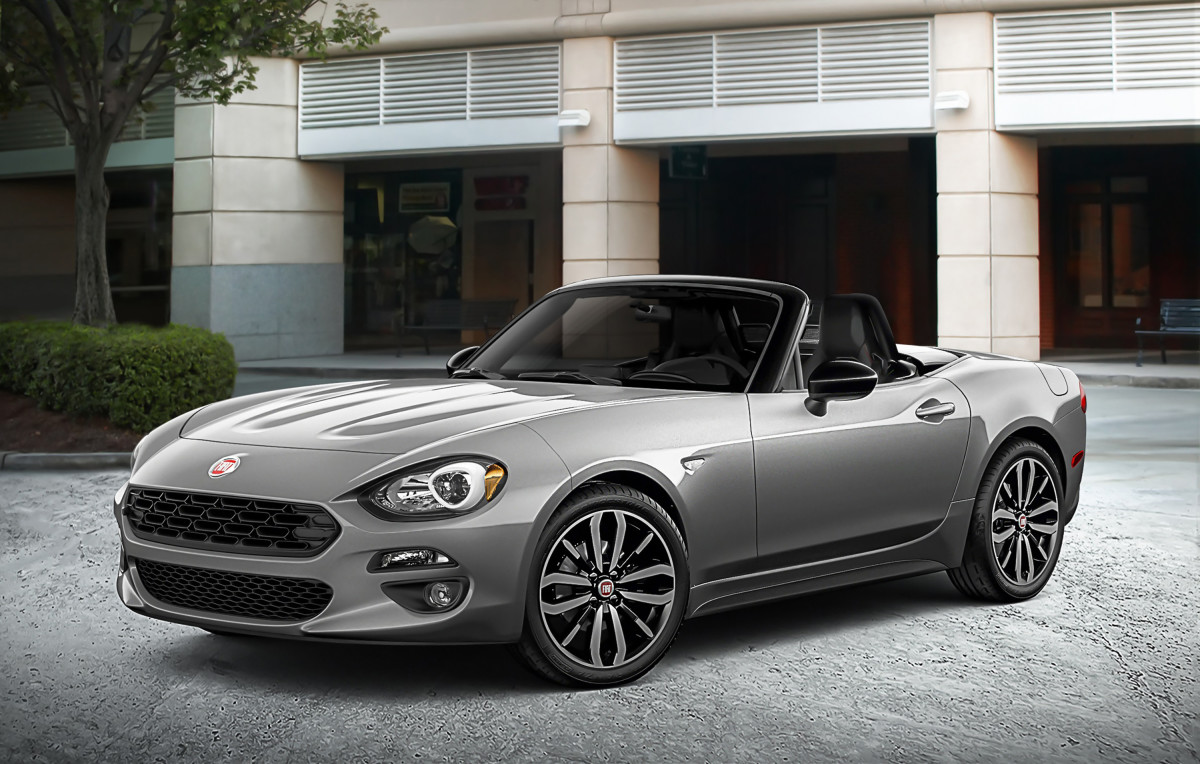
With Fiat now directing its US focus exclusively toward the 500e, anyone in search of a 124 Spider will need to shop the used market. That's a genuine loss, because in several meaningful ways, the Fiat 124 Spider actually improved upon the car it was built alongside — the Mazda MX-5 Miata.
Start with the styling. The Fiat 124 Spider makes a persuasive case for being the more beautiful car of the two. Aesthetics are always in the eye of the beholder, but the 124 Spider genuinely channels the soul of a classic late 1960s/early 1970s Italian roadster in a way that very few modern cars manage.
Early in the 124 Spider's production run, the turbocharged TurboAir four-cylinder in the Abarth model gave it a clear power advantage over the Miata. Mazda has since closed that gap and pulled ahead on outright performance figures, even without resorting to forced induction. What's remarkable is how distinctly different these two cars feel from behind the wheel despite sharing so much mechanically. If lap times are your priority, the MX-5 Miata is the sharper instrument. If you'd rather savour a winding back road in one of the most characterful sports cars available, the Fiat 124 Spider in Abarth trim is the answer. The best part? You can buy one fully loaded and still clear our $30,000 ceiling with room to spare.
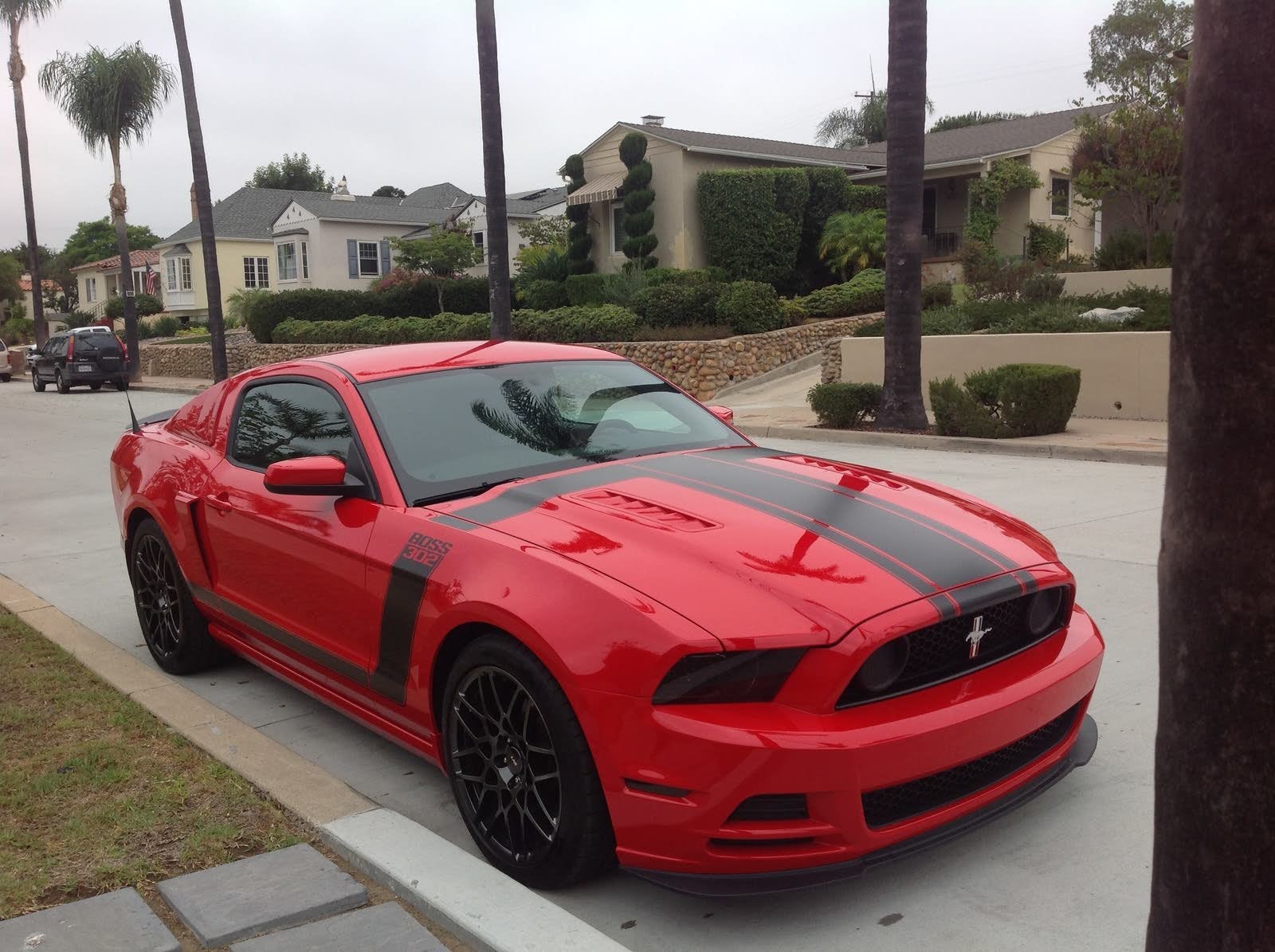
Let's be upfront: a Ford Mustang GT is far easier to track down — and considerably cheaper — than a Boss 302. But this list is about the best sports cars under $30K, and the Boss 302 is the closest thing to a true sports car that Ford ever coaxed out of the Mustang platform.
The Boss 302 was essentially a skunkworks project. It received a 5.0-liter Coyote V8 with CNC-ported cylinder heads, a forged crankshaft, revised camshaft profiles, and a unique intake manifold lifted directly from the 302R race car. The result was 444 horsepower, paired with slightly less torque than the standard GT — a deliberate engineering trade-off that prioritized top-end power delivery over low-end grunt. The 2012 Mustang GT, for context, made do with 412 hp and 390 lb-ft of torque from its 5.0-liter V8. (The EcoBoost option wouldn't arrive until 2015.)
Chassis development received an equally thorough overhaul relative to the GT, featuring higher-rate coil springs, stiffer bushings, a larger-diameter rear stabilizer bar, and a front ride height dropped 11 mm. There's also a Laguna Seca package with even more aggressive suspension calibration, Recaro buckets up front, and no rear seat at all — but you won't find one of those within this price range. The standard Boss 302 is more than sufficient. It's a fundamentally different machine from the everyday Mustang GT.
Best for: Drivers who live for razor-sharp, communicative handling
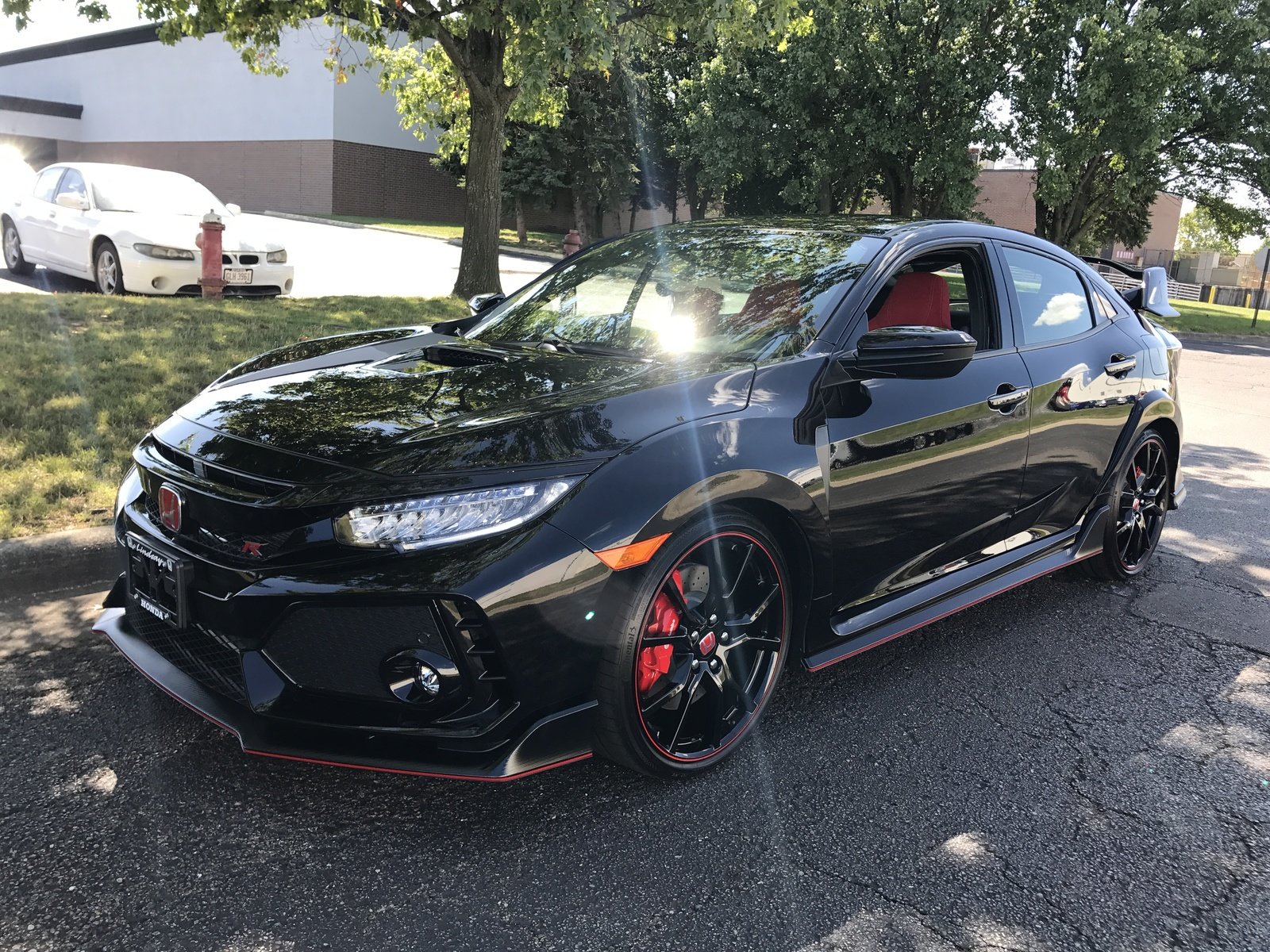
The Honda Civic Type R moved into a new generation with the 2023 model year. Finding a used example of the previous generation for under $30,000 takes patience, but it's achievable. A nationwide CarGurus search turned up one with just 30,000 miles in Bloomington, Illinois. Most examples sit in the $32,000 to $35,000 range, but monitor listings consistently and a sub-$30k example will eventually appear.
This is the car that sent shockwaves through the automotive world on April 3, 2017, when it posted a 7:43:80 lap time at the Nürburgring Nordschleife — seven full seconds quicker than its predecessor and a new front-wheel-drive (FWD) production car record. It went on to set front-drive benchmarks at circuits across the globe.
These cars generate a remarkable amount of power for their size, routing 306 hp through the front wheels from an engine no larger than those found in some motorcycles. With a top speed of 169 miles per hour, it was also the fastest Civic Type R ever produced at the time. And unlike some track-focused hot hatches, the interior is genuinely comfortable and thoughtfully designed.
If you'd prefer something a little more low-key — and easier on the budget — a Civic Si is a worthy alternative.
Best for: Capturing the raw, unfiltered essence of the hot hatch
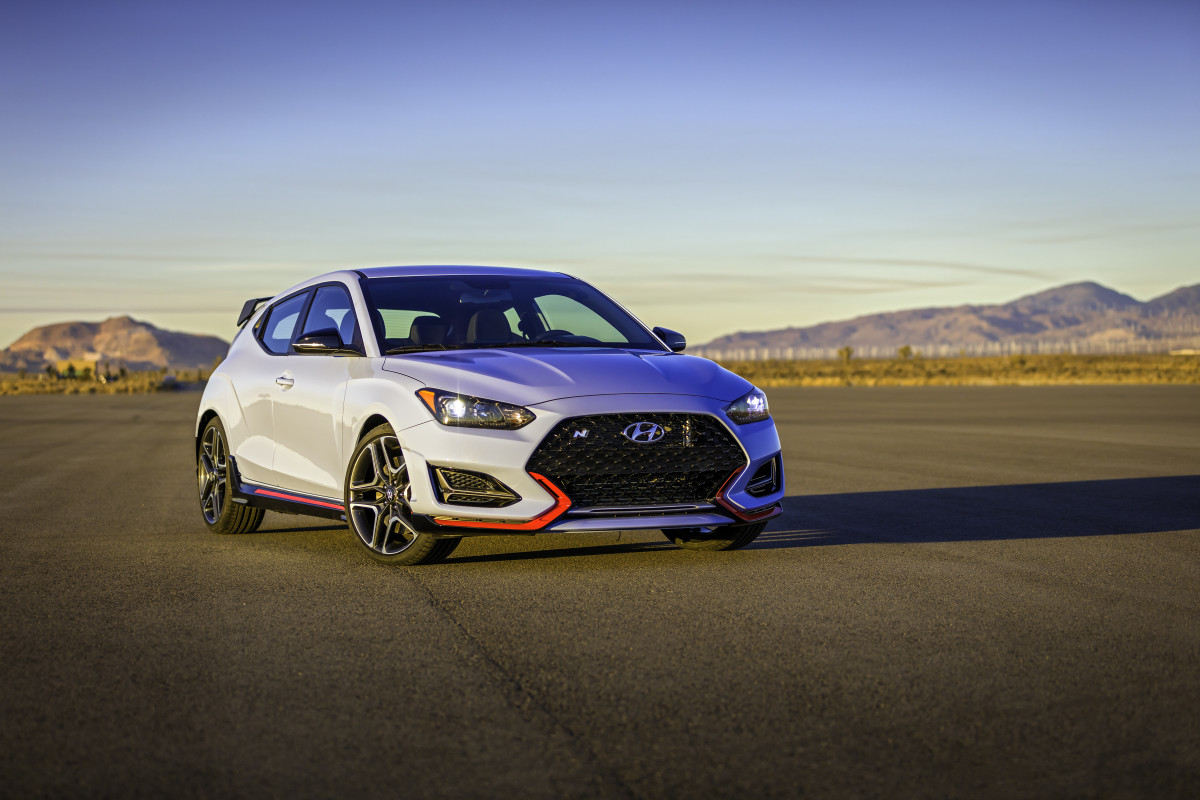
During its production run, the Hyundai Veloster was frequently grouped alongside the Kia Soul in casual comparisons. Don't be misled by that association: the Veloster N is an entirely different kind of machine, and it remains one of the most compelling used sports cars available at this price point. The 275-hp Veloster N was the definitive hot hatch in its class — and it wasn't a particularly close contest.
The figures tell the story: 275 horsepower. A six-speed manual with rev-matching. At the time of its launch, the most aggressive factory exhaust note fitted to any production car this side of Porsche. Zero to 60 in 4.3 seconds. Veloster Ns from the final two model years include everything that was previously reserved for the optional Performance Package as standard equipment — but if you're eyeing an earlier car, confirm that package is present. It also brings an electronic limited-slip differential that does an exceptional job of deploying power cleanly out of corners, making the Veloster N a natural for track days and high-performance driving events (HPDEs).
Best for: Purists who want the most authentic sports car experience available
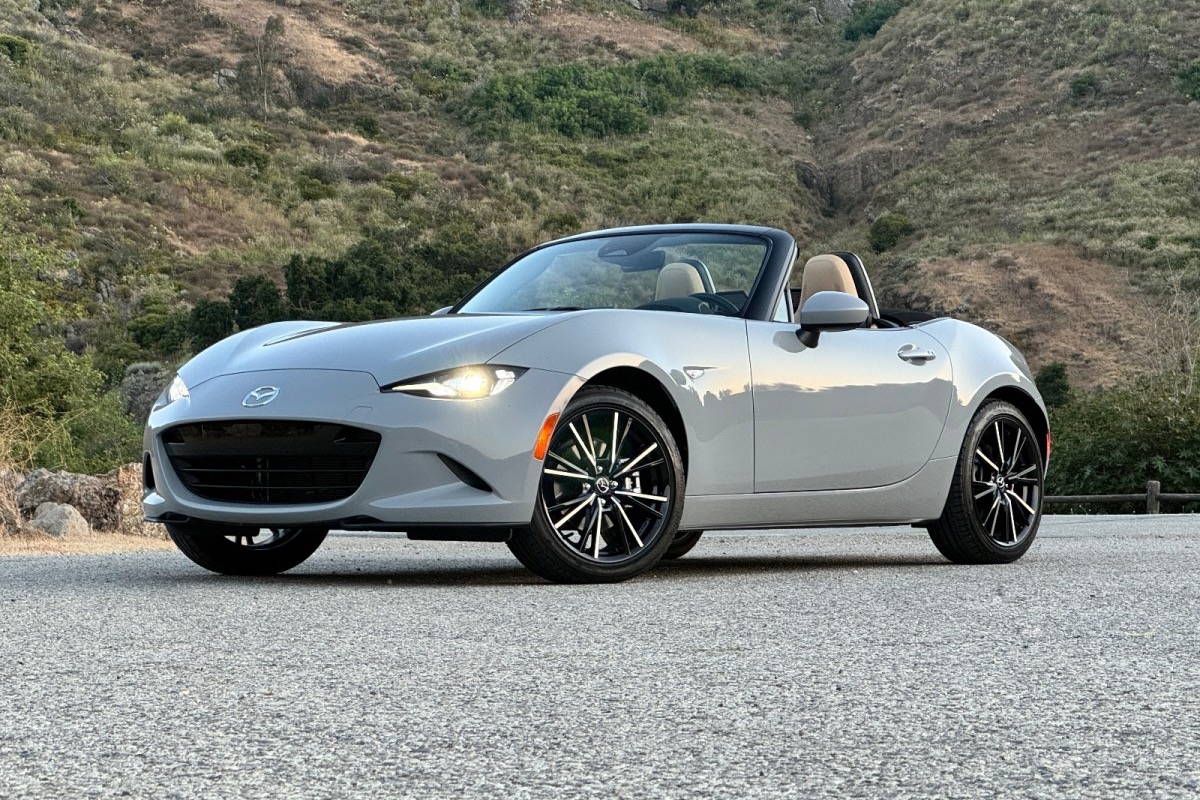
Still the undisputed standard-bearer among two-seat sports cars, the Mazda MX-5 Miata moves around 10,000 units annually with impressive consistency. The current ND generation represents a genuine leap forward from the third-generation NC — though those older cars are earning renewed appreciation on the used market as buyers rediscover what made them so special.
The naturally aspirated Skyactiv-G four-cylinder produces 181 horsepower and returns a respectable 35 mpg, which is just enough to justify calling it fuel-efficient with a straight face. Even the base trim arrives with active safety technology including lane-departure warning and Smart City Brake Support, along with performance figures that match what you'd find in the pricier Grand Touring.
The base 2025 Mazda MX-5 Miata Sport starts just below $30,000, but the trim worth seeking out is the Club — which means looking at used examples. The Club adds appealing touches like a nine-speaker Bose audio system with AudioPilot, headrest speakers for both driver and passenger, and a subwoofer. More importantly, when paired with the manual transmission — the only choice worth making — the Club trim includes a standard Torsen limited-slip differential.
Best for: Drivers who want maximum fun from a genuinely small footprint
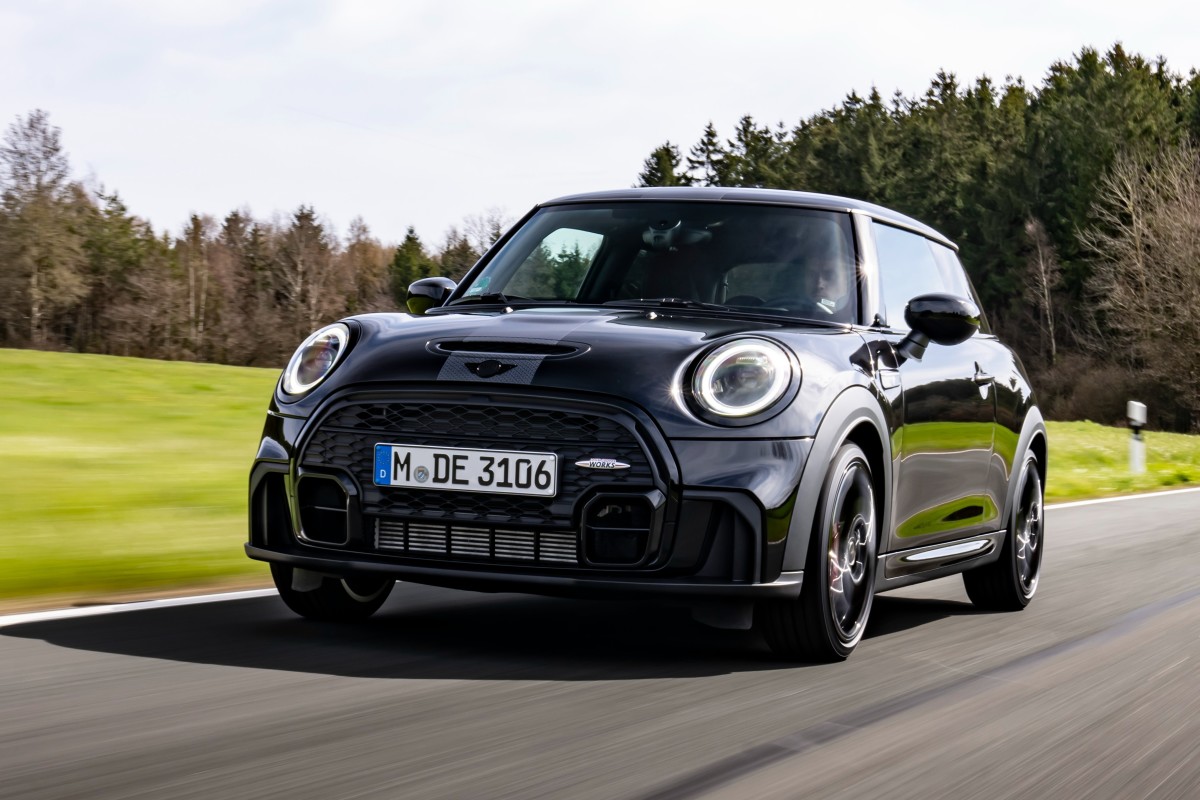
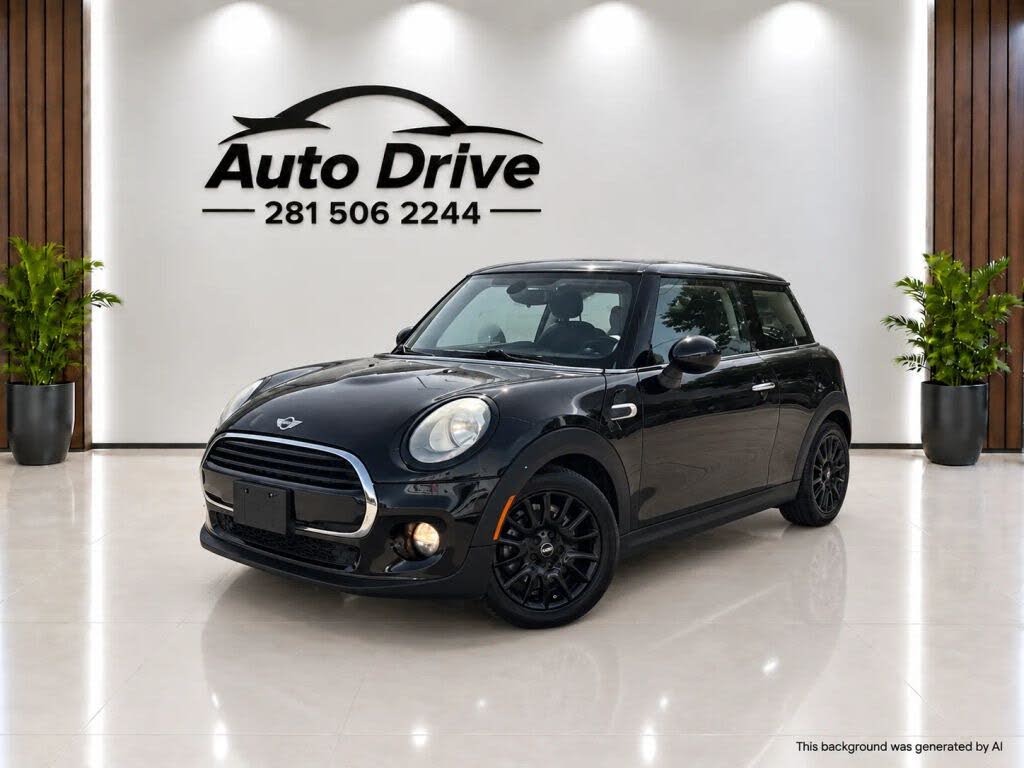
The BMW MINI Cooper remains one of the most entertaining sporty cars on the American market, and with a little creative framing, you can almost make a case for it being practical — especially in four-door form. The cargo area handily beats the Audi TT's, and the rear seats can accommodate adult passengers over reasonable distances without anyone raising a formal objection.
The driving experience is genuinely joyful. The MINI Cooper may not lead the field in any single performance metric. It's not the quickest car on this list, and it won't dominate an autocross course. But it's the kind of car that keeps a smile on your face all day, while remaining composed in city traffic and effortless to slot into a tight parking space.
A meaningful price increase for 2026 pushes the new Cooper S past our $30,000 ceiling, so you'll need to hunt for a used example or seek out remaining 2024 stock on dealer lots. The 2024 Cooper S started at $29,100 new ($1,000 more for the four-door) and offers a 55-horsepower advantage over the base model while sacrificing just 1 mpg. The sprint to 60 mph takes 6.4 seconds — nowhere near Veloster N territory, but more than sufficient to keep things entertaining. Crucially, the 2024 MINI Cooper S was available with a six-speed manual gearbox, a feature dropped for the 2025 model, which comes exclusively with a seven-speed dual-clutch transmission.
Best for: 911 enthusiasts searching for an even purer driving experience
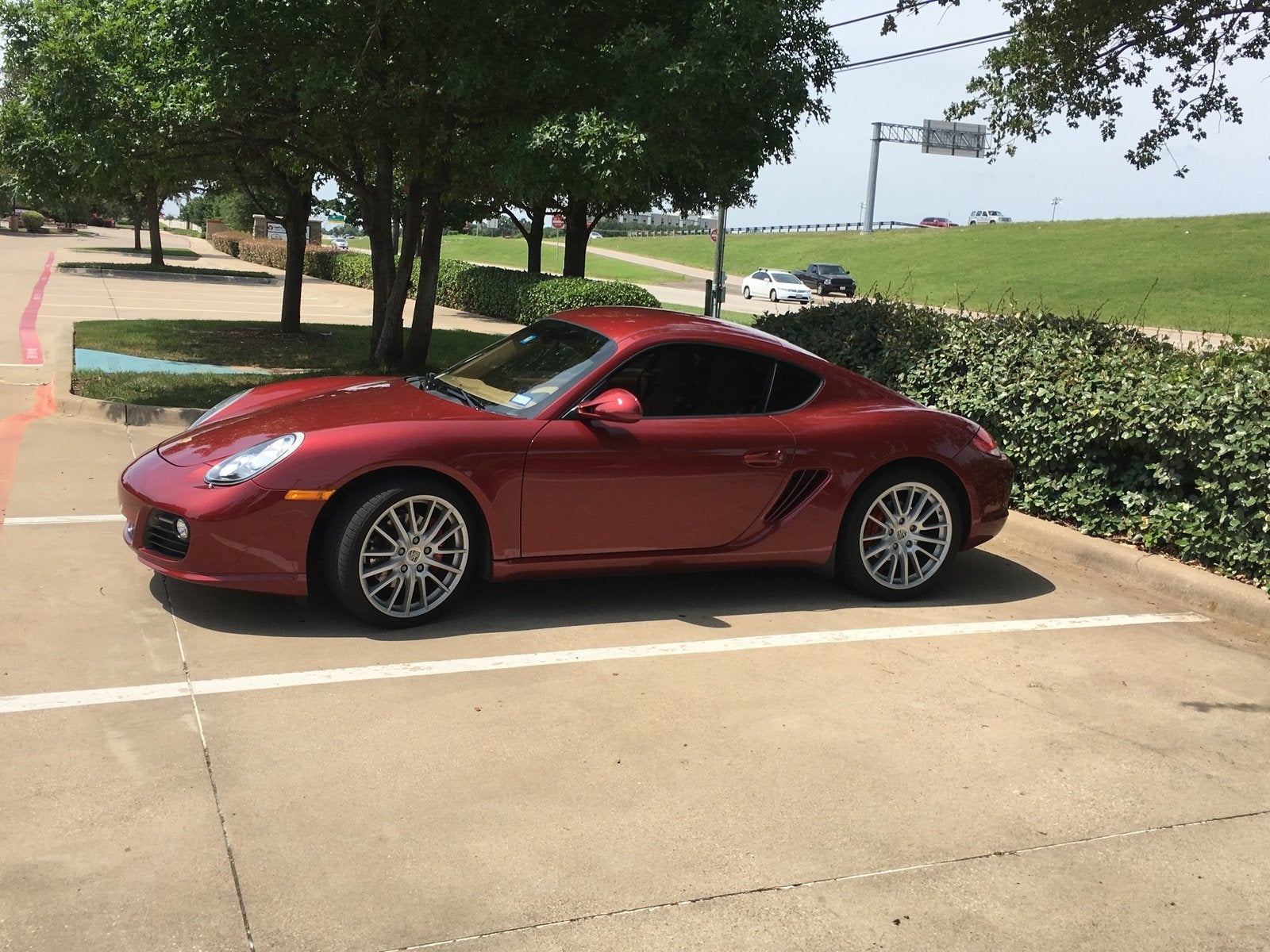
The Porsche Cayman and the Porsche Boxster are fundamentally the same car — the Cayman wears a fixed hardtop where the Boxster opens to the sky. Porsche 911 loyalists may look down on both, but they'd be missing the point entirely. Either the Cayman or the Boxster is quite likely the finest car most of us will ever have the pleasure of driving.
The 987.1 base Cayman came with a 2.7-liter flat-six producing a healthy 240 horsepower, while the updated 987.2 that arrived in 2009 brought a 2.9-liter unit making 265 hp. Transmission choices span a five-speed manual or a five-speed Tiptronic automatic. From 2008 onward, the Tiptronic gave way to the seven-speed Porsche Doppelkupplungsgetriebe (PDK) dual-clutch automatic. Don't dismiss the PDK out of hand. If outright pace is the goal, no human being shifts gears as precisely or as quickly as the PDK in launch mode. The experience is genuinely revelatory.
There's also the timeless coupe-versus-convertible debate to consider. If top-down motoring is what you're after, the Boxster delivers. But the Cayman is the more dramatic and visually striking of the two — a luxury sports car that feels purpose-built in a way few cars at any price point can claim.
Best for: Anyone chasing mid-engine-like handling dynamics at a fraction of European sports car prices
Two for the price of one. The Subaru BRZ and the Toyota GR86 — which has been renamed three times and changed brands twice since its debut as the Scion FR-S — are essentially the same car. They share the same chassis, the same 228-232-hp Subaru "boxer" engine, the same six-speed manual transmission, and virtually everything else. Both offer a token rear seat that's ideally suited to luggage, small pets, or passengers you'd prefer not to engage in conversation, and both are known for a cargo area generous enough to swallow a spare set of track wheels and tires.
The power increase in the current generation addressed the one genuine criticism levelled at the outgoing model. A 10-percent bump was all it took to make the engine feel properly matched to the chassis — and that chassis was already improved, with sharper turn-in, better handling balance, and stronger braking performance.
The Subaru carries a slight price premium over the Toyota, which starts at exactly $30,000 for the 2025 model year. Used examples below $30,000 are plentiful, and prices will continue softening — at least until these cars inevitably earn classic status, which is still some way off.
Whatever you choose, if you live somewhere that experiences real winters, invest in a set of steel wheels and dedicated snow tires. These cars are an absolute blast in slippery conditions.
Best for: Maximum all-weather grip with a side of controllable oversteer
The current-generation WRX was a ground-up redesign for 2022. It's every bit as entertaining to drive as its predecessors, while also being more refined and livable when you're not wringing every last tenth out of it. The catch? Pricing has drifted steadily past $30,000 over the past few years — partly a consequence of Subaru discontinuing the base trim — but used examples can still be found within budget.
Initial reactions to the new styling were mixed online, and we'll admit it didn't win us over in photographs either. In person, however, it's a sharp-looking sports sedan, and the right color choice can either accentuate or soften the black body cladding depending on your taste.
Power is up modestly to 271 horsepower from the turbocharged boxer four-cylinder, and you'll want to keep the engine spinning within its powerband to extract the best from it. The standard Symmetrical All-Wheel Drive (AWD) system is a genuine asset — particularly if this is your sole sports car and you live somewhere that sees significant snowfall for months at a time.
Best for: Hot hatch devotees who refuse to compromise
Calling the Volkswagen Golf GTI a "sports car" is admittedly a stretch. It's not a coupe or a roadster, and at 245 horsepower and over 3,100 pounds, it doesn't fit the traditional performance car profile. But it did invent an entire segment, and it has outlasted the very nameplate it was derived from. These days, if you want a new Golf in the US, your choices are the GTI or the Golf R — nothing else.
Like the Subaru WRX, the Volkswagen Golf GTI crossed the $30,000 threshold with the 2023 model year, making the used market your best avenue here. That may actually be the smarter move: the 2023 GTI was the last model offered with a six-speed manual transmission. Inside, you'll find the finest seats of any compact sporty car on this list, upholstered in the iconic plaid pattern that pays tribute to the original GTI that launched in 1976.
Beyond the driving experience, it's a genuinely useful car — the hatch will swallow a small piece of furniture without protest, and four proper doors allow you to make a reasonable argument that this is, in fact, a sensible family vehicle.
The Best Sports Cars Under $30,000 to Buy in 2026 FAQs
What is the best sports car to buy for under $30,000?
There's no single answer, since the right choice depends entirely on what you want from a sports car. If maximum performance per dollar is the priority, a used C6 Chevrolet Corvette is exceptionally hard to beat; if a pure, lightweight roadster experience is what you're after, the Mazda MX-5 Miata remains the undisputed benchmark. The encouraging news is that $30,000 sits well below the average new car transaction price in 2026, so your money stretches surprisingly far in this segment.
Are sports cars under $30,000 practical enough to use as daily drivers?
Several cars on this list are genuinely livable every day, not just on weekends. The Volkswagen Golf GTI and Subaru WRX, for example, offer four doors, real cargo space, and in the WRX's case, all-wheel drive for year-round usability. Even the more focused options, like the Honda Civic Type R, come with modern interiors and active safety technology that make them comfortable daily commuters.
Which affordable sports cars are best for driving in snow or bad weather?
The Subaru WRX is the clear standout, thanks to its standard Symmetrical All-Wheel Drive system, which makes it an excellent option if you live somewhere that sees meaningful winter weather. The Subaru BRZ and Toyota GR86 are rear-wheel-drive cars that can be genuinely entertaining in slippery conditions, but the article specifically recommends pairing them with a dedicated set of snow tires on steel wheels if you plan to drive them through winter.
Should I buy a new or used sports car to stay under $30,000?
It depends on the model. Some cars on this list, like the base Mazda MX-5 Miata and Toyota GR86, still start near $30,000 new, making them accessible without going used. Others, like the Volkswagen Golf GTI and MINI Cooper S, have crossed the $30,000 threshold with recent model years, so shopping used or seeking out remaining older inventory is the smarter approach to staying within budget.
What Makes CarGurus Best Cars Guides Different?
Most car-shopping websites publish lists of the best cars across a variety of categories, with recommendations generally driven by editorial expertise. Here's what makes ours different: In addition to the insights and verdicts of our team of car-testing experts, our best cars guides take into account other factors that we know matter to buyers-real owner experiences and current market value.
Our expert reviewers are among this country's most trusted automotive journalists, also writing for publications including US News and World Report, Edmunds, Digital Trends, J.D. Power, and Car & Driver. They put each car through real-world testing and create detailed reviews of performance in a range of categories, from practicality and driving manners to cost-effectiveness and safety.
We also analyze hundreds of thousands of used car listings on CarGurus.com to track which models consistently offer the highest percentage of best deals relative to how many are listed for sale. Then we factor in reviews from owners-people who actually live with these cars every day. Our proprietary Best Cars algorithm then creates a final Overall CarGurus rating combining expert scores, user reviews, and the percentage of listings that have earned the Good or Great Deal rating. This multi-pronged approach reveals not just which cars excel on paper, but which ones deliver satisfaction and value when you're ready to buy.
The CarGurus market data used in this guide was last updated in July 2026. Values were accurate at time of publication and should be used as a guide only.
Craig began his automotive writing career in 1996, at AutoSite.com, one of the first online resources for car buyers. Over the years, he's written for the Boston Globe, Forbes, and Hagerty. For seven years, he was the editor at Hemmings Sports & Exotic Car, and today, he's the automotive editor at Drive magazine. He's dad to a son and daughter, and plays rude guitar in a garage band in Worcester, Massachusetts.
The content above is for informational purposes only and should be independently verified. Please see our Terms of Use for more details.