2025 Lincoln Aviator vs 2025 Toyota 4Runner
Overview | |
MSRP$57,830 | MSRP$41,270 |
Listings69 | Listings117 |
Ratings & Reviews | |
User Reviews | User Reviews |
Expert reviews7.8 out of 10 | Expert reviews7.7 out of 10 |
Pros
Cons
| Pros
Cons
|
2025 Lincoln Aviator Reviews SummaryIn the midsize, three-row luxury SUV segment, the 2025 Aviator embraces the mid-century modern cues of the past while delivering a calm, unhurried sanctuary for the present. Yet, starting in 2025, this Lincoln simultaneously contains some of the most advanced technology of any of its rivals. Fresh styling and new thematic packages are also available; however, the previously offered plug-in hybrid model has not been reintroduced to the lineup, leaving a twin-turbocharged V6 as the sole engine option. Verdict: Distinctive without resorting to polarization, the 2025 Lincoln Aviator is a compelling choice for people seeking a powerful, quiet, and comfortable luxury SUV. It’s been around since 2019, yet you can’t consider this Lincoln to be a relic thanks to its undeniable technological sophistication. | |
2025 Toyota 4Runner Reviews SummaryAfter a very long 15 years, we finally got a new Toyota 4Runner with more capabilities, power, comfort, and technology. It's also more efficient thanks to a new hybrid option and more composed on pavement, but it remains a solid all-terrain vehicle to extend your adventures further. Verdict: Toyota doesn't throw out the fomula with its newly redesigned 4Runner. Instead, the 2025 model keeps many of the features shoppers have loved for over a decade, while also adding a more contemporary selection of four-cylinder powertrains. | |
No video found | |
Popular Features & Specs | |
Engine3.0L 400 hp V6 | Engine |
Drive TrainRWD | Drive Train |
Seating Capacity7 | Seating Capacity7 |
MPG City18 | MPG City |
MPG Highway25 | MPG Highway |
Engine | |
Engine Name3.0L 400 hp V6 | Engine Name2.4L 278 hp I4 |
Torque | Torque317 lb-ft @ 1700 rpm |
Horsepower | Horsepower278 hp @ 6000 rpm |
DrivetrainRWD | Drivetrain4X2 |
Fuel Economy | |
MPG City18 | MPG City |
MPG Highway25 | MPG Highway |
Interior | |
Seating Capacity7 | Seating Capacity7 |
Key Features | |
Navigation SystemStandard | Navigation System |
Sunroof/MoonroofStandard | Sunroof/Moonroof |
Safety | |
Front Crash Overall5 | Front Crash Overall4 |
Side Crash Overall5 | Side Crash Overall5 |
Dimensions & Capacity | |
Cargo Space16.5 cu ft | Cargo Space48.4 cu ft |
Curb Weight4745 lbs | Curb Weight4455 lbs |
Height69.2 in | Height72.6 in |
Length199.7 in | Length194.9 in |
Width89.9 in | Width78.0 in |
Wheelbase119.1 in | Wheelbase112.2 in |
Maximum Payload1615 lbs | Maximum Payload895 lbs |
Number of doors4 | Number of doors4 |
Maximum Towing Capacity5000 lbs | Maximum Towing Capacity6000 lbs |
Standard Towing Capacity | Standard Towing Capacity6000 lbs |
Overview | ||
MSRP | $57,830 | $41,270 |
Listings | ||
Ratings & Reviews | ||
User reviews | ||
Expert reviews | 7.8 out of 10Read full review | 7.7 out of 10Read full review |
Pros & cons | Pros
Cons
| Pros
Cons
|
Summary | In the midsize, three-row luxury SUV segment, the 2025 Aviator embraces the mid-century modern cues of the past while delivering a calm, unhurried sanctuary for the present. Yet, starting in 2025, this Lincoln simultaneously contains some of the most advanced technology of any of its rivals. Fresh styling and new thematic packages are also available; however, the previously offered plug-in hybrid model has not been reintroduced to the lineup, leaving a twin-turbocharged V6 as the sole engine option. Verdict: Distinctive without resorting to polarization, the 2025 Lincoln Aviator is a compelling choice for people seeking a powerful, quiet, and comfortable luxury SUV. It’s been around since 2019, yet you can’t consider this Lincoln to be a relic thanks to its undeniable technological sophistication. | After a very long 15 years, we finally got a new Toyota 4Runner with more capabilities, power, comfort, and technology. It's also more efficient thanks to a new hybrid option and more composed on pavement, but it remains a solid all-terrain vehicle to extend your adventures further. Verdict: Toyota doesn't throw out the fomula with its newly redesigned 4Runner. Instead, the 2025 model keeps many of the features shoppers have loved for over a decade, while also adding a more contemporary selection of four-cylinder powertrains. |
Video | No video found | |
Popular Features & Specs | ||
Engine | 3.0L 400 hp V6 | |
Drive Train | RWD | |
Seating Capacity | 7 | 7 |
MPG City | 18 | |
MPG Highway | 25 | |
Engine | ||
Engine Name | 3.0L 400 hp V6 | 2.4L 278 hp I4 |
Torque | 317 lb-ft @ 1700 rpm | |
Horsepower | 278 hp @ 6000 rpm | |
Drivetrain | RWD | 4X2 |
Fuel Economy | ||
MPG City | 18 | |
MPG Highway | 25 | |
Interior | ||
Seating Capacity | 7 | 7 |
Key Features | ||
Navigation System | Standard | |
Sunroof/Moonroof | Standard | |
Safety | ||
Front Crash Overall | 5 | 4 |
Side Crash Overall | 5 | 5 |
Dimensions & Capacity | ||
Cargo Space | 16.5 cu ft | 48.4 cu ft |
Curb Weight | 4745 lbs | 4455 lbs |
Height | 69.2 in | 72.6 in |
Length | 199.7 in | 194.9 in |
Width | 89.9 in | 78.0 in |
Wheelbase | 119.1 in | 112.2 in |
Maximum Payload | 1615 lbs | 895 lbs |
Number of doors | 4 | 4 |
Maximum Towing Capacity | 5000 lbs | 6000 lbs |
Standard Towing Capacity | 6000 lbs | |
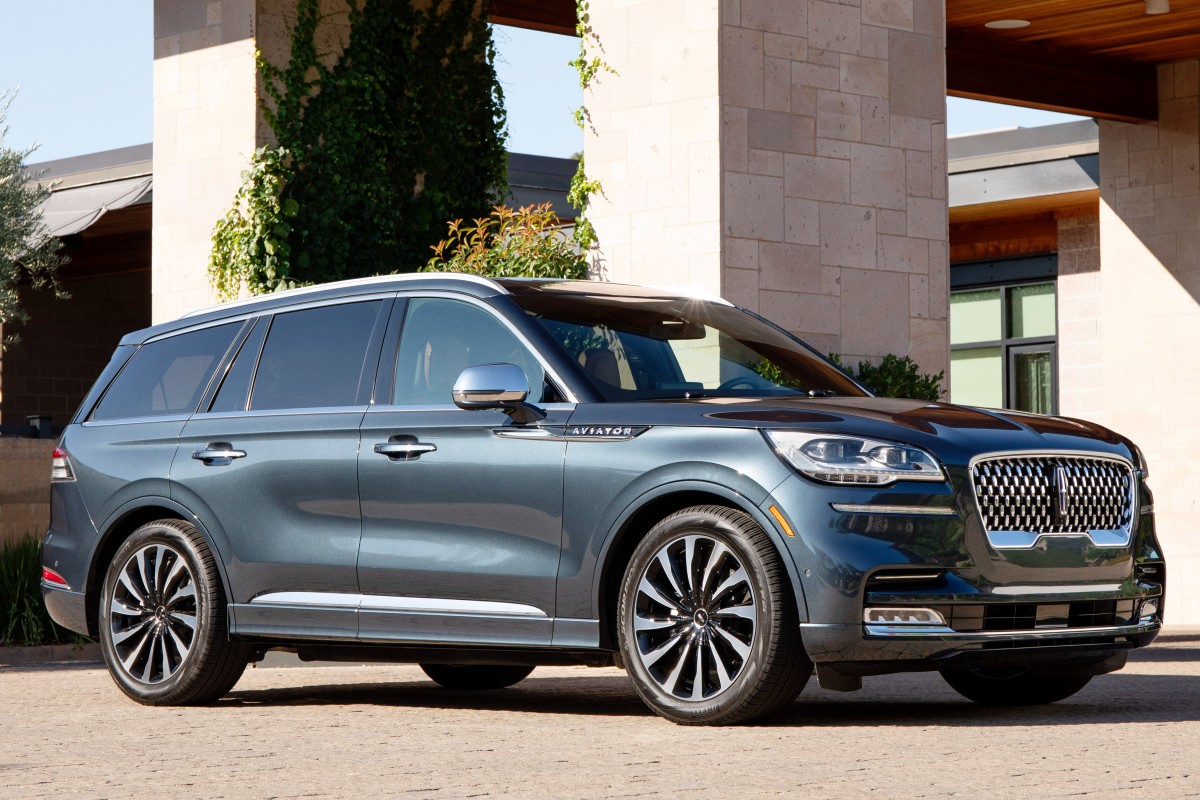
The 2025 Lincoln Aviator, built on a rear-wheel-drive platform shared with the Ford Explorer, showcased classic design proportions. It featured a blunt nose, short front overhang, and an appealing dash-to-axle ratio, complemented by a tapered roofline that, while compromising third-row passenger room, created an alluring silhouette. The design leaned more towards a sports wagon than a traditional SUV, though the 2025 styling updates were perceived as less elegant and more generic, especially with the optional Jet Appearance Package. Inside, the Aviator offered a plush interior with a classic architectural sensibility, avoiding the screen-heavy approach of other Lincoln models. However, the remote keyless entry fob was criticized for its cheap plastic construction, though this might encourage the use of the Aviator’s Phone as a Key technology.
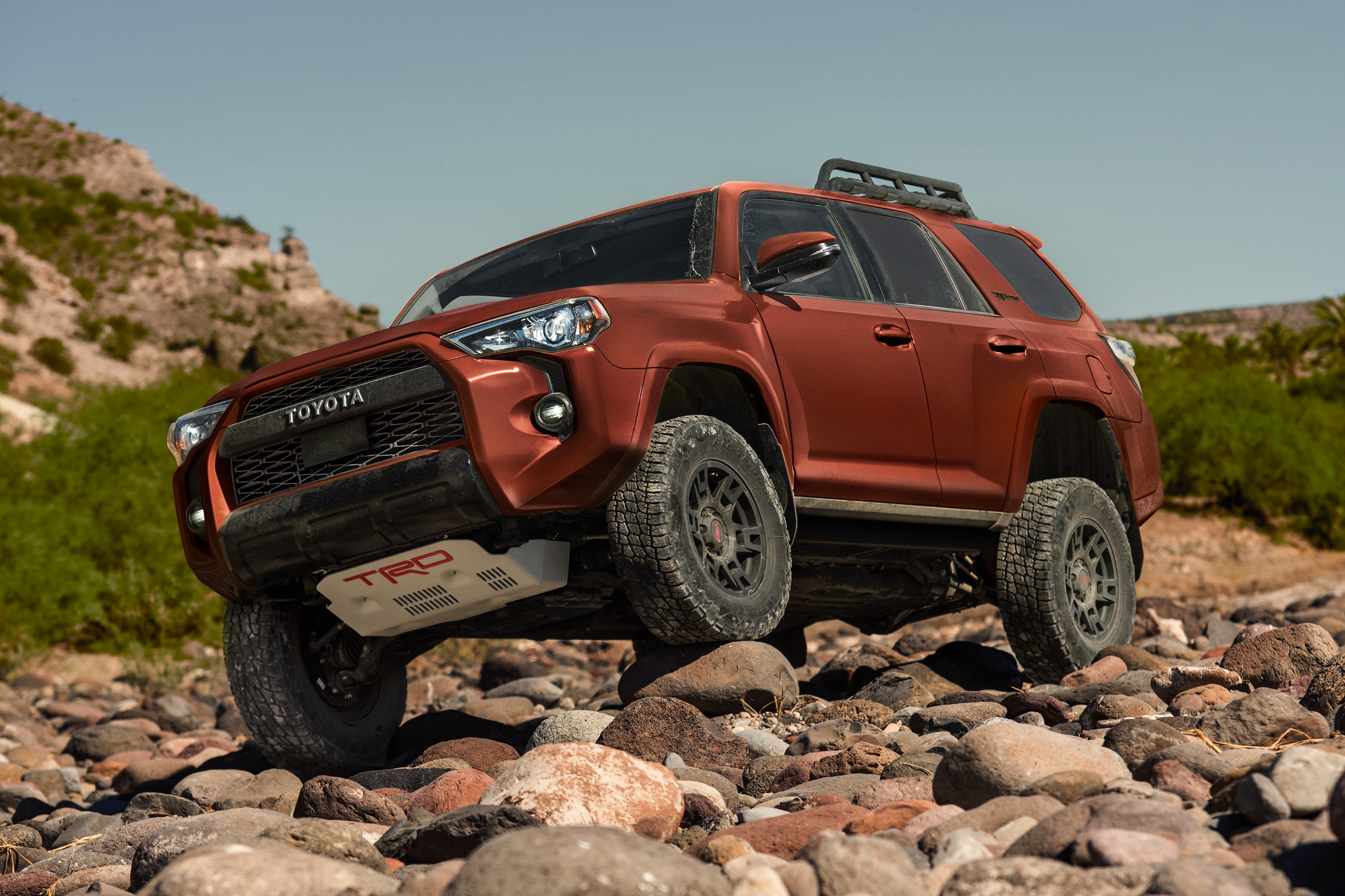
In contrast, the 2025 Toyota 4Runner represented a significant evolution rather than a complete redesign. It retained the horseshoe-shaped grilles of its predecessor but with a bulkier, more industrial personality. The side body panels featured deep beveled creases, giving the 4Runner a broad-shouldered stance suitable for an off-road SUV. The design paid homage to previous generations, with features like the slanted rearmost window reminiscent of the first-gen 4Runner. Inside, the cabin echoed the beveled styling motif, offering a purposeful yet comfortable environment. While hard plastics were abundant, they were strategically placed to endure the rigors of off-road adventures. The materials quality was superior to that of a Jeep Wrangler or Ford Bronco, though not quite at the level of a Land Rover Defender.
The 2025 Lincoln Aviator was powered by a twin-turbocharged 3.0-liter V6 engine, delivering 400 horsepower and 415 lb-ft of torque through a 10-speed automatic transmission. This powertrain provided robust acceleration, though fuel economy was a concern, with an observed 17.7 mpg compared to the EPA's 20 mpg estimate. The Aviator offered various driving modes, including Excite, Conserve, Normal, Slippery, and Deep Conditions, with adaptive air suspension enhancing the ride in Excite mode. Despite its power, the Aviator was not particularly thrilling to drive, focusing instead on providing a composed and calming cruising experience. The SUV's adaptive Air Glide suspension effectively managed body motions and roll, ensuring a secure ride. However, the 22-inch wheels and thin tires contributed to road noise and a less forgiving ride over rough surfaces.
The 2025 Toyota 4Runner offered two engine options: a 2.4-liter turbocharged four-cylinder producing 317 horsepower and 278 lb-ft of torque, and a more potent i-Force Max Hybrid powertrain with a combined output of 326 horsepower and 465 lb-ft of torque. The hybrid variant, while not a typical fuel-sipping hybrid, provided stronger power at lower speeds, advantageous for off-roading. The standard engine, though less powerful, still offered decent acceleration. The new 4Runner was quieter inside, reducing driver fatigue on long journeys. It was more composed on pavement than its predecessor, with improved handling and reduced body roll. The 4Runner's off-road prowess remained intact, with nine distinct trims offering varying levels of capability. The TRD Pro and Trailhunter models were particularly impressive, though the Trailhunter's snorkel added wind noise on road trips.
The 2025 Lincoln Aviator offered exceptional comfort with its Perfect Position front seats, featuring 30-way adjustability, heating, ventilation, and massage functions. The second-row captain’s chairs, while less adjustable, were roomy and supportive, with heating and ventilation. However, the third-row seats were less accommodating, with low, flat cushions and limited legroom. Storage space was excellent, with a smartphone charging pad, cupholders, and a sizable bin in the center console. The Aviator provided 19.2 cubic feet of cargo space behind the third row, expanding to 42.7 cubic feet with the seats folded, and a maximum of 78.6 cubic feet.
The 2025 Toyota 4Runner, measuring five inches longer than its predecessor, offered minimal gains in passenger space. The front seats accommodated taller passengers, but the middle row provided only adequate legroom. Third-row seating was available on non-hybrid models but was cramped and lacked thigh support. The cockpit was well-organized, with oversized climate control knobs and grouped off-road controls for easy operation. Storage included slatted door pockets, a dashboard tray, and a center armrest bin. Cargo capacity was slightly reduced, with 44.8 cubic feet behind the second row, and 42.6 cubic feet in the hybrid due to the raised floor. A sturdy roof rack compensated for any cargo deficits.
The 2025 Lincoln Aviator featured a 12.4-inch digital instrument cluster and a 13.2-inch touchscreen infotainment system powered by Lincoln Digital Experience. It supported Google Built-in, Alexa Built-in, wireless Apple CarPlay, and Android Auto. However, the Google Assistant was unresponsive in the test vehicle, though Apple CarPlay and Siri worked well. The Aviator also offered an app called Elevated Journey, providing mindfulness coaching for the road. The 28-speaker Revel Ultima 3D sound system delivered excellent audio quality, and the head-up display provided comprehensive data, including blind-spot warnings.
The 2025 Toyota 4Runner came with an 8-inch infotainment touchscreen, with a 14-inch version available. Both supported wireless Apple CarPlay and Android Auto, and a wireless charging pad was offered. Off-road models featured external camera views and automatic activation for easier navigation. A 14-speaker JBL premium audio system was available, along with a portable Bluetooth speaker. Remote monitoring and control via a smartphone app, and a digital key function, marked significant tech advancements for the 4Runner.
The 2025 Lincoln Aviator came standard with Lincoln Co-Pilot360 Drive 2.0, offering advanced driver assistance systems like active blind-spot monitoring, intersection assist, and evasive steering assist. The reverse braking assist system was overly sensitive, but adaptive cruise control and lane-centering assist worked well. BlueCruise, a hands-free driving assistance system, was also standard, providing proactive control handover. The Aviator earned five-star ratings from the NHTSA and Good ratings from the IIHS.
The 2025 Toyota 4Runner had not yet been crash-tested by the NHTSA or IIHS, but the Tacoma, on which it is based, was a Top Safety Pick. The 4Runner included Toyota Safety Sense 3.0, with features like frontal collision warning, lane-keep assist, and adaptive cruise control. The Proactive Driving Assist feature was intrusive but could be disabled. A blind-spot monitor with rear cross-traffic alerts was optional.
CarGurus highlights
According to CarGurus experts, the overall rating for the 2025 Lincoln Aviator is 7.8 out of 10, while the 2025 Toyota 4Runner scores 7.7 out of 10. Based on these ratings, the Lincoln Aviator is recommended for those seeking a luxury SUV with advanced comfort and safety features, while the Toyota 4Runner is ideal for off-road enthusiasts who value rugged capability and practical technology.
Choose the 2025 Lincoln Aviator if:
- You prioritize luxury and comfort with advanced seating options and a plush interior.
- You value a comprehensive suite of safety features, including BlueCruise for hands-free driving.
- You prefer a quieter, more composed ride with a focus on cruising comfort.




Choose the 2025 Toyota 4Runner if:
- You need a rugged SUV with excellent off-road capabilities and multiple trim options.
- You appreciate practical interior features designed for ease of use in outdoor conditions.
- You want a vehicle with advanced technology for off-road navigation and connectivity.


CarGurus highlights
According to CarGurus experts, the overall rating for the 2025 Lincoln Aviator is 7.8 out of 10, while the 2025 Toyota 4Runner scores 7.7 out of 10. Based on these ratings, the Lincoln Aviator is recommended for those seeking a luxury SUV with advanced comfort and safety features, while the Toyota 4Runner is ideal for off-road enthusiasts who value rugged capability and practical technology.
Choose the 2025 Lincoln Aviator if:
Shop Now- You prioritize luxury and comfort with advanced seating options and a plush interior.
- You value a comprehensive suite of safety features, including BlueCruise for hands-free driving.
- You prefer a quieter, more composed ride with a focus on cruising comfort.
Choose the 2025 Toyota 4Runner if:
Shop Now- You need a rugged SUV with excellent off-road capabilities and multiple trim options.
- You appreciate practical interior features designed for ease of use in outdoor conditions.
- You want a vehicle with advanced technology for off-road navigation and connectivity.

By: CarGurus + AI
At CarGurus, our team of experienced automotive writers remain at the heart of our content operation, conducting hands-on car tests and writing insightful guides that are backed by years of industry experience. To complement this, we are harnessing AI to make our content offering more diverse and more helpful to shoppers than ever. To achieve this, our AI systems are based exclusively on CarGurus content, ratings and data, so that what we produce is both unique to CarGurus, and uniquely helpful to car shoppers.

