2025 Hyundai Kona vs 2025 Toyota Sienna
Overview | |
MSRP$24,550 | MSRP$39,485 |
Listings1498 | Listings1345 |
Ratings & Reviews | |
User Reviews | User Reviews |
Expert reviews8.0 out of 10 | Expert reviews6.3 out of 10 |
Pros
Cons
| Pros
Cons
|
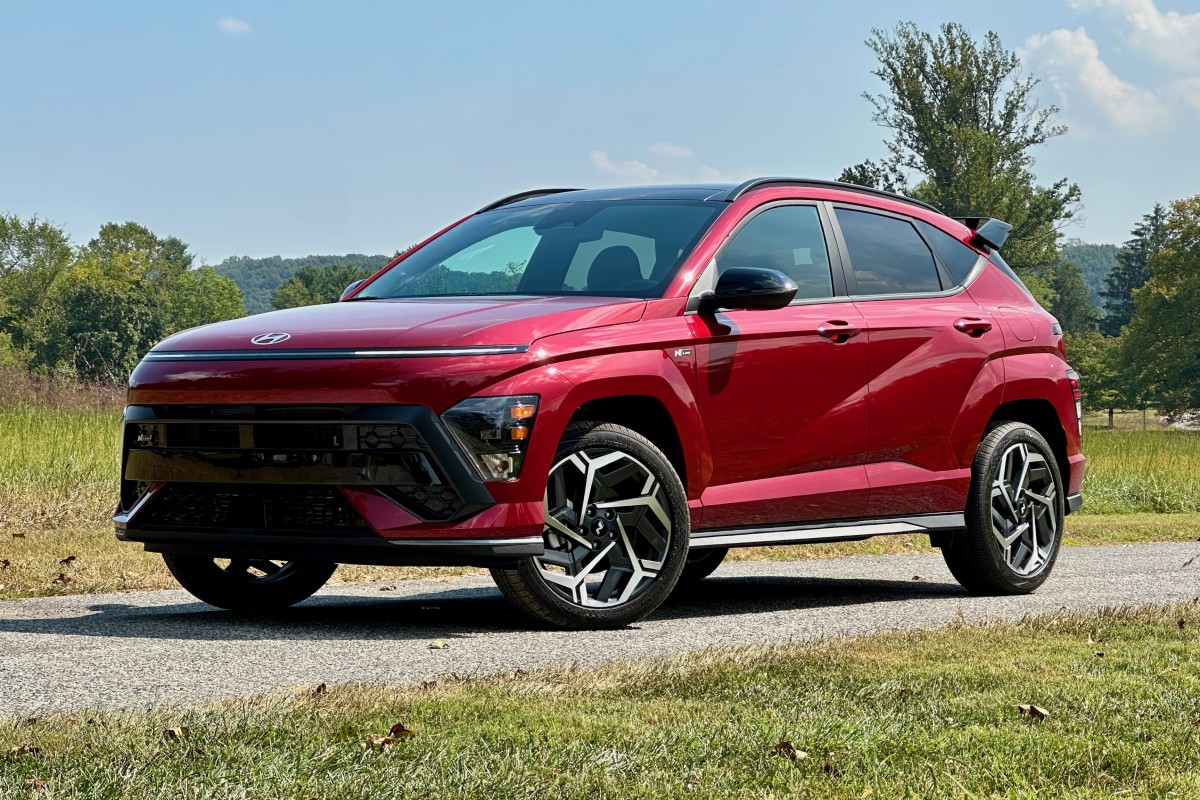
2025 Hyundai Kona Reviews SummaryThat there are no major changes beyond a couple of new trim levels for the 2025 Hyundai Kona is neither a surprise nor a bad thing. Not a surprise because this second-generation model only made its debut one year ago, making it too soon to expect any major updates. And not a bad thing because, frankly, this second-generation Kona was already a great subcompact SUV. Time does not stand still, however, particularly when it comes to crossovers, so it’s time to find out how the Kona performs one year on, and whether it continues to deliver value in an increasingly busy part of the market. | |
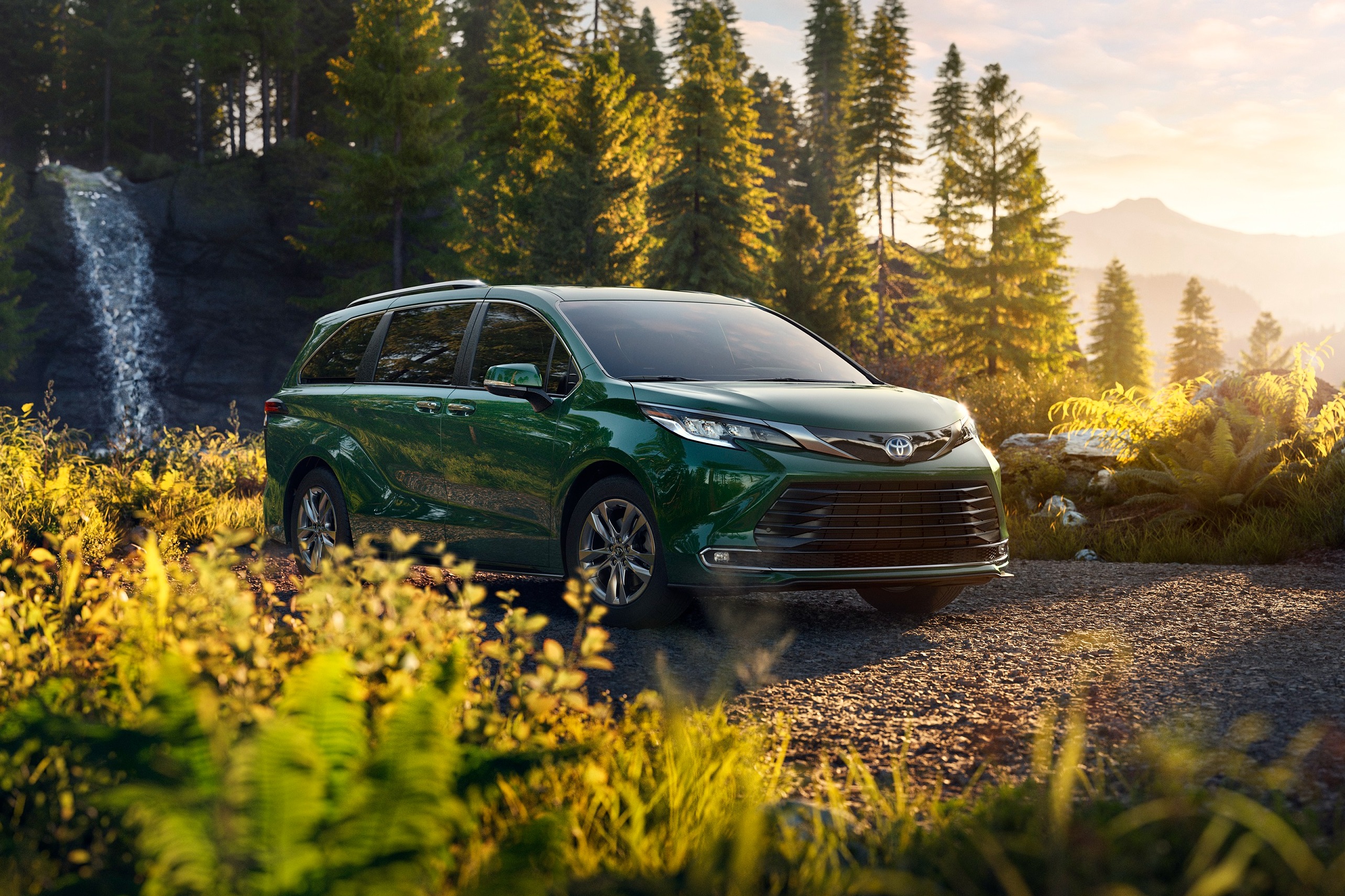
2025 Toyota Sienna Reviews SummaryIn addition to promising 35 to 36 mpg in combined driving, the 2025 Sienna distinguishes itself in several ways. First, it offers an available all-wheel-drive system for extra traction. Second, a Woodland Edition trim level provides half an inch of extra ground clearance for light off-roading capability. Third, while its maximum cargo capacity measurement falls short of rivals, you never need to remove the second-row seats to use it. Verdict: Saving money on gas, making life simpler, and the option of AWD ruggedness are all good things in a minivan, and they make the Toyota Sienna worth considering if you’re also looking at cars such as the Chrysler Pacifica, Honda Odyssey, and Kia Carnival. | |
No video found | |
Popular Features & Specs | |
Engine2.0L 147 hp I4 | Engine2.5L 245 hp I4 Hybrid |
DrivetrainFWD | DrivetrainFWD |
Seating Capacity5 | Seating Capacity8 |
Horsepower147 hp @ 6200 rpm | Horsepower |
EV Battery Capacity | EV Battery Capacity1.9 kWh |
MPG City28 | MPG City36 |
MPG Highway35 | MPG Highway36 |
Engine | |
Engine Name2.0L 147 hp I4 | Engine Name2.5L 245 hp I4 Hybrid |
Torque132 lb-ft @ 4500 rpm | Torque |
Horsepower147 hp @ 6200 rpm | Horsepower |
DrivetrainFWD | DrivetrainFWD |
Fuel Economy | |
EV Battery Capacity | EV Battery Capacity1.9 kWh |
MPG City28 | MPG City36 |
MPG Highway35 | MPG Highway36 |
Interior | |
Seating Capacity5 | Seating Capacity8 |
Key Features | |
Navigation SystemStandard | Navigation System |
Safety | |
Front Crash Overall4 | Front Crash Overall4 |
Side Crash Overall5 | Side Crash Overall5 |
Dimensions & Capacity | |
Cargo Space25.5 cu ft | Cargo Space33.5 cu ft |
Curb Weight3005 lbs | Curb Weight4610 lbs |
Height62.2 in | Height68.5 in |
Length171.3 in | Length203.7 in |
Width71.9 in | Width78.5 in |
Wheelbase104.7 in | Wheelbase120.5 in |
Maximum Payload1085 lbs | Maximum Payload1560 lbs |
Number of doors4 | Number of doors4 |
Maximum Towing Capacity | Maximum Towing Capacity3500 lbs |
Overview | ||
MSRP | $24,550 | $39,485 |
Listings | ||
Ratings & Reviews | ||
User reviews | ||
Expert reviews | 8.0 out of 10Read full review | 6.3 out of 10Read full review |
Pros & cons | Pros
Cons
| Pros
Cons
|
Summary | That there are no major changes beyond a couple of new trim levels for the 2025 Hyundai Kona is neither a surprise nor a bad thing. Not a surprise because this second-generation model only made its debut one year ago, making it too soon to expect any major updates. And not a bad thing because, frankly, this second-generation Kona was already a great subcompact SUV. Time does not stand still, however, particularly when it comes to crossovers, so it’s time to find out how the Kona performs one year on, and whether it continues to deliver value in an increasingly busy part of the market. | In addition to promising 35 to 36 mpg in combined driving, the 2025 Sienna distinguishes itself in several ways. First, it offers an available all-wheel-drive system for extra traction. Second, a Woodland Edition trim level provides half an inch of extra ground clearance for light off-roading capability. Third, while its maximum cargo capacity measurement falls short of rivals, you never need to remove the second-row seats to use it. Verdict: Saving money on gas, making life simpler, and the option of AWD ruggedness are all good things in a minivan, and they make the Toyota Sienna worth considering if you’re also looking at cars such as the Chrysler Pacifica, Honda Odyssey, and Kia Carnival. |
Video | No video found | |
Popular Features & Specs | ||
Engine | 2.0L 147 hp I4 | 2.5L 245 hp I4 Hybrid |
Drivetrain | FWD | FWD |
Seating Capacity | 5 | 8 |
Horsepower | 147 hp @ 6200 rpm | |
EV Battery Capacity | 1.9 kWh | |
MPG City | 28 | 36 |
MPG Highway | 35 | 36 |
Engine | ||
Engine Name | 2.0L 147 hp I4 | 2.5L 245 hp I4 Hybrid |
Torque | 132 lb-ft @ 4500 rpm | |
Horsepower | 147 hp @ 6200 rpm | |
Drivetrain | FWD | FWD |
Fuel Economy | ||
EV Battery Capacity | 1.9 kWh | |
MPG City | 28 | 36 |
MPG Highway | 35 | 36 |
Interior | ||
Seating Capacity | 5 | 8 |
Key Features | ||
Navigation System | Standard | |
Safety | ||
Front Crash Overall | 4 | 4 |
Side Crash Overall | 5 | 5 |
Dimensions & Capacity | ||
Cargo Space | 25.5 cu ft | 33.5 cu ft |
Curb Weight | 3005 lbs | 4610 lbs |
Height | 62.2 in | 68.5 in |
Length | 171.3 in | 203.7 in |
Width | 71.9 in | 78.5 in |
Wheelbase | 104.7 in | 120.5 in |
Maximum Payload | 1085 lbs | 1560 lbs |
Number of doors | 4 | 4 |
Maximum Towing Capacity | 3500 lbs | |
The 2025 Hyundai Kona retained its distinctive appearance from the previous year, maintaining a fresh and futuristic look that set it apart in the crossover class. Its design featured a largely flush, single-piece grille and ultra-slim LED light bars, giving even the gas-powered models a modern aesthetic. The Kona's design, with its curves, bulges, and sharp angles, created a satisfactory visual appeal, despite not being classically handsome. The 2025 model was notably larger, approximately six inches longer than its predecessor, enhancing both interior space and road presence. The new N Line S trim, along with the N Line, offered a sportier design with body-colored bumpers and cladding, while other trims like SE, SEL, SEL Convenience, and Limited added visual enhancements such as larger alloy wheels and rear privacy glass. The interior remained unchanged from 2024, providing a solid, airy feel with ample tech features. Notably, 64-color ambient interior lighting became standard on N Line, N Line S, and Limited trims.
The 2025 Toyota Sienna, while attempting to break away from the traditional minivan design, still resembled a minivan with its box-on-wheels shape. Toyota's efforts to add style included a trapezoidal grille and upswept body lines, but the Sienna's overall appearance remained utilitarian. The Platinum trim introduced new flower-petal wheel designs, but the Sienna's practicality was its main selling point. The test vehicle, a Platinum model in Magnetic Gray, showcased Toyota's attempt to update the interior with a new woodgrain finish, though opinions on its aesthetics varied. Despite its minivan appearance, the Sienna offered seating for up to eight and a range of trims, including LE, XLE, XSE, Limited, and Woodland Edition, with prices ranging from $40,980 to $57,940. The interior updates for 2025 aimed to enhance the Sienna's appeal, though some features, like the woodgrain finish, received mixed reviews.
The 2025 Hyundai Kona offered a choice between a fully electric drivetrain and two gas-powered options. The SE, SEL, and SEL Convenience trims featured a 2.0-liter naturally aspirated four-cylinder engine producing 147 horsepower and 132 lb-ft of torque, paired with Hyundai's Intelligent Variable Transmission (IVT). This setup prioritized fuel efficiency but lacked in performance excitement. For those seeking more power, the N Line S, N Line, and Limited trims came with a turbocharged 1.6-liter four-cylinder engine delivering 190 horsepower and 195 lb-ft of torque, coupled with an eight-speed automatic transmission. This turbo engine provided a broader torque band, enhancing performance, though it still felt somewhat flat at low revs. All-wheel drive (AWD) was available across the lineup for an additional $1,500, offering improved traction and a more sophisticated suspension setup. Despite these enhancements, the Kona's ride and handling focused on competence rather than thrilling driving experiences.
The 2025 Toyota Sienna featured a hybrid powertrain with a 2.5-liter four-cylinder engine and a continuously variable transmission (CVT). The hybrid system produced a net horsepower of 245, which, while not particularly high, was sufficient for the Sienna's seating capacity of up to eight and towing capability of 3,500 pounds. The electric assist motor provided immediate torque, preventing the Sienna from feeling sluggish. In city driving, the powertrain was unobtrusive, and on the highway, it remained quiet. However, hard acceleration revealed the CVT's droning sound. The Sienna's hybrid powertrain prioritized fuel economy, with an EPA rating of 36 mpg in combined driving for the FWD model. Despite its practicality, the Sienna's handling was not particularly engaging, with squishy steering and brakes that struggled during demanding situations. The XSE trim offered a sport-tuned suspension for a slightly more dynamic driving experience, but overall, the Sienna prioritized comfort and a smooth ride.
The 2025 Hyundai Kona offered a surprisingly spacious interior for its size, with 25.5 cubic feet of cargo capacity behind the rear seats, expanding to 63.7 cubic feet with the seats folded. This made it more accommodating than some larger vehicles. Rear legroom measured 38.2 inches, providing adequate space for most passengers. The front seats offered a generous range of movement, and the steering wheel was adjustable for reach and height. The interior featured excellent storage options, including a large compartment where the drive selector was relocated to a stalk on the steering column. Upholstery options varied by trim, with cloth on SE, SEL, and SEL Convenience, Alcantara sport seats on N Line S and N Line, and H-Tex leatherette on Limited. Heating and ventilation features progressed from basic air conditioning on SE to dual-zone automatic climate control on higher trims.
The 2025 Toyota Sienna excelled in form and function, offering power-adjustable, heated, and ventilated front seats wrapped in perforated leather. However, the cushions felt hard after extended driving. The Platinum trim's second-row captain's chairs with ottoman-style leg rests were popular with passengers, and the refrigerated compartment added convenience. The third-row seat accommodated adults comfortably, and the sliding side doors facilitated easy loading and unloading. Storage space was generous, with a wide tray under the center console, though finding secure spots for large water bottles was challenging. The Sienna provided 33.5 cubic feet of cargo space behind the third row, expanding to 75.2 cubic feet with the seats stowed. Maximum cargo capacity reached 101 cubic feet, less than some rivals due to the non-removable second-row seats. Toyota's research suggested most owners didn't maximize space by removing seats, but this limitation might deter those needing maximum load capacity.
The 2025 Hyundai Kona featured a 12.3-inch central touchscreen infotainment display across all trims, offering good graphics, clear menus, and wireless Android Auto and Apple CarPlay. SEL Convenience trim and above included wireless smartphone charging and Hyundai's digital key. The SE and SEL trims had a 4.2-inch color multi-information display, while higher trims boasted a 12.3-inch digital instrument cluster for enhanced customization. Audiophiles could upgrade to N Line or Limited trim for an eight-speaker Bose premium audio system, while lower trims had a six-speaker setup. Built-in navigation was available on SEL Convenience, N Line, and Limited trims, with smartphone pairing as an alternative. Hyundai's Bluelink connectivity enabled over-the-air software updates, ensuring features remained current.
The 2025 Toyota Sienna offered advanced technology, with higher-spec models featuring a 12.3-inch digital instrumentation panel and a 12.3-inch touchscreen for the Toyota Audio Multimedia (TAM) system. The Platinum trim included a four-zone automatic climate control system, a 10-inch head-up display (HUD), and a camera-based digital rearview mirror. An Entertainment Package added an 11.6-inch display, HDMI input, remote, and wireless headphones. The TAM system provided access to five connected services plans, with varying complimentary subscription periods. The digital assistant, part of the Drive Connect plan, responded accurately to commands. The Sienna Platinum featured a 12-speaker JBL premium audio system, though sound quality varied. The four-zone climate control system was appreciated, and the digital rearview camera offered zoom capabilities. The HUD provided useful information, though blind-spot warnings were not communicated.
The 2025 Hyundai Kona impressed with its comprehensive safety technology, equipping even base models with advanced features. Standard equipment included Forward Collision-Avoidance Assist with pedestrian and cyclist detection, Lane Keeping Assist, Lane Following Assist, Blind-Spot Collision Warning, and Safe Exit Warning. Higher trims added features like Highway Driving Assist and enhanced Forward Collision-Avoidance Assist. Limited trim offered parking assistance technologies, though they might not be essential for a subcompact vehicle. All Konas included six airbags, electronic stability control, and a tire pressure monitoring system. The Kona earned a Top Safety Pick+ rating from the Insurance Institute of Highway Safety (IIHS).
The 2025 Toyota Sienna featured Toyota Safety Sense (TSS) 2.0, an older technology set compared to TSS 3.0. TSS 2.0 included forward collision warning with automatic emergency braking, pedestrian detection, lane departure warning, lane-keeping assist, lane-centering assist, and adaptive cruise control. The Sienna also had automatic high-beam headlights, blind-spot monitoring, and rear cross-traffic alert. While the lane-centering assist performed well, the adaptive cruise control required vigilance in urban areas. The Sienna introduced a new rear-seat reminder system, alerting drivers to movement within the cabin. The National Highway Traffic Safety Administration (NHTSA) awarded the Sienna a five-star overall rating, though it received lower scores in frontal crash tests.
CarGurus highlights
According to CarGurus experts, the overall rating for the 2025 Hyundai Kona is 8.0 out of 10, while the 2025 Toyota Sienna scores 6.3 out of 10. Based on these ratings, the Hyundai Kona emerges as the recommended choice, offering a well-rounded package of safety, technology, and practicality.
Choose the 2025 Hyundai Kona if:
- You prioritize advanced safety features and a Top Safety Pick+ rating.
- You seek a compact crossover with a spacious interior and ample cargo capacity.
- You value modern technology, including a large touchscreen and wireless connectivity.


Choose the 2025 Toyota Sienna if:
- You need a minivan with seating for up to eight and practical cargo solutions.
- You appreciate advanced technology features, including a digital assistant and premium audio system.
- You prioritize comfort and a smooth ride for family trips.


CarGurus highlights
According to CarGurus experts, the overall rating for the 2025 Hyundai Kona is 8.0 out of 10, while the 2025 Toyota Sienna scores 6.3 out of 10. Based on these ratings, the Hyundai Kona emerges as the recommended choice, offering a well-rounded package of safety, technology, and practicality.
Choose the 2025 Hyundai Kona if:
Shop Now- You prioritize advanced safety features and a Top Safety Pick+ rating.
- You seek a compact crossover with a spacious interior and ample cargo capacity.
- You value modern technology, including a large touchscreen and wireless connectivity.
Choose the 2025 Toyota Sienna if:
Shop Now- You need a minivan with seating for up to eight and practical cargo solutions.
- You appreciate advanced technology features, including a digital assistant and premium audio system.
- You prioritize comfort and a smooth ride for family trips.

By: CarGurus + AI
At CarGurus, our team of experienced automotive writers remain at the heart of our content operation, conducting hands-on car tests and writing insightful guides that are backed by years of industry experience. To complement this, we are harnessing AI to make our content offering more diverse and more helpful to shoppers than ever. To achieve this, our AI systems are based exclusively on CarGurus content, ratings and data, so that what we produce is both unique to CarGurus, and uniquely helpful to car shoppers.

