2025 Hyundai Kona vs 2024 Volvo XC90
Overview | |
MSRP$56,600 | MSRP$24,550 |
Listings159 | Listings141 |
Ratings & Reviews | |
User Reviews | User Reviews |
Expert reviews7.2 out of 10 | Expert reviews8.0 out of 10 |
Pros
Cons
| Pros
Cons
|
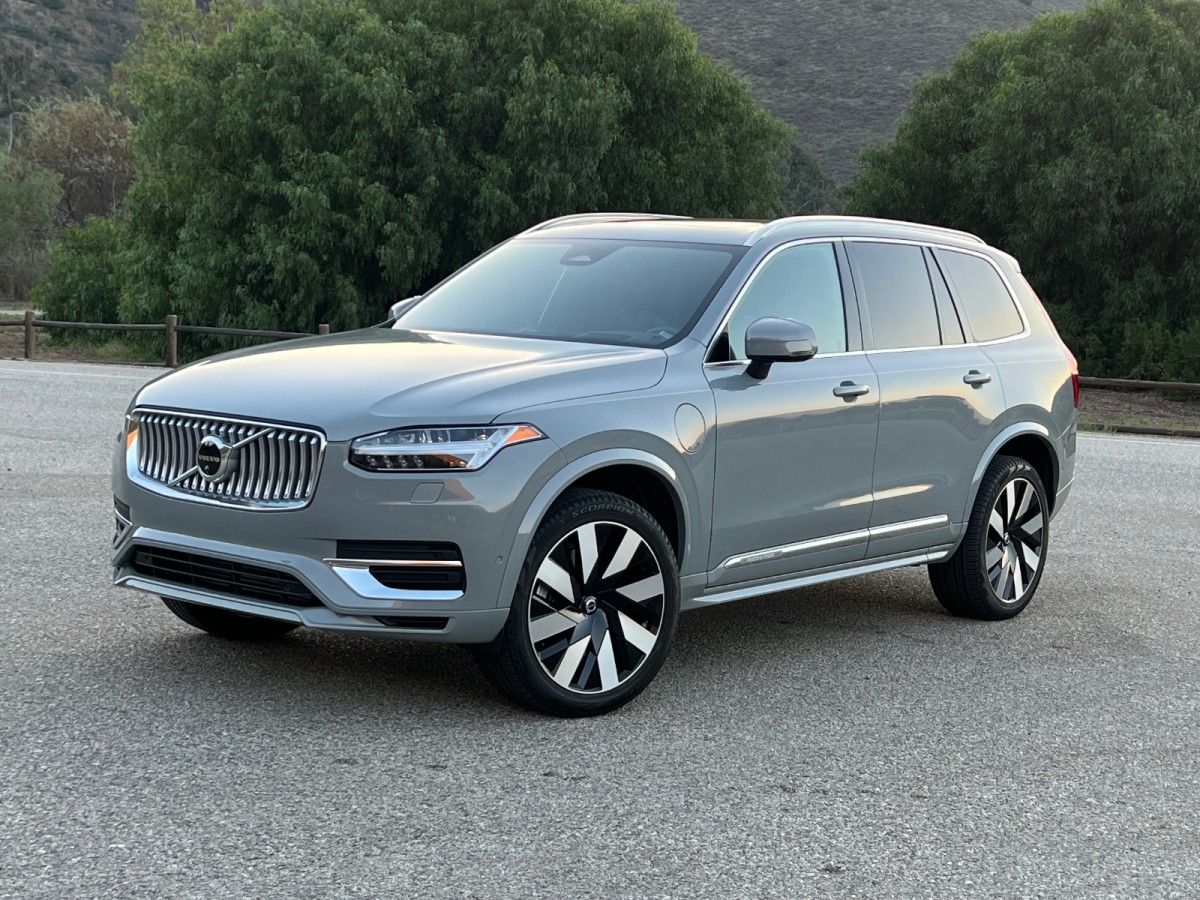
2024 Volvo XC90 Reviews SummaryWhen the current-generation XC90 went on sale nearly a decade ago, it marked the Swedish automaker’s pivot from its boxy and boring past to a future defined by design, quality, and technology. Volvo used the XC90’s blueprint throughout its lineup of cars, SUVs, and wagons, building a bridge to its electrified future. Has it overstayed its welcome? Perhaps, and it carries over this year without changes. But having spent a week driving the 2024 XC90 Recharge T8 plug-in hybrid, it remains an appealing choice in the luxury SUV segment. Verdict: Beautifully styled, inside and out, and offering a range of powertrains that includes a plug-in hybrid variant, the 2024 Volvo XC90 stands out in its field. However, it commands a steep price tag, and its safety tech isn’t as innovative as what you’ll find in some rival SUVs. | |
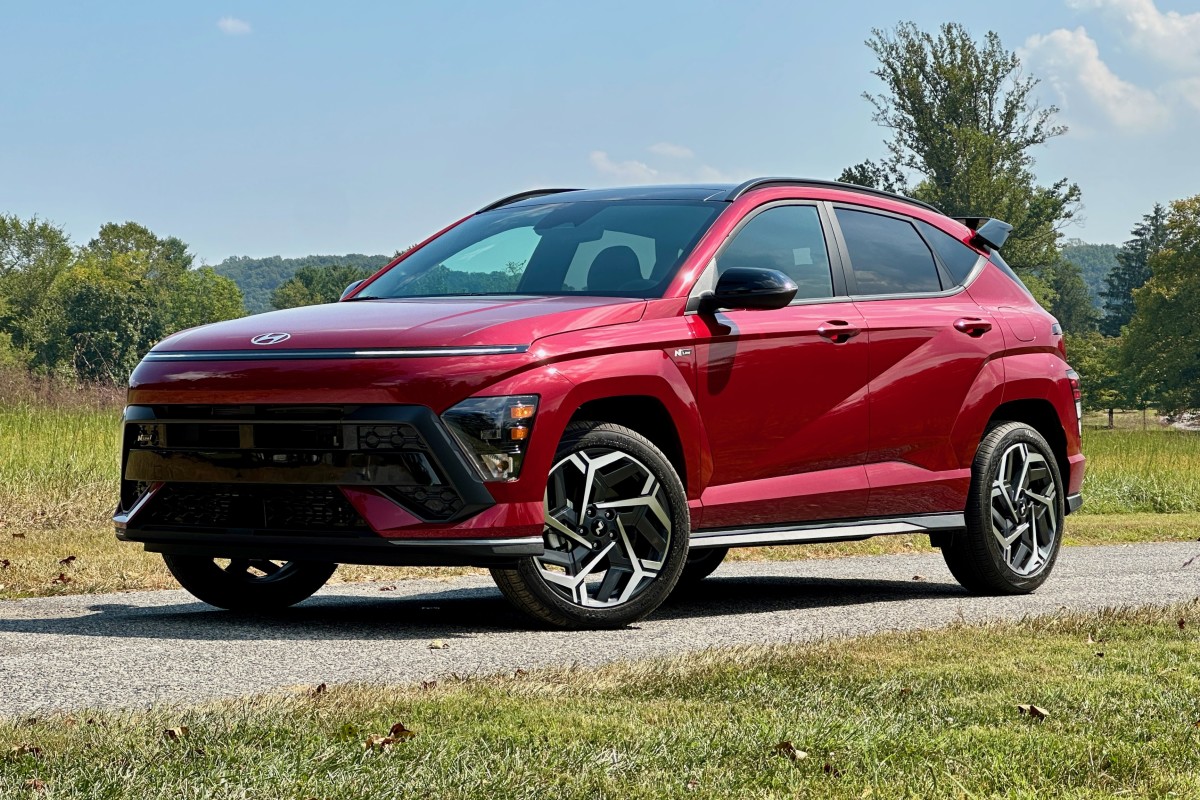
2025 Hyundai Kona Reviews SummaryThat there are no major changes beyond a couple of new trim levels for the 2025 Hyundai Kona is neither a surprise nor a bad thing. Not a surprise because this second-generation model only made its debut one year ago, making it too soon to expect any major updates. And not a bad thing because, frankly, this second-generation Kona was already a great subcompact SUV. Time does not stand still, however, particularly when it comes to crossovers, so it’s time to find out how the Kona performs one year on, and whether it continues to deliver value in an increasingly busy part of the market. | |
No video found | |
Popular Features & Specs | |
Engine2.0L 247 hp I4 | Engine |
Drive TrainAWD | Drive Train |
Seating Capacity7 | Seating Capacity5 |
Horsepower247 hp @ 5500 rpm | Horsepower |
MPG City22 | MPG City |
MPG Highway27 | MPG Highway |
Engine | |
Engine Name2.0L 247 hp I4 | Engine Name2.0L 147 hp I4 |
Torque258 lb-ft @ 1500 rpm | Torque132 lb-ft @ 4500 rpm |
Horsepower247 hp @ 5500 rpm | Horsepower147 hp @ 6200 rpm |
DrivetrainAWD | DrivetrainFWD |
Fuel Economy | |
MPG City22 | MPG City |
MPG Highway27 | MPG Highway |
Interior | |
Seating Capacity7 | Seating Capacity5 |
Key Features | |
Navigation SystemStandard | Navigation SystemStandard |
Sunroof/MoonroofStandard | Sunroof/Moonroof |
Safety | |
Front Crash Overall5 | Front Crash Overall4 |
Side Crash Overall5 | Side Crash Overall5 |
Dimensions & Capacity | |
Cargo Space10.7 cu ft | Cargo Space25.5 cu ft |
Curb Weight4589 lbs | Curb Weight3005 lbs |
Height69.9 in | Height62.2 in |
Length195.0 in | Length171.3 in |
Width84.3 in | Width71.9 in |
Wheelbase117.5 in | Wheelbase104.7 in |
Maximum Payload1210 lbs | Maximum Payload1085 lbs |
Number of doors4 | Number of doors4 |
Maximum Towing Capacity5000 lbs | Maximum Towing Capacity |
Overview | ||
MSRP | $56,600 | $24,550 |
Listings | ||
Ratings & Reviews | ||
User reviews | ||
Expert reviews | 7.2 out of 10Read full review | 8.0 out of 10Read full review |
Pros & cons | Pros
Cons
| Pros
Cons
|
Summary | When the current-generation XC90 went on sale nearly a decade ago, it marked the Swedish automaker’s pivot from its boxy and boring past to a future defined by design, quality, and technology. Volvo used the XC90’s blueprint throughout its lineup of cars, SUVs, and wagons, building a bridge to its electrified future. Has it overstayed its welcome? Perhaps, and it carries over this year without changes. But having spent a week driving the 2024 XC90 Recharge T8 plug-in hybrid, it remains an appealing choice in the luxury SUV segment. Verdict: Beautifully styled, inside and out, and offering a range of powertrains that includes a plug-in hybrid variant, the 2024 Volvo XC90 stands out in its field. However, it commands a steep price tag, and its safety tech isn’t as innovative as what you’ll find in some rival SUVs. | That there are no major changes beyond a couple of new trim levels for the 2025 Hyundai Kona is neither a surprise nor a bad thing. Not a surprise because this second-generation model only made its debut one year ago, making it too soon to expect any major updates. And not a bad thing because, frankly, this second-generation Kona was already a great subcompact SUV. Time does not stand still, however, particularly when it comes to crossovers, so it’s time to find out how the Kona performs one year on, and whether it continues to deliver value in an increasingly busy part of the market. |
Video | No video found | |
Popular Features & Specs | ||
Engine | 2.0L 247 hp I4 | |
Drive Train | AWD | |
Seating Capacity | 7 | 5 |
Horsepower | 247 hp @ 5500 rpm | |
MPG City | 22 | |
MPG Highway | 27 | |
Engine | ||
Engine Name | 2.0L 247 hp I4 | 2.0L 147 hp I4 |
Torque | 258 lb-ft @ 1500 rpm | 132 lb-ft @ 4500 rpm |
Horsepower | 247 hp @ 5500 rpm | 147 hp @ 6200 rpm |
Drivetrain | AWD | FWD |
Fuel Economy | ||
MPG City | 22 | |
MPG Highway | 27 | |
Interior | ||
Seating Capacity | 7 | 5 |
Key Features | ||
Navigation System | Standard | Standard |
Sunroof/Moonroof | Standard | |
Safety | ||
Front Crash Overall | 5 | 4 |
Side Crash Overall | 5 | 5 |
Dimensions & Capacity | ||
Cargo Space | 10.7 cu ft | 25.5 cu ft |
Curb Weight | 4589 lbs | 3005 lbs |
Height | 69.9 in | 62.2 in |
Length | 195.0 in | 171.3 in |
Width | 84.3 in | 71.9 in |
Wheelbase | 117.5 in | 104.7 in |
Maximum Payload | 1210 lbs | 1085 lbs |
Number of doors | 4 | 4 |
Maximum Towing Capacity | 5000 lbs | |
The 2024 Volvo XC90 was available in three model series: B5, B6, and Recharge T8. The B5 featured a turbocharged mild-hybrid four-cylinder engine, while the B6 added a supercharger for enhanced performance. The Recharge T8 was a plug-in hybrid, offering the most power and efficiency, with an estimated 32 miles of electric-only range. All models came standard with all-wheel drive. The XC90 was offered in Core, Plus, and Ultimate trim levels, with prices ranging from $56,000 to $79,600, excluding the destination charge. The Recharge T8 in Ultimate trim, tested with seven-passenger seating, included luxury features like massaging front seats, a premium headliner, and a high-end audio system, with an MSRP of $89,145. The XC90's exterior was characterized by a subdued and earthy color palette, with various wheel designs up to 21 inches, and a Bright theme contrasting with the blacked-out trend. Inside, the design was dated but featured rich materials, with options for wool-blend upholstery or ventilated Nappa leather, and a crystal shift knob adding a touch of class.
The 2025 Hyundai Kona, while visually unchanged from the 2024 model, maintained a fresh appearance with its futuristic design elements like a flush grille and ultra-slim LED light bars. The Kona was notably larger than its predecessor, offering more interior space and a more assertive road presence. The new N Line S and N Line trims featured sportier designs with body-colored bumpers and cladding. Other trims included SE, SEL, SEL Convenience, and Limited, each adding visual enhancements like larger alloy wheels and rear privacy glass. The interior remained unchanged from 2024, with a solid construction and ample tech features. The 2025 model introduced standard 64-color ambient lighting on higher trims. Sunroof and powered liftgate options were available on select trims, enhancing the Kona's appeal.


The 2024 Volvo XC90 Recharge T8 combined an 18.8-kilowatt-hour battery and a 107-kilowatt electric motor with a supercharged and turbocharged 2.0-liter four-cylinder engine, producing 455 horsepower and 523 lb-ft of torque. This power was delivered to all four wheels via an eight-speed automatic transmission. The Recharge T8 offered 32 miles of electric-only driving and averaged 27 mpg in hybrid mode. It could accelerate from 0 to 60 mph in five seconds. Charging the battery took about 12 hours with a standard outlet, or less than half that time with a 240-volt outlet. The XC90 featured multiple driving modes, including Pure, Power, Hybrid, and Off-Road, with up to 9.9 inches of ground clearance. However, the XC90's electric performance waned as the battery approached its minimum charge, and the gas engine would assist when necessary. The SUV's handling was not particularly thrilling, with a firm ride and more cabin noise than expected for its price. The steering lacked sharpness, and the brakes faded during prolonged use in hot conditions.
The 2025 Hyundai Kona offered two gas-powered engine options. The SE, SEL, and SEL Convenience trims featured a 2.0-liter naturally aspirated four-cylinder engine with 147 horsepower and 132 lb-ft of torque, paired with a Continuously Variable Transmission (CVT) for fuel efficiency. The N Line S, N Line, and Limited trims had a turbocharged 1.6-liter four-cylinder engine producing 190 horsepower and 195 lb-ft of torque, mated to an eight-speed automatic transmission. The turbo engine provided a broader torque band, though it felt flat at low revs. All-wheel drive was available across the lineup for an additional cost, offering active on-demand drive to the rear axle and a dedicated Snow mode. AWD models featured a multi-link rear suspension for improved ride and handling. The Kona prioritized competence over excitement in its driving dynamics.
The 2024 Volvo XC90 Recharge T8 was well-equipped even in Core trim, with features like power-adjustable and heated front seats, leather upholstery, wood trim, and a four-zone climate control system. The panoramic glass roof added natural light, and higher trims offered additional amenities like a heated steering wheel, ventilated front seats with massage, and upgraded interior lighting. The front seats had adjustable lower leg support bolsters, though they could catch on clothing when entering the vehicle. The XC90 seated seven, with a comfortable second-row bench and a tight but accommodating third row. Interior storage was adequate, and cargo capacity reached 85.7 cubic feet with the second and third rows folded.
The 2025 Hyundai Kona offered 25.5 cubic feet of cargo space with the rear seats up, expanding to 63.7 cubic feet when folded. The dual-level cargo floor added versatility. Rear legroom measured 38.2 inches, with 38.3 inches of headroom, providing comfort for most passengers. The front seats offered a generous range of movement, and the relocated drive selector created additional storage space. The Kona's interior featured various upholstery options, with heated and ventilated front seats available on higher trims. The climate control system ranged from basic single-zone air conditioning to dual-zone automatic climate control with rear vents.
The 2024 Volvo XC90 featured a 9-inch touchscreen infotainment system with Google Built-in technology, offering Google Maps, Google Play, and Google Assistant. These features were complimentary for four years, with subscription payments required afterward. Apple CarPlay and SiriusXM satellite radio were standard, with premium audio options available. The infotainment system was intuitive, though the digital instrumentation panel was less so. A head-up display and surround-view camera were optional.
The 2025 Hyundai Kona came with a 12.3-inch central touchscreen infotainment display, offering wireless Android Auto and Apple CarPlay. Higher trims included wireless smartphone charging and Hyundai's digital key. The digital instrument cluster was available on SEL Convenience trim and above, providing customization options. The Kona offered a Bose premium audio system on higher trims, with SiriusXM and HD Radio standard across the lineup. Hyundai's Bluelink connectivity allowed for over-the-air software updates.
The 2024 Volvo XC90 was known for its safety, with a five-star NHTSA rating in most assessments and a Top Safety Pick+ designation from the IIHS in 2023. However, its advanced driving assistance systems (ADAS) were not as innovative as some rivals. The XC90 included Pilot Assist, which combined adaptive cruise control with lane-centering assist, though it struggled in certain conditions and made a significant error during testing.
The 2025 Hyundai Kona impressed with its standard safety features, including Forward Collision-Avoidance Assist, Lane Keeping Assist, and Blind-Spot Collision Warning. Higher trims added features like Highway Driving Assist and enhanced Forward Collision-Avoidance Assist. The Kona included six airbags, electronic stability control, and a tire pressure monitoring system. It was named a Top Safety Pick+ by the IIHS.
CarGurus highlights
According to CarGurus experts, the overall rating for the 2024 Volvo XC90 is 7.2 out of 10, while the 2025 Hyundai Kona scores 8.0 out of 10. Based on these ratings, the 2025 Hyundai Kona is the recommended choice, offering a better balance of value, technology, and safety features.
Choose the 2025 Hyundai Kona if:
- You seek a compact crossover with a modern design and ample interior space.
- You want a vehicle with a comprehensive suite of standard safety features.
- You prefer a more affordable option with advanced technology and connectivity.


Choose the 2024 Volvo XC90 if:
- You prioritize a luxury SUV with a focus on comfort and premium materials.
- You desire a plug-in hybrid with a significant electric-only range.
- You value Volvo's reputation for safety and crash-test ratings.


CarGurus highlights
According to CarGurus experts, the overall rating for the 2024 Volvo XC90 is 7.2 out of 10, while the 2025 Hyundai Kona scores 8.0 out of 10. Based on these ratings, the 2025 Hyundai Kona is the recommended choice, offering a better balance of value, technology, and safety features.
Choose the 2025 Hyundai Kona if:
Shop Now- You seek a compact crossover with a modern design and ample interior space.
- You want a vehicle with a comprehensive suite of standard safety features.
- You prefer a more affordable option with advanced technology and connectivity.
Choose the 2024 Volvo XC90 if:
Shop Now- You prioritize a luxury SUV with a focus on comfort and premium materials.
- You desire a plug-in hybrid with a significant electric-only range.
- You value Volvo's reputation for safety and crash-test ratings.

By: CarGurus + AI
At CarGurus, our team of experienced automotive writers remain at the heart of our content operation, conducting hands-on car tests and writing insightful guides that are backed by years of industry experience. To complement this, we are harnessing AI to make our content offering more diverse and more helpful to shoppers than ever. To achieve this, our AI systems are based exclusively on CarGurus content, ratings and data, so that what we produce is both unique to CarGurus, and uniquely helpful to car shoppers.

