2025 Hyundai Kona vs 2024 Chevrolet Blazer EV

Overview | |
MSRP$48,800 | MSRP$24,550 |
Listings138 | Listings138 |
Ratings & Reviews | |
User Reviews | User Reviews |
Expert reviews6.3 out of 10 | Expert reviews8.0 out of 10 |
Pros
Cons
| Pros
Cons
|
2024 Chevrolet Blazer EV Reviews SummaryIt may share a name with the gasoline-powered Blazer crossover SUV, but the Chevy Blazer EV is in fact a new vehicle based on the General Motors Ultium electric vehicle (EV) component set. It’s Chevy’s belated answer to the crosstown rival Ford Mustang Mach-E and other electric SUVs like the Hyundai Ioniq 5, the Kia EV6, and the Tesla Model Y. Verdict: The Blazer EV offers unique style and impressive technology, but it doesn’t really move the needle when it comes to range, fast charging, or interior packaging. It’s also priced at the higher end of the segment in its launch form. | |
2025 Hyundai Kona Reviews SummaryThat there are no major changes beyond a couple of new trim levels for the 2025 Hyundai Kona is neither a surprise nor a bad thing. Not a surprise because this second-generation model only made its debut one year ago, making it too soon to expect any major updates. And not a bad thing because, frankly, this second-generation Kona was already a great subcompact SUV. Time does not stand still, however, particularly when it comes to crossovers, so it’s time to find out how the Kona performs one year on, and whether it continues to deliver value in an increasingly busy part of the market. | |
No video found | |
Popular Features & Specs | |
Engine288 hp Electric | Engine |
Drive TrainAWD | Drive Train |
Seating Capacity5 | Seating Capacity5 |
EV Battery Capacity85 kWh | EV Battery Capacity |
MPG City103 | MPG City |
MPG Highway88 | MPG Highway |
Engine | |
Engine Name288 hp Electric | Engine Name2.0L 147 hp I4 |
Torque | Torque132 lb-ft @ 4500 rpm |
Horsepower | Horsepower147 hp @ 6200 rpm |
DrivetrainAWD | DrivetrainFWD |
Fuel Economy | |
EV Battery Capacity85 kWh | EV Battery Capacity |
MPG City103 | MPG City |
MPG Highway88 | MPG Highway |
Interior | |
Seating Capacity5 | Seating Capacity5 |
Key Features | |
Navigation SystemStandard | Navigation SystemStandard |
Safety | |
Front Crash Overall5 | Front Crash Overall4 |
Side Crash Overall5 | Side Crash Overall5 |
Dimensions & Capacity | |
Cargo Space25.5 cu ft | Cargo Space25.5 cu ft |
Curb Weight5337 lbs | Curb Weight3005 lbs |
Height65.0 in | Height62.2 in |
Length192.2 in | Length171.3 in |
Width86.5 in | Width71.9 in |
Wheelbase121.8 in | Wheelbase104.7 in |
Maximum Payload1167 lbs | Maximum Payload1085 lbs |
Number of doors4 | Number of doors4 |
Maximum Towing Capacity1500 lbs | Maximum Towing Capacity |
Overview | ||
MSRP | $48,800 | $24,550 |
Listings | ||
Ratings & Reviews | ||
User reviews | ||
Expert reviews | 6.3 out of 10Read full review | 8.0 out of 10Read full review |
Pros & cons | Pros
Cons
| Pros
Cons
|
Summary | It may share a name with the gasoline-powered Blazer crossover SUV, but the Chevy Blazer EV is in fact a new vehicle based on the General Motors Ultium electric vehicle (EV) component set. It’s Chevy’s belated answer to the crosstown rival Ford Mustang Mach-E and other electric SUVs like the Hyundai Ioniq 5, the Kia EV6, and the Tesla Model Y. Verdict: The Blazer EV offers unique style and impressive technology, but it doesn’t really move the needle when it comes to range, fast charging, or interior packaging. It’s also priced at the higher end of the segment in its launch form. | That there are no major changes beyond a couple of new trim levels for the 2025 Hyundai Kona is neither a surprise nor a bad thing. Not a surprise because this second-generation model only made its debut one year ago, making it too soon to expect any major updates. And not a bad thing because, frankly, this second-generation Kona was already a great subcompact SUV. Time does not stand still, however, particularly when it comes to crossovers, so it’s time to find out how the Kona performs one year on, and whether it continues to deliver value in an increasingly busy part of the market. |
Video | No video found | |
Popular Features & Specs | ||
Engine | 288 hp Electric | |
Drive Train | AWD | |
Seating Capacity | 5 | 5 |
EV Battery Capacity | 85 kWh | |
MPG City | 103 | |
MPG Highway | 88 | |
Engine | ||
Engine Name | 288 hp Electric | 2.0L 147 hp I4 |
Torque | 132 lb-ft @ 4500 rpm | |
Horsepower | 147 hp @ 6200 rpm | |
Drivetrain | AWD | FWD |
Fuel Economy | ||
EV Battery Capacity | 85 kWh | |
MPG City | 103 | |
MPG Highway | 88 | |
Interior | ||
Seating Capacity | 5 | 5 |
Key Features | ||
Navigation System | Standard | Standard |
Safety | ||
Front Crash Overall | 5 | 4 |
Side Crash Overall | 5 | 5 |
Dimensions & Capacity | ||
Cargo Space | 25.5 cu ft | 25.5 cu ft |
Curb Weight | 5337 lbs | 3005 lbs |
Height | 65.0 in | 62.2 in |
Length | 192.2 in | 171.3 in |
Width | 86.5 in | 71.9 in |
Wheelbase | 121.8 in | 104.7 in |
Maximum Payload | 1167 lbs | 1085 lbs |
Number of doors | 4 | 4 |
Maximum Towing Capacity | 1500 lbs | |
The 2024 Chevrolet Blazer EV represented a significant evolution for the Blazer nameplate, transitioning from its truck-based off-roader origins to a modern, car-based crossover. This electric version borrowed styling cues from its gasoline counterpart but was built on a new EV-specific platform. The Blazer EV's design was characterized by a tall hood, a reimagined front end, and boomerang-shaped taillights, giving it a more aggressive look compared to other electric SUVs like the Ford Mustang Mach-E and Kia EV6. The Blazer EV was notably larger, being about 7 inches longer and 4 inches wider than its rivals, and launched in LT and RS trims, each with distinct styling elements. The interior of the RS and SS models featured large round air vents and a flat-bottom steering wheel, with optional red leather upholstery adding a playful touch. While some interior components felt flimsy, the Blazer EV mostly avoided the overuse of piano-black plastic seen in other brands.
The 2025 Hyundai Kona, while visually unchanged from the 2024 model, maintained a fresh appearance that stood out in the crossover class. Its design featured a largely flush, single-piece grille and ultra-slim LED light bars, giving even the gas-powered models a futuristic look. The Kona's increased size, being around six inches longer than its predecessor, improved interior space and road presence. The new N Line S and N Line trims offered sportier design elements, including body-colored bumpers and cladding. The Kona's interior remained unchanged from 2024, with a solid construction and ample tech features. Notably, 64-color ambient interior lighting became standard on higher trims. The Kona offered a range of trims, each adding more visual appeal and features, with the Limited trim providing the most luxurious options, including heated and ventilated front seats and a heated steering wheel.


The 2024 Chevrolet Blazer EV offered a range of powertrain options, including a single-motor rear-wheel drive (RWD) and a dual-motor all-wheel drive (AWD) in the LT and RS trims. The RWD models delivered 340 horsepower and 325 pound-feet of torque with a 102-kilowatt-hour battery pack, while the AWD models had 288 horsepower and 333 pound-feet of torque with an 85-kWh pack. Interestingly, the dual-motor AWD had a lower output than the single-motor RWD, positioning it as the base offering. A single-motor front-wheel drive (FWD) option was set to be available from 2025, anticipated to be the most popular configuration. The Blazer EV SS performance model promised a dual-motor AWD powertrain with 557 horsepower and 648 pound-feet of torque, featuring a Wide Open Watts (WOW) launch mode for rapid acceleration. The Blazer EV's driving experience was marked by strong acceleration and precise steering, though the stiff suspension compromised comfort. The regenerative braking system, adjustable via a steering-wheel paddle, added a layer of driver involvement.
The 2025 Hyundai Kona offered both gas-powered and fully electric drivetrains, with the gas-powered models reviewed here. The SE, SEL, and SEL Convenience trims featured a 2.0-liter naturally aspirated four-cylinder engine producing 147 horsepower and 132 pound-feet of torque, paired with Hyundai's Intelligent Variable Transmission (IVT). For more power, the N Line S, N Line, and Limited trims came with a turbocharged 1.6-liter four-cylinder engine delivering 190 horsepower and 195 pound-feet of torque, coupled with an eight-speed automatic transmission. The turbo engine provided a broader torque band, enhancing performance, though it could feel flat at low revs. All-wheel drive (AWD) was available across the lineup for an additional cost, offering active on-demand drive to the rear axle and a dedicated Snow mode. AWD models also featured a more sophisticated multi-link rear suspension, improving ride and handling. The Kona's performance was competent, prioritizing comfort and stability over sporty driving dynamics.
The 2024 Chevrolet Blazer EV, while resembling a traditional SUV, offered interior space comparable to its sleeker rivals like the Ford Mustang Mach-E and Kia EV6. The Blazer EV's headroom and legroom were similar to these competitors, and it lacked the commanding driving position of a traditional SUV. The high side sills and deep dashboard created a unique driving experience, akin to wearing a trench coat with a high collar. Cargo space was somewhat limited, with 25.5 cubic feet available with the second row in place and 59.1 cubic feet with the seats folded, less than the gasoline Blazer but more than the EV6. The Blazer EV featured a "presence activated" liftgate for convenience. Up front, the interior offered ample small-item storage, though some controls were moved to the touchscreen, requiring adjustment.
The 2025 Hyundai Kona provided impressive cargo capacity, with 25.5 cubic feet available with the rear seats in place and 63.7 cubic feet when folded, surpassing some larger vehicles. Rear legroom measured 38.2 inches, with 38.3 inches of headroom, ensuring comfort for most passengers. The front seats offered a generous range of movement, and the steering wheel was adjustable for reach and height. The drive selector was relocated to a stalk on the steering column, creating additional storage space. The Kona's interior featured various upholstery options, with higher trims offering heated and ventilated front seats and a heated steering wheel. Climate control ranged from basic single-zone air conditioning to dual-zone automatic climate control with rear air vents, with physical controls for ease of use.
The 2024 Chevrolet Blazer EV introduced a new Google-based infotainment system, featuring built-in Google apps like Google Maps and Google Assistant. However, it lacked standalone Android Auto and Apple CarPlay, offering deeper functionality for Android users but limited options for iOS users. The Blazer EV came with a 17.7-inch touchscreen and an 11-inch digital instrument cluster, both with sharp graphics. The infotainment system included built-in route planning and over-the-air software updates. The user experience was generally positive, though the touchscreen's angle could be inconvenient for passengers. The Blazer EV also featured a hands-free start sequence, marking a shift towards a high-tech driving experience.
The 2025 Hyundai Kona continued to offer a 12.3-inch central touchscreen infotainment display across all trims, with wireless Android Auto and Apple CarPlay as standard. Higher trims included wireless smartphone charging and Hyundai's digital key. The SEL Convenience trim and above featured a 12.3-inch digital instrument cluster, providing a cohesive and customizable display. The N Line and Limited trims offered an eight-speaker Bose premium audio system, while lower trims had a six-speaker setup. Hyundai's Bluelink connectivity enabled over-the-air software updates, ensuring features remained up to date.
The 2024 Chevrolet Blazer EV came equipped with standard safety features, including automatic emergency braking with pedestrian detection, forward-collision warning, lane-keep assist, lane-departure warning, and automatic high beams. Optional driver aids included reverse automatic braking, park assist, and the Super Cruise hands-free driver assist system. Crash-test ratings from the Insurance Institute for Highway Safety (IIHS) and National Highway Traffic Safety Administration (NHTSA) were not available at the time of publication.
The 2025 Hyundai Kona impressed with its standard safety features, including Forward Collision-Avoidance Assist with pedestrian and cyclist detection, Lane Keeping Assist, Lane Following Assist, Blind-Spot Collision Warning, and Safe Exit Warning. Higher trims added features like Highway Driving Assist and enhanced Forward Collision-Avoidance Assist. The Limited trim included parking assistance technologies. The Kona was named a Top Safety Pick+ by the IIHS, reflecting its strong safety credentials.
CarGurus highlights
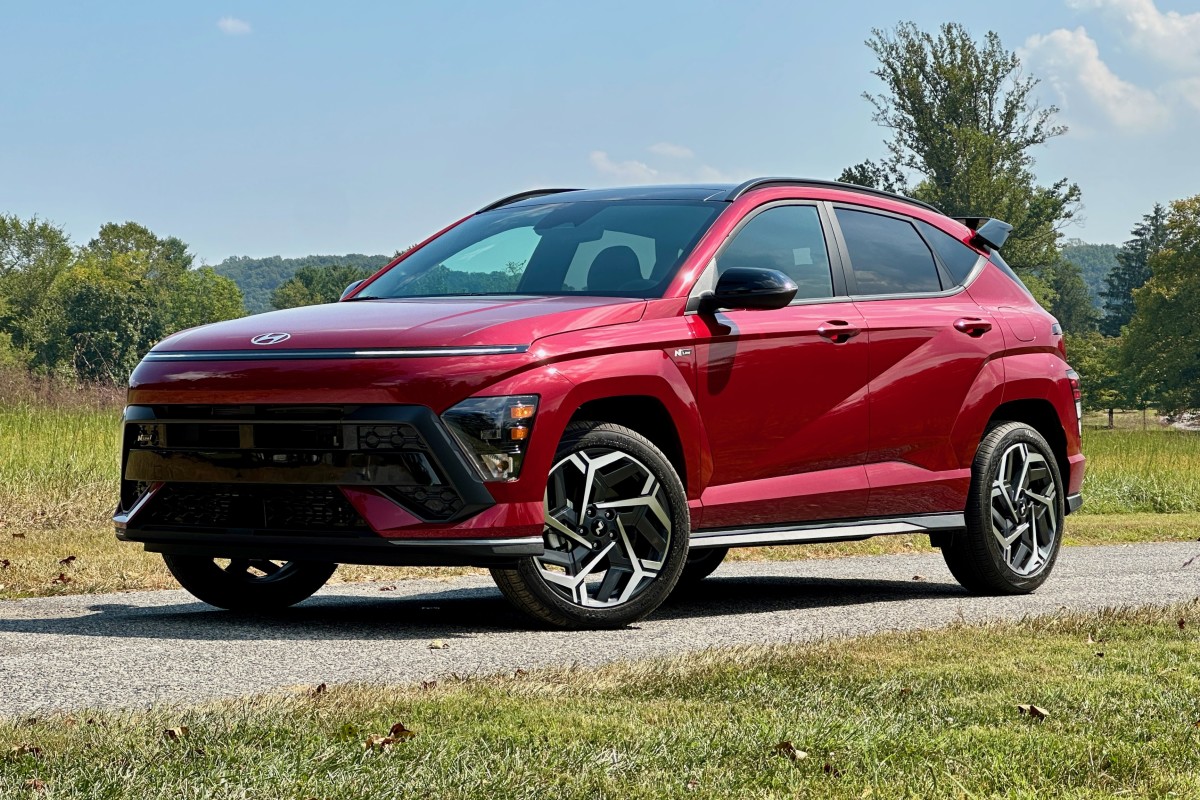
According to CarGurus experts, the overall rating for the 2024 Chevrolet Blazer EV is 6.3 out of 10, while the 2025 Hyundai Kona scores 8.0 out of 10. Based on these ratings, the 2025 Hyundai Kona is the recommended choice, offering a better balance of safety, technology, and practicality for consumers.
Choose the 2025 Hyundai Kona if:
- You prioritize safety, with a comprehensive suite of standard safety features and a Top Safety Pick+ rating.
- You want a versatile and spacious interior with impressive cargo capacity for a subcompact SUV.
- You appreciate user-friendly technology, including wireless smartphone connectivity and over-the-air updates.


Choose the 2024 Chevrolet Blazer EV if:
- You prefer a more aggressive SUV design with a larger size compared to rivals.
- You value a high-tech driving experience with Google-based infotainment and hands-free start.
- You seek strong performance options, including a forthcoming high-performance SS model.


CarGurus highlights
According to CarGurus experts, the overall rating for the 2024 Chevrolet Blazer EV is 6.3 out of 10, while the 2025 Hyundai Kona scores 8.0 out of 10. Based on these ratings, the 2025 Hyundai Kona is the recommended choice, offering a better balance of safety, technology, and practicality for consumers.
Choose the 2025 Hyundai Kona if:
Shop Now- You prioritize safety, with a comprehensive suite of standard safety features and a Top Safety Pick+ rating.
- You want a versatile and spacious interior with impressive cargo capacity for a subcompact SUV.
- You appreciate user-friendly technology, including wireless smartphone connectivity and over-the-air updates.
Choose the 2024 Chevrolet Blazer EV if:
Shop Now- You prefer a more aggressive SUV design with a larger size compared to rivals.
- You value a high-tech driving experience with Google-based infotainment and hands-free start.
- You seek strong performance options, including a forthcoming high-performance SS model.

By: CarGurus + AI
At CarGurus, our team of experienced automotive writers remain at the heart of our content operation, conducting hands-on car tests and writing insightful guides that are backed by years of industry experience. To complement this, we are harnessing AI to make our content offering more diverse and more helpful to shoppers than ever. To achieve this, our AI systems are based exclusively on CarGurus content, ratings and data, so that what we produce is both unique to CarGurus, and uniquely helpful to car shoppers.

