The past month has brought a great deal of change for the U.S. auto market. The March 26th announcement of new tariffs on imported vehicles (coupled with subsequent executive orders aimed to lessen the impact of added tariffs on auto parts and components) has set off a chain reaction in car sales, inventory, and pricing. Here’s what you need to know if you’re considering buying or selling a car today.
Understanding How Tariffs are Influencing the Auto Market, and What it Means for Today’s Shoppers
- Demand and Sales Have Surged
- New Car Supply has Tightened
- How Fast are Cars Selling?
- Hybrids in Short Supply
- What this Means for You

Demand and Sales Have Surged
Since the tariffs were announced, new car sales have soared as shoppers accelerated purchases to lock in pre-tariff prices. Our analysis indicates a remarkable 31% year-over-year increase in new car sales from March 27th to April 14th, compared to the same period in 2024. Before the announcement, new car sales were on track for a 10% annual increase.
Used car sales also got a boost, increasing by 19% year-over-year within the same post-announcement timeframe. Before the tariff news, used car sales were trending towards a 7% annual increase. The spike in used vehicle sales indicates that shoppers are likely worried that rising new car prices would eventually push up used prices too, leading many to grab affordable options while they still could.
New Car Supply has Tightened
There has been a noticeable decline in new inventory in the weeks following the tariff announcement. Our New Vehicle Availability Index, which tracks month-end dealer inventory, shows a 7% drop as buyers accelerated purchases and some manufacturers delayed production and shipments. Conversely, used inventory remained relatively stable despite the surge in demand. Prices are Climbing
Data confirms that new vehicle prices have increased since the tariffs were announced as shoppers rushed to purchase lower priced models. As of mid-April, the average list price for a new vehicle has increased by nearly $600, reaching $49,900. Used car buyers are in luck, though. Used car prices have not seen significant changes, with the average list price holding steady at $28,400, slightly under last year’s average.
How Fast are Cars Selling?
Market days supply (MDS)—a metric that tracks how long it would take for current inventory to sell at a typical sales pace—reveals important trends. For new cars, MDS dipped sharply after the tariff news but is now starting to stabilize. On the other hand, used MDS has stayed stable, a sign that supply is (so far) matching increased demand.
Hybrids in Short Supply
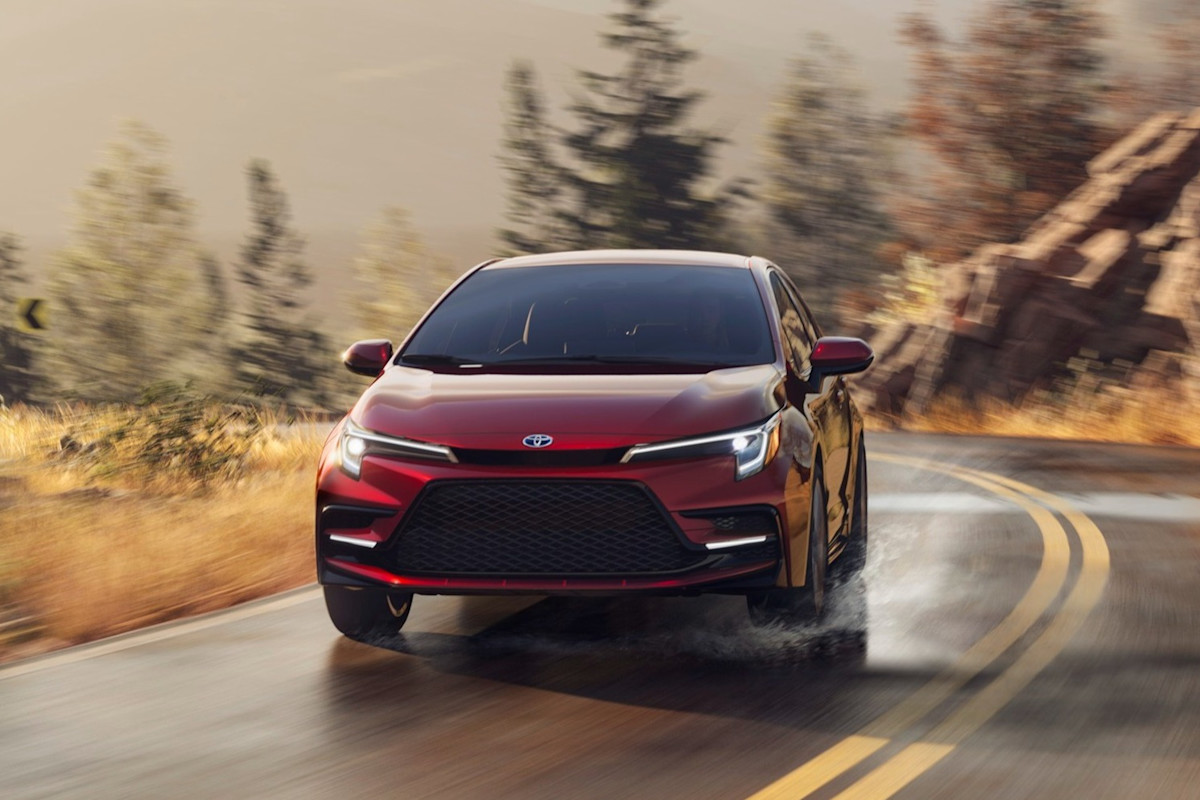
If you're eyeing a hybrid vehicle and want to lock in a purchase before any potential price increases, you may want to act fast. Our data shows that several popular imported hybrid models are getting scarce. Models like the Toyota Corolla Hybrid, Toyota RAV4 Hybrid, and Lexus RX Hybrid are hovering at about 20 days on the market before selling. Low inventory plus high demand for fuel-efficient options means hybrids are harder to find — and prices could climb sooner than for other types of cars.
What this Means for You
If you're considering buying a new car and want to take advantage of pre-tariff pricing, don't wait too long. This is especially true if you’re considering a very specific model (like a hybrid) or trim level. Inventory is declining and prices are already rising.
If you're shopping used, you have some breathing room — for now — but stay alert for potential price increases later this year.


