You need a vehicle with decent cargo capacity but don't want to sacrifice fuel efficiency. If that sounds familiar, you're probably in the market for an SUV that won't punish you at the gas pump — and if you're keeping an eye on your budget, the used-car market is where the best values are waiting.
Below is our curated list of some of the most fuel-efficient used SUVs available right now. We've included hybrids but excluded plug-in hybrids, since those can run on electricity alone for a portion of their range, which skews the mpg figures. Electric vehicles are also off the list, as they don't use gasoline at all (though they'd easily dominate any efficiency ranking).
What Makes CarGurus Best Cars Guides Different
The Top Used SUVs With the Best Gas Mileage in 2026
Honorable Mentions
Tips for Getting Good Gas Mileage in Older SUVs
FAQs
Shopping Tools
Related Topics
What Is Good Gas Mileage for a Used SUV?
As a general rule, smaller vehicles tend to have better fuel efficiency. Quite a few subcompact and compact SUV models achieve an EPA combined rating of 30 mpg or better. Larger, more capable, and more off-road-oriented SUVs will typically fall considerably below the 25-mpg threshold.
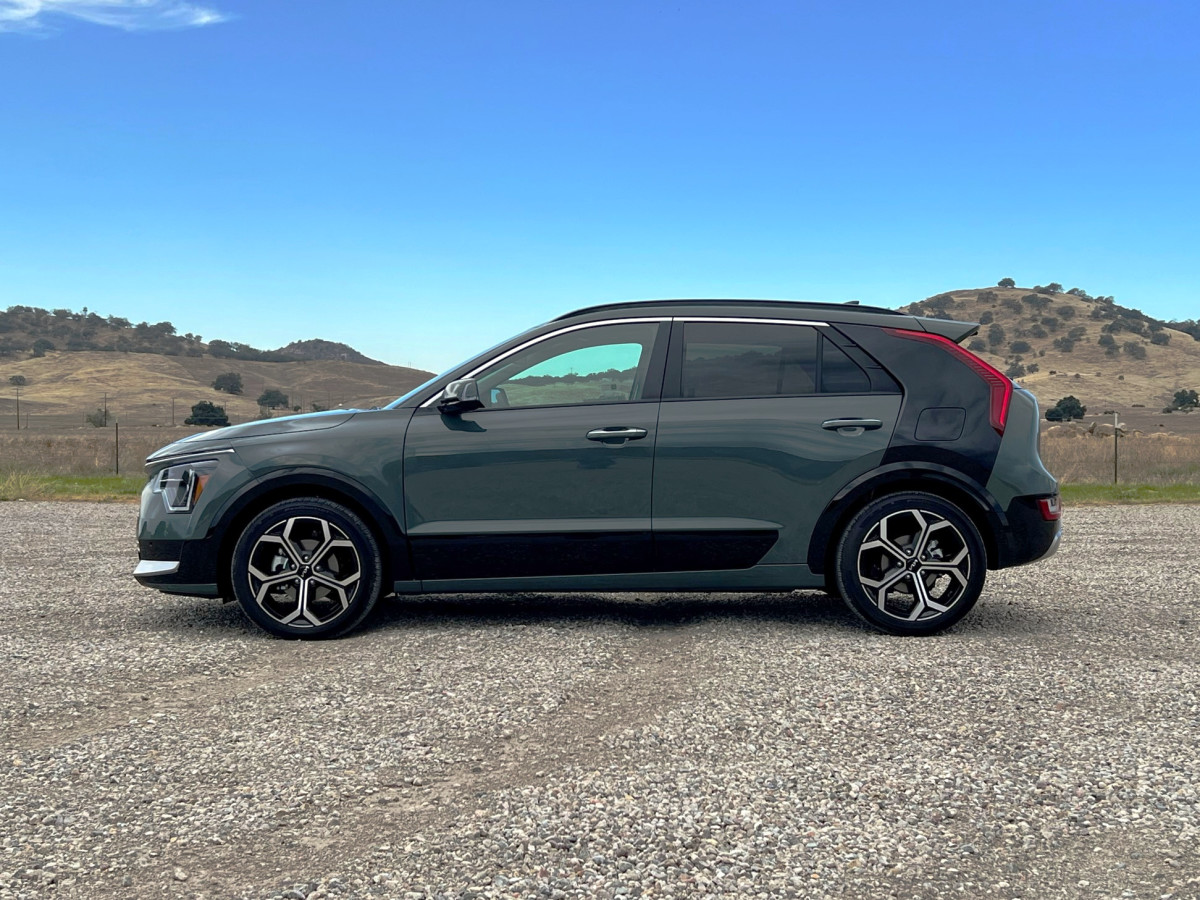
2017-2024 Kia Niro Hybrid
The Kia Niro Hybrid features a hard-to-argue-with number: 53 mpg combined, best-in-class for the subcompact crossover segment and verified by CarGurus during a real-world 95-mile test drive across a mix of roads and speeds — no hypermiling required. That kind of efficiency on a single 11.1-gallon tank translates to a driving range of around 588 miles between fill-ups, which puts the Niro in a class almost entirely by itself for used shoppers who want to minimize trips to the pump. The fully redesigned second-generation model also brought a sharper exterior, a more spacious interior — best-in-class cabin room, cargo space, and second-row legroom versus other subcompact crossovers — and a cabin built with sustainability in mind, with vegan leather seating made from eucalyptus fibers and a headliner sourced from recycled materials.
The tradeoffs are worth knowing going in. All-wheel drive isn't available in any configuration, which limits appeal for buyers in snowier climates. The six-speed dual-clutch transmission can feel jerky at low speeds, particularly when cold, though CarGurus noted it tends to settle into a more agreeable rhythm over time. Performance is modest — 139 horsepower and a 0–62 mph time of about 10.4 seconds — so this is emphatically a commuter's car rather than an enthusiast's. But for used shoppers prioritizing fuel economy above all else, the 2023 Niro Hybrid is one of the strongest value propositions on the used market, with a comprehensive standard safety suite, a well-equipped interior from the EX trim up, and the durability that Kia's lineup has consistently demonstrated over time.
The CarGurus Verdict: "A combined mpg of 53 outshines not only the Sportage’s 43 mpg but also the rest of the segment. Also, the Kia Niro offers smart design that is matched with a high-quality spacious interior. The fact that reusable and sustainable materials are used is an unexpected but much-appreciated bonus. Like its fuel economy, the Niro Hybrid does plenty good without really trying." -Beverly Braga
Read our Kia Niro Buying Guide
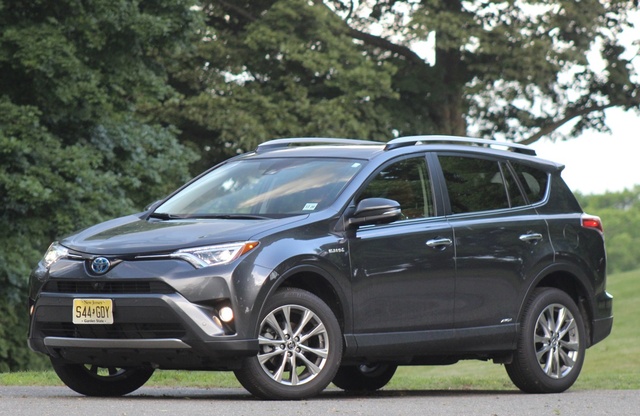
2016-2018 Toyota RAV4 Hybrid
The 2016 Toyota RAV4 Hybrid made a strong case when new, and nearly a decade later it holds up as one of the smartest used buys on this list. The powertrain pairs a 2.5-liter four-cylinder with three electric motors — two up front, one at the rear — producing 194 horsepower and delivering AWD as standard equipment, without a traditional mechanical driveshaft connecting front and rear axles. The EPA rates it at 33 mpg combined, and CarGurus verified that figure in real-world driving across a mix of city and highway. What made the original pitch compelling — and still does on the used market — is that the hybrid version was actually more powerful than the non-hybrid RAV4 of the same era while also being more efficient. That combination, from a manufacturer with Toyota's reliability reputation, makes the 2016 RAV4 Hybrid an unusually easy case for used shoppers watching fuel costs.
The interior is practical and comfortable if unremarkable, with reclining rear seats, competitive cargo capacity for the segment, and a cabin layout that prioritizes ease of use. The Limited trim adds leatherette upholstery and Toyota Safety Sense P — covering pre-collision sensing, pedestrian detection, lane-departure alert, and radar cruise control, which were meaningful features for 2016. Buyers should go in clear-eyed about what a 2016 model year means: no Apple CarPlay or Android Auto, an older infotainment system, and a turning radius that CarGurus found notably wide. But for a used buyer who wants proven hybrid efficiency, standard AWD, and Toyota's long-term durability track record at an accessible price point, it remains one of the more trustworthy picks on the used market.
The CarGurus Verdict: "If you were already in the market for an XLE or Limited RAV4, we strongly suggest you get the hybrid version. It truly is the perfect blend of capability, efficiency, and versatility." -George Kennedy
Read our Toyota RAV4 Hybrid Buying Guide
Search for Toyota RAV4 Hybrid
See all
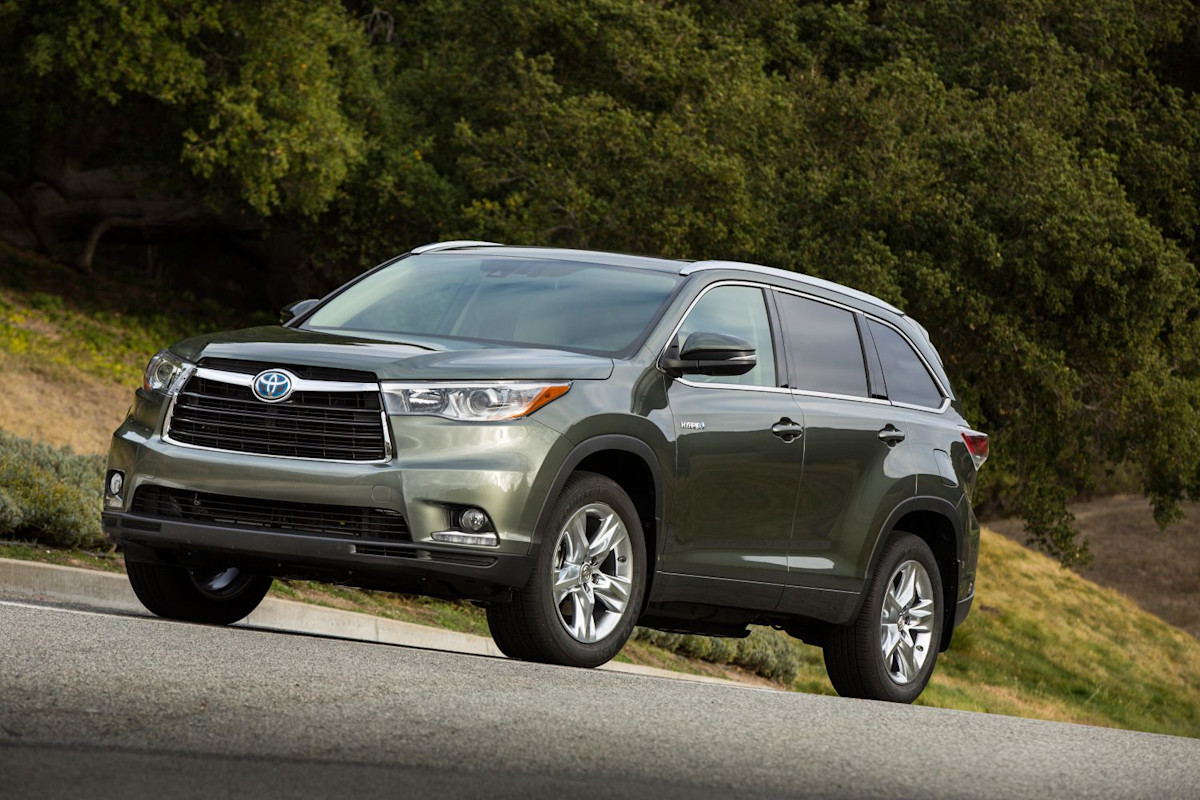
2006-2016 Toyota Highlander Hybrid
The 2016 Toyota Highlander Hybrid is one of the few three-row SUVs that can genuinely claim efficiency as a selling point. The 3.5-liter V6 runs on an Atkinson combustion cycle and pairs with two electric motors — one at the front, one at the rear — for a combined 280 horsepower and standard AWD without a traditional mechanical connection between axles. The EPA rates it at 27–28 mpg combined, and CarGurus verified close to 27 mpg over 400 mostly highway miles — a figure that compares favorably against the non-hybrid Highlander AWD's 18/24 rating and is remarkable for a vehicle that seats up to eight. Toyota's hybrid expertise is evident in the execution: the transition between gas and electric power is seamless, the V6 restarts without a shudder, and the ride is quiet and composed in a way that CarGurus compared to a Lexus RX.
The interior is where the Highlander Hybrid most distinguishes itself for used shoppers. Second-row captain's chairs with reclining backs, a folding center table, and optional heating make the middle row genuinely comfortable for adults, and a panoramic moonroof and ambient lighting give the cabin a near-luxury feel well above what the exterior suggests. The Limited Platinum trim added forward collision alert with auto-braking, adaptive cruise, and lane departure warning — meaningful safety features for the era. The tradeoffs are predictable for a nearly decade-old model: no Apple CarPlay or Android Auto, an infotainment system that's functional but showing its age, and a third row that's better suited to children than adults. But for used shoppers who need three rows, AWD, and genuinely good fuel economy from a proven reliable platform, the 2016 Highlander Hybrid remains a smart and increasingly affordable find.
The CarGurus Verdict: "Any other hybrid SUV this size costs way, way more, so it’s not even a contest if you’re in this market. Whether the hybrid itself is worth the premium over a loaded gas-only model is entirely up to your driving habits. For a few thousand American dollars a year, that answer would be yes." -Clifford Atiyeh
Read our Toyota RAV4 Hybrid Buying Guide
Search for Toyota Highlander Hybrid
See all
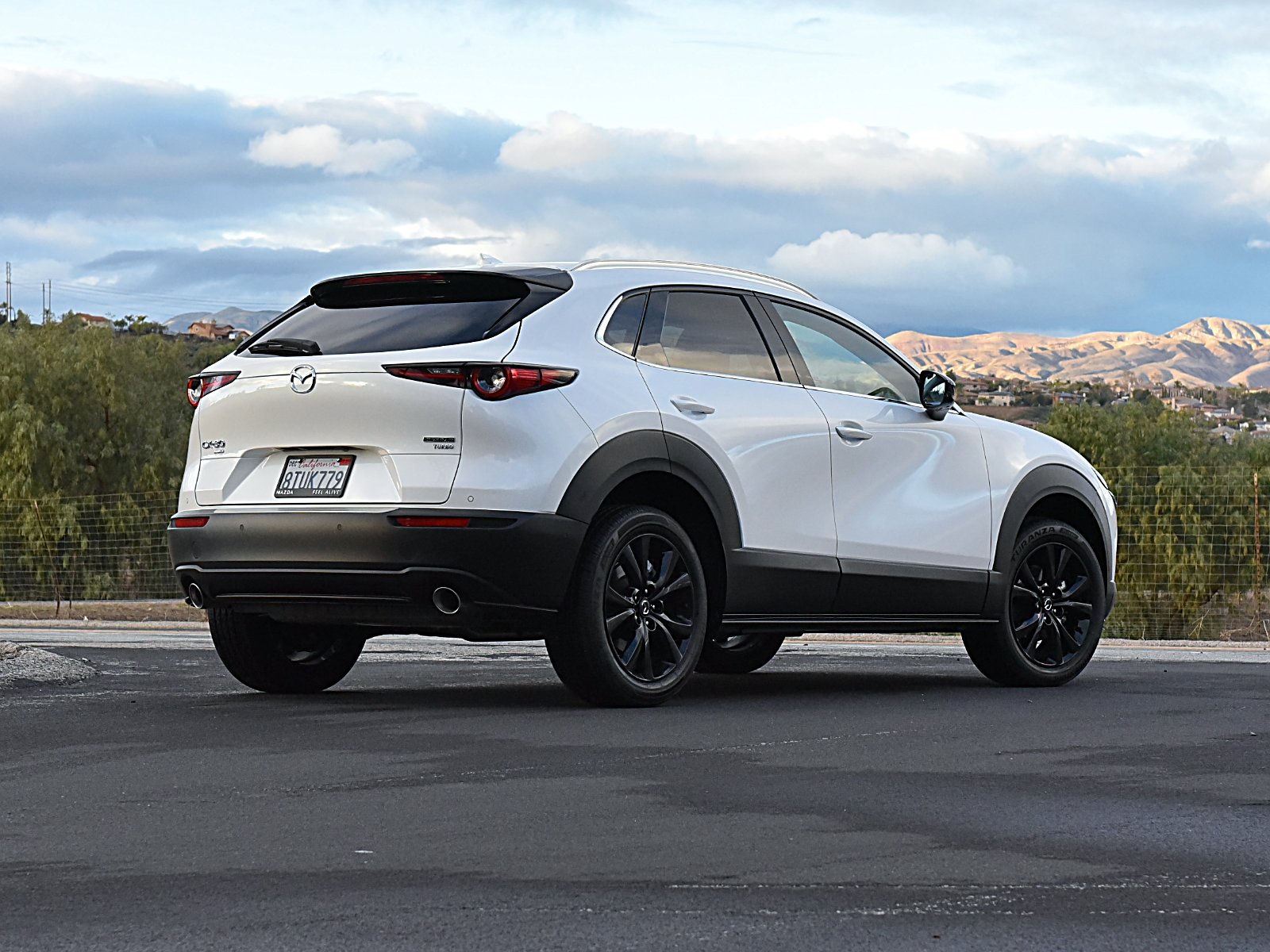
2016-2021 Mazda CX-3
The Mazda CX-3 earns its spot on a fuel economy list with an EPA rating of 31 mpg combined in front-drive form — verified by CarGurus' reviewer, who returned 29.2 mpg on a real-world testing loop that included mountain roads — with AWD models coming in at 29 mpg combined. But the CX-3's appeal on the used market goes well beyond the numbers. CarGurus called it "the Miata of SUVs," and that framing holds up: the 148-horsepower 2.0-liter four-cylinder isn't quick on paper, but the car weighs just 2,800 pounds, the transmission is exceptionally well-matched to the engine, and Mazda's G-Vectoring Control system subtly modulates torque in corners in a way that makes the CX-3 noticeably more composed than its class suggests. The optional predictive AWD system sends up to half the engine's power rearward before the driver senses any slip — proactive rather than reactive, which is the right approach for a small vehicle in mixed conditions.
The interior punches well above its class for a used buy at this price point, with suede trim on the dashboard and door panels, full leather upholstery in Grand Touring trim, and a center console redesigned for 2019 with better storage. The Mazda Connect infotainment system responds quickly and supports natural voice recognition, though the absence of Apple CarPlay and Android Auto — an inexplicable omission even in 2019 — is a real inconvenience by today's standards. The tradeoffs are significant and worth stating plainly: the rear seat is genuinely cramped for adults, cargo space is limited even with the back seats folded, and this is emphatically a car for one or two people rather than a family hauler. But for a solo commuter or urban dweller who wants great fuel economy, an unusually premium feel, and a genuinely enjoyable driving experience from a used vehicle, the CX-3 is a compelling and now very accessible find.
The CarGurus Verdict: "You don’t buy a Mazda CX-3 for off-roading capability or spending sprees at the local IKEA. You buy it because it looks terrific and is a joy to pilot, putting a smile on your face whether you’re commuting, running errands, or heading out for a drive just because." -Christian Wardlaw
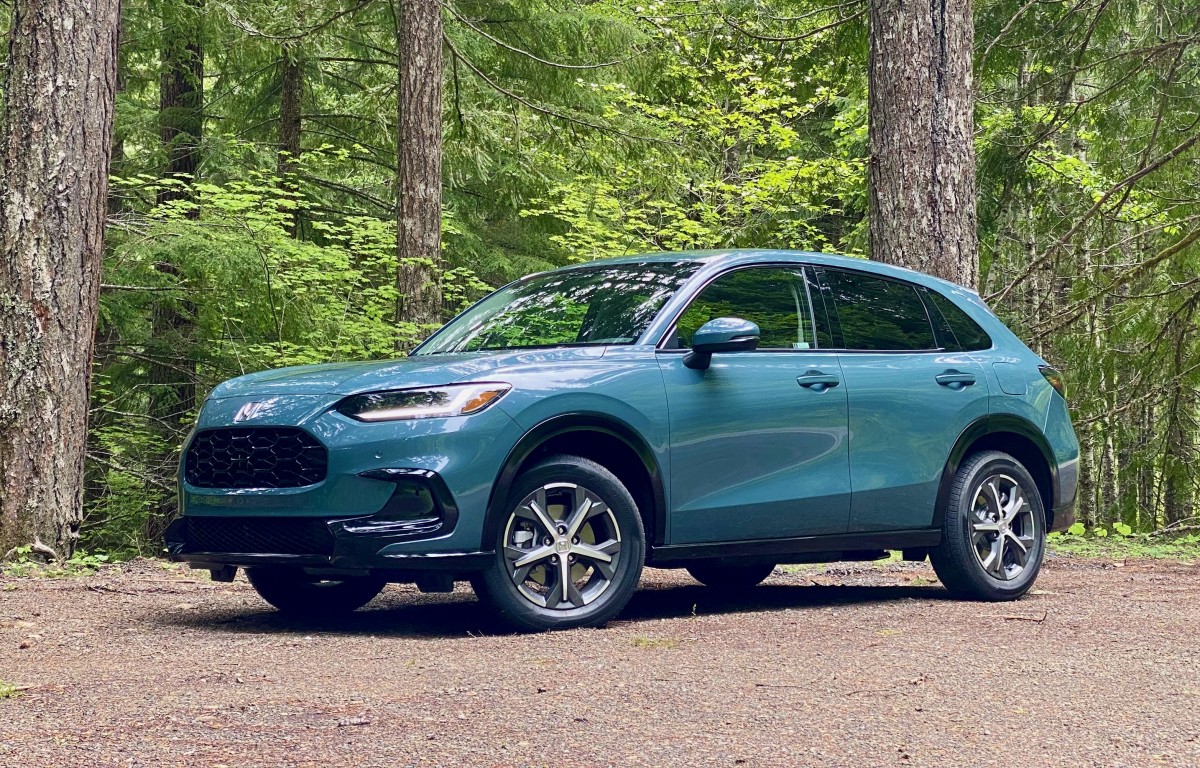
2016-2024 Honda HR-V
The Honda HR-V took a significant step forward with the 2023 model year, now sharing architecture with the Civic rather than the Fit, and the upgrade shows throughout the car. The 2.0-liter four-cylinder delivers 158 horsepower — an improvement over the outgoing model — through a CVT with a Snow mode that adjusts transmission behavior, throttle response, and the optional AWD system for reduced-traction conditions. EPA fuel economy comes in at 28 mpg combined in front-drive form and 27 with AWD, with a 14-gallon tank taking regular fuel. Honda's full Sensing suite is now standard across every trim, including adaptive cruise control with stop-and-go — a feature absent from many far more expensive SUVs — as well as automatic emergency braking, lane-keeping assist, road-departure mitigation, traffic sign recognition, and a new wide-angle single-camera system that significantly expands the field of view versus the previous generation.
Where the HR-V really earns its place on a used list is the EX-L trim, which CarGurus' reviewer found felt more expensive than its class would suggest. Perforated leather seats with additional shoulder support, dual-zone climate control, a power moonroof, wireless Apple CarPlay and Android Auto, an eight-speaker audio system, and a nine-inch touchscreen with wireless charging all come together in a package that punches well above its entry-level footprint. Cargo space checks in at 24.4 cubic feet with the rear seats up and 55.1 with them folded — among the largest in class. The CVT can feel noisy at higher speeds, there's no hybrid option (a genuine gap in the lineup), and the acceleration is modest rather than eager. But for a used buyer who wants strong standard safety tech, a genuinely refined interior, and Honda's long reliability track record at a now very accessible price, the HR-V is a compelling pick.
The CarGurus Verdict: "New styling plus the newly standard Honda Sensing suite of safety features put this latest HR-V back at the front of the pack it led when it debuted in 2016." -Natalie Harrington
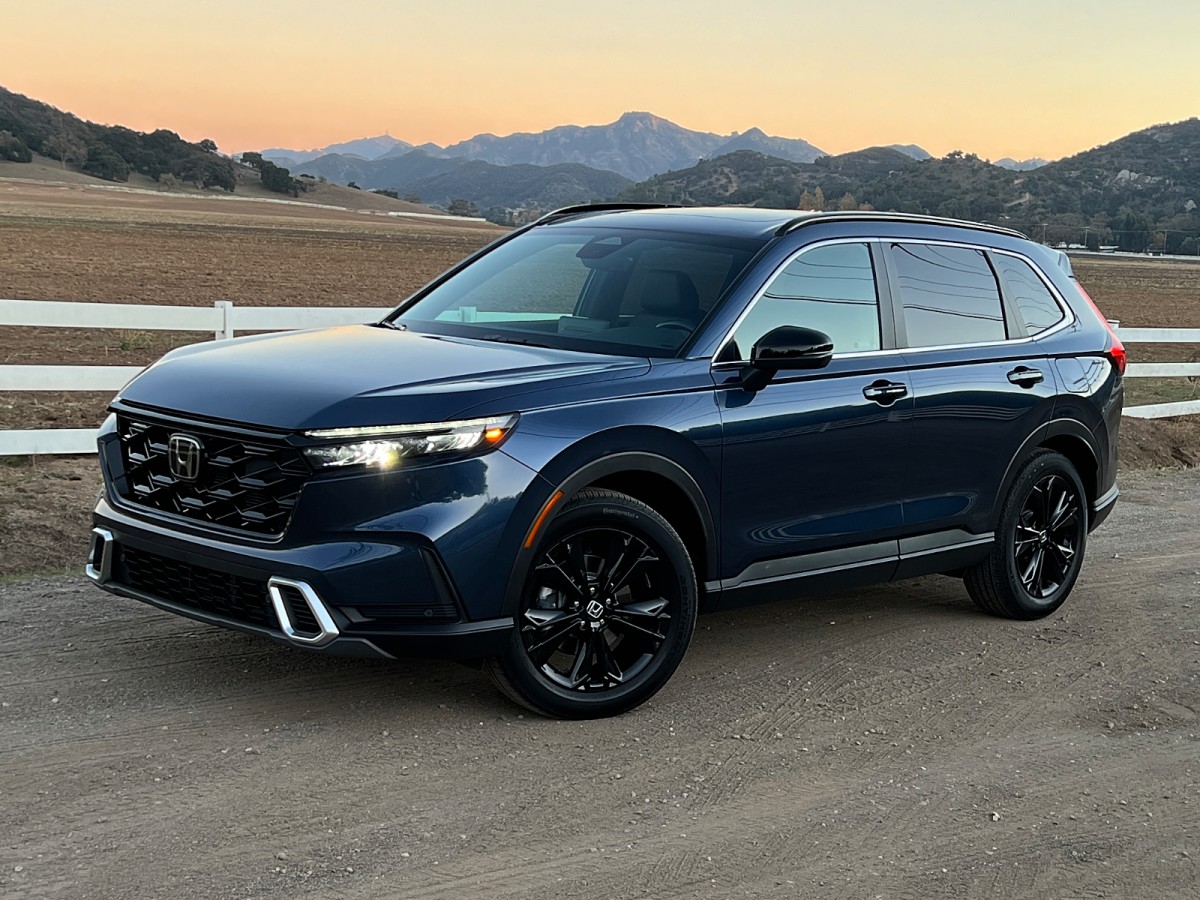
2020-2024 Honda CR-V Hybrid
The Honda CR-V consistently ranks among the best-selling compact SUVs on the market, and the CR-V Hybrid — which made its debut for 2020 — makes a strong case for why. The fourth-generation two-motor hybrid system pairs a 2.0-liter Atkinson-cycle four-cylinder with two electric motors for a combined 204 horsepower and an EPA-estimated 38 mpg combined, all while working transparently from the driver's seat. Real-world fuel economy will vary depending on driving conditions and terrain, but the hybrid system represents a meaningful efficiency improvement over the standard gas CR-V. The cabin is genuinely sophisticated for the class, with soft-touch materials, metal mesh air vent covers, and an interior that punches above its segment. Cargo space tops out at 76.5 cubic feet with the rear seats folded — among the largest in the compact SUV class — and rear doors that open to nearly 90 degrees make loading children and car seats easier than most rivals.
Apple CarPlay and Android Auto come standard across the lineup, with wireless versions available on the upper Sport-L and Sport Touring trims. Honda Sensing is also standard on every trim, covering adaptive cruise with stop-and-go, lane-keeping assist, lane-centering, automatic emergency braking, traffic jam assist, blind-spot monitoring, and a driver attention monitor — a suite CarGurus found performed remarkably well in extended real-world testing. The CR-V Hybrid earned an IIHS Top Safety Pick+ award, reinforcing its strong passive safety credentials. It may not be the most affordable option on the used market, but the combination of class-leading cargo space, strong safety technology, Honda's long reliability track record, and a genuinely efficient hybrid powertrain make it a hard package to pass up.
The CarGurus Verdict: "Overall, there is little to criticize and much to praise about the 2024 Honda CR-V Hybrid. It might not be the most exciting vehicle in its segment, but it excels at practicality, utility, comfort, and safety." -Christian Wardlaw
Search for Honda CR-V Hybrid
See all
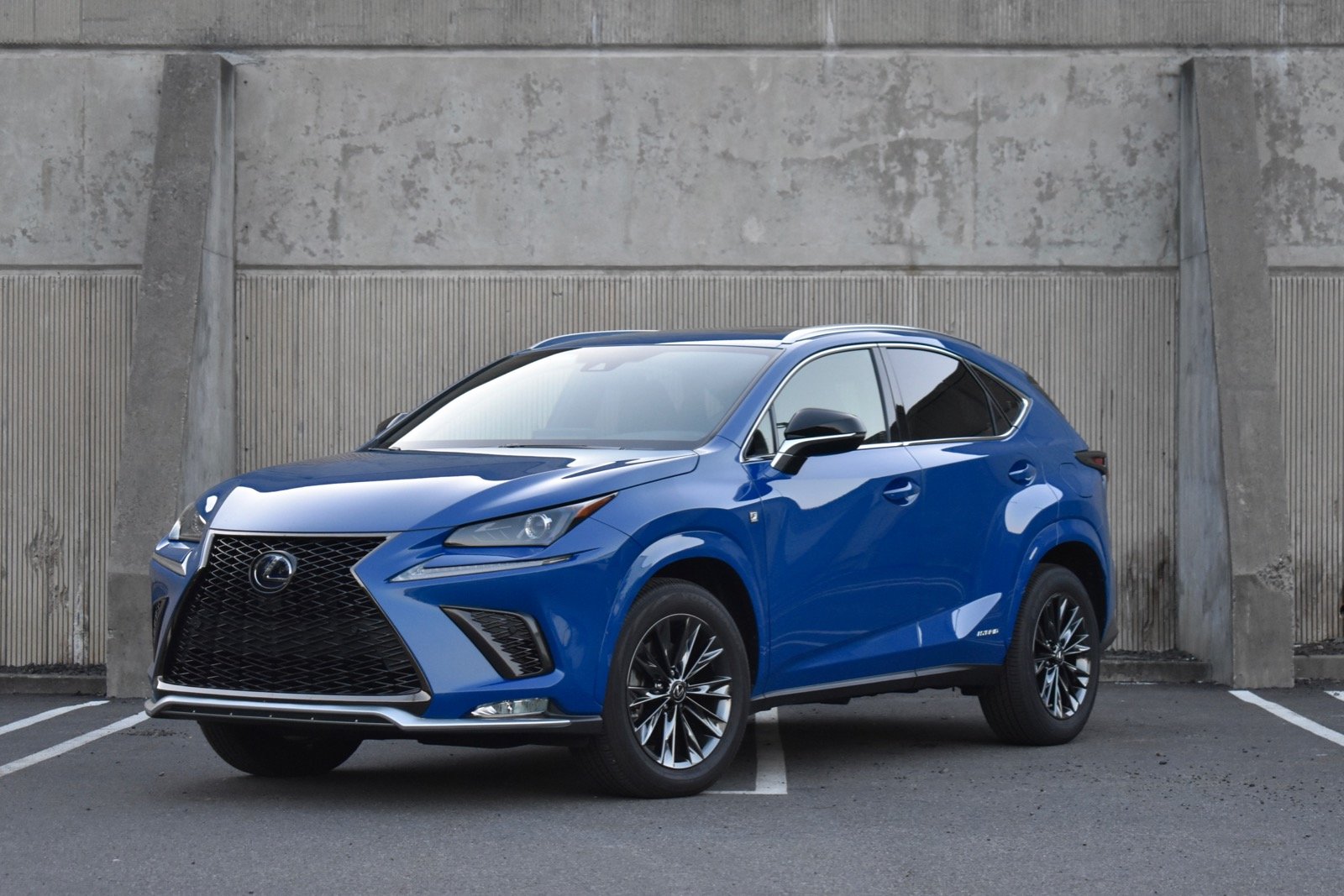
2015-2024 Lexus NX Hybrid
The Lexus NX Hybrid arrived for 2015 as an accessible entry point into the brand's luxury lineup, and on the used market it represents one of the more attainable ways to combine efficiency with a premium badge. It shares its proven powertrain with the Toyota RAV4 Hybrid — a 2.5-liter Atkinson-cycle four-cylinder paired with an electric motor for 194 combined horsepower — and posts strong EPA numbers: 32 mpg combined for the front-drive version and 31 mpg for AWD models, a meaningful improvement over the non-hybrid NX's 24 mpg. Standard AWD comes on all trim levels, and the ride is comfortable and refined. The sharp-edged exterior styling holds up well, and Lexus Safety System+ 2.0 comes standard across the board, bundling forward-collision warning, automatic emergency braking, adaptive cruise, lane departure warning with steering assist, traffic sign recognition, and blind-spot monitoring. The NX earned an IIHS Top Safety Pick+ award along with a five-star overall NHTSA rating.
Cargo space trails some rivals in the compact SUV class at 16.8 cubic feet with the rear seats in place, and the rear seat is better suited to smaller adults. The infotainment relies on Lexus' Remote Touch trackpad rather than a touchscreen — Apple CarPlay and Android Auto are available, but the interface takes some getting used to. Buyers who can stretch to a 2022 or newer NX Hybrid will find a significantly redesigned model with a new platform, touchscreen infotainment, and improved efficiency. For those shopping this generation, the NX 300h is best understood as a comfortable, safe, and genuinely efficient luxury daily driver at a now very accessible used price point.
The CarGurus Verdict: "The NX Hybrid has no major faults, but it falls short of expectations for a luxury vehicle." -Stephen Edelstein

2006-2008 Lexus RX Hybrid
The 2008 Lexus RX 400h holds a notable place in automotive history as one of the earliest luxury hybrid SUVs, arriving at a time when the idea of a full-hybrid powertrain in a midsize luxury vehicle was genuinely novel. The setup pairs a 3.3-liter V6 with two electric motors — one at the front axle and one at the rear on AWD models, with no mechanical driveshaft connecting them — for a combined 268 horsepower. The EPA rated it at 28 mpg city and 25 mpg highway, with real-world results varying considerably depending on driving conditions and climate; owner reports suggest the hybrid system is most effective in city and suburban driving, where the electric motors carry more of the load, with colder temperatures meaningfully reducing efficiency. The cabin is quiet and refined, entry and egress are easy, and the RX's signature ride comfort remains a genuine strength nearly two decades later.
For used shoppers considering a vehicle this age, context matters. There is no Apple CarPlay, Android Auto, or any modern connectivity — the infotainment is a DVD-based navigation system of its era. Nickel-metal hydride hybrid battery longevity is a key variable to investigate before purchase, and buyers should factor in the cost of potential battery replacement. Cargo space behind the rear seats is tighter than the non-hybrid RX due to battery placement, and the rear seat is best suited to two adults rather than three. At this price point on the used market, the 2008 RX 400h is best suited to buyers who prioritize city fuel savings and a smooth, quiet luxury experience over modern technology — and who are diligent about pre-purchase inspection.
Read our Lexus RX Hybrid Buying Guide
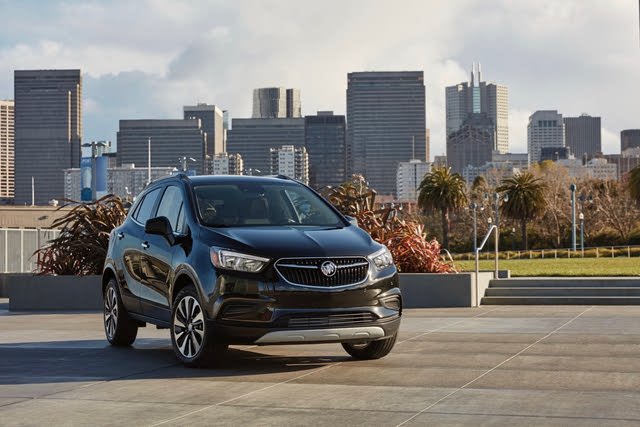
2013-2022 Buick Encore
The subcompact Buick Encore pairs a turbocharged 1.4-liter four-cylinder engine with a choice of front- or all-wheel drive, returning an EPA-estimated 28 mpg combined in FWD form and 25 mpg with AWD — solid numbers for a conventional (non-hybrid) subcompact in this class. For 2022, Buick simplified the lineup to a single Preferred trim but bumped engine output to 155 horsepower and 177 lb-ft of torque, and added a standard 8-inch touchscreen with Apple CarPlay, Android Auto, Bluetooth, and a 4G LTE WiFi hotspot. Buick's QuietTuning noise isolation is a genuine differentiator at this segment and price point, giving the Encore a calmer, more refined cabin feel than most subcompact rivals. Cargo capacity is on the modest side — 19 cubic feet behind the rear seats and 48 with them folded flat — but the passenger seat folds flat for longer items, a useful practical touch.
Used shoppers should pay close attention to how the example they're considering was optioned, as advanced safety features are not standard here. Blind-spot monitoring, rear cross-traffic alert, forward-collision warning, and lane-departure warning all require add-on packages that not every buyer selected — so it's worth confirming what's actually equipped before purchase. The Encore was discontinued after the 2023 model year, making well-optioned used examples the last of their kind, and the combination of Buick's refined character, accessible used pricing, and solid fuel economy makes it a sensible pick for urban or suburban buyers who prioritize comfort and efficiency over cargo space or the latest driver-assist tech.
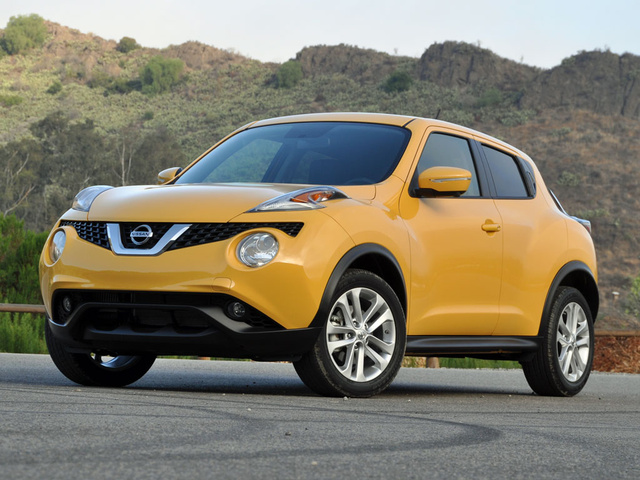
2011-2017 Nissan Juke
The 2015 Nissan Juke occupies its own lane on this list — and not just because of the polarizing styling that CarGurus compared to something Andrew Zimmern might encounter in a jungle. It's a genuinely characterful used buy, powered by a turbocharged 1.6-liter four-cylinder producing 188 horsepower and returning an EPA-rated 30 mpg combined, with CarGurus' reviewer extracting 28.9 mpg in real-world driving without any particular effort toward fuel conservation. The turbocharged engine requires premium fuel, which is worth factoring into the ownership cost calculation. FWD and AWD configurations are both available, with the AWD system including torque-vectoring technology that meaningfully improves handling composure. The driving experience is nimble and engaging for the class — taut, capable, and more fun than most subcompact crossovers of its era — and the motorsport-inspired interior, while made largely of hard plastic, has a purposeful personality that suits the car's character. Cargo space is modest at 10.5 cubic feet with seats in place and 35.9 folded, positioning the Juke firmly as a commuter vehicle rather than a hauler.
Used shoppers should go into a Juke purchase clear-eyed about two significant limitations. First, the technology is thoroughly dated: the NissanConnect infotainment system uses a small touchscreen with no Apple CarPlay or Android Auto, and the screen itself was prone to glare issues. Second, and more importantly, safety credentials are genuinely weak for this generation. The Juke earned a Poor rating in the IIHS small overlap frontal test and a 3-star NHTSA rating for front passenger protection — CarGurus' reviewer called it the most significant reason to cross the Juke off a shopping list. For buyers who prioritize driving enjoyment and fuel economy over modern safety tech and are shopping at the more affordable end of the used market, the Juke has real appeal. But those with safety as a top priority are better served by other options on this list.
The CarGurus Verdict: "This undersized crossover has an oversized personality, one that you either love or you hate, and this bold appearance serves to endear the Juke to the people who adore it." -Christian Wardlaw
Honorable Mentions
The budget-friendly 2009-12 Ford Escape Hybrid is worth a look for cost-conscious shoppers. At least one report has documented the boxy crossover still earning its keep in taxi service with 400,000 miles on the clock. In FWD form, the Escape Hybrid returns 32 mpg.
The Nissan Kicks is another solid contender, particularly for buyers who appreciate distinctive styling at an accessible price. Starting with the 2018 model year, this FWD-only subcompact crossover effectively stepped in as the Juke's successor — and improved on its fuel economy, achieving an estimated 33 mpg combined.
Drivers in rural areas with unpaved roads, or those dealing with serious winter weather, may find a late-model Subaru Forester to be an ideal fit, as we highlighted in our article on the best used SUVs of 2026. Subarus have long been respected for their reliability, standard AWD, and off-road capability. The 2020 Forester's combined EPA rating of 29 mpg isn't class-leading, but it's respectable for a vehicle with genuine all-terrain credentials.
The 2022-and-later Hyundai Tucson Hybrid delivers an impressive 37 mpg combined. As we noted in our review, it's a strong pick for anyone wanting a compact SUV with generous cargo space and a robust suite of standard safety technology.
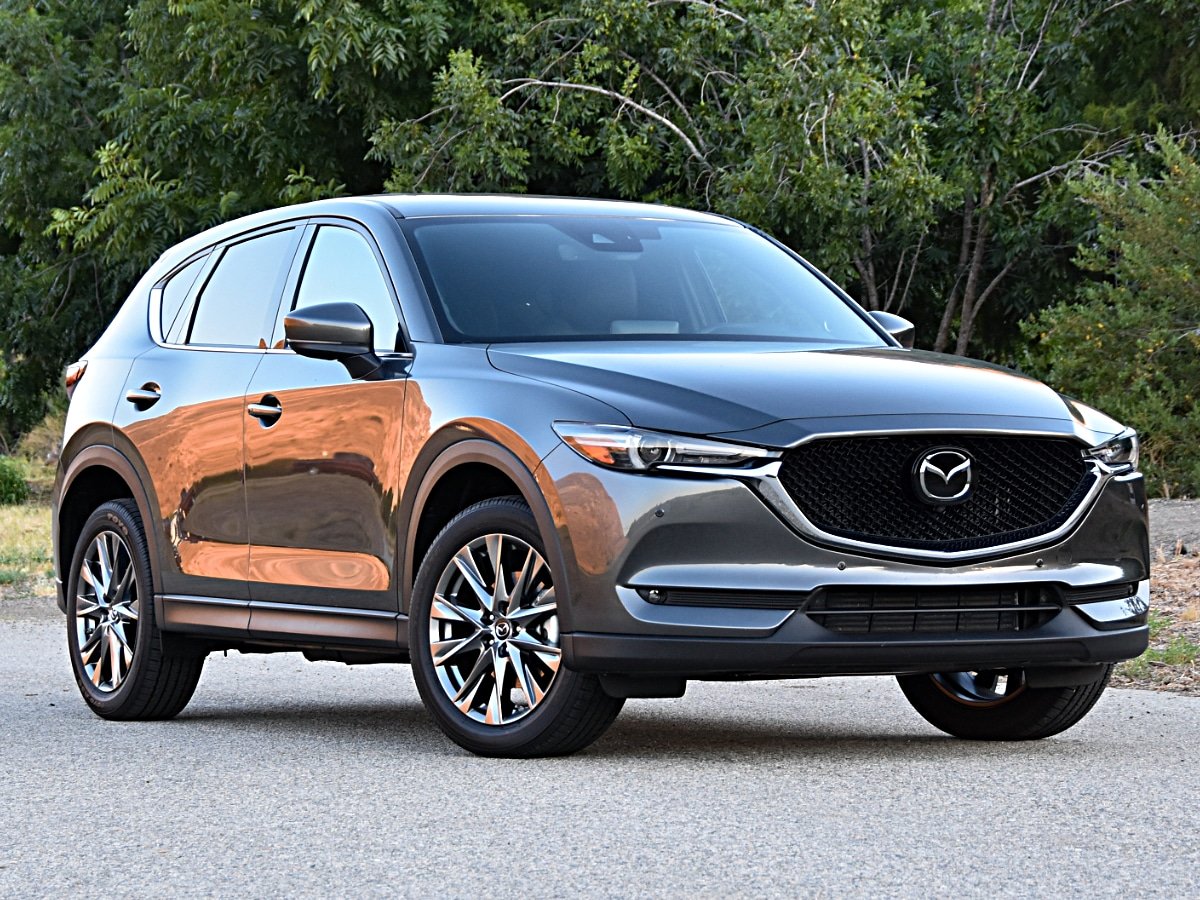
Used-car shoppers who prioritize interior and exterior design along with driver-focused dynamics should give a used Mazda CX-5 serious consideration. The 2020 model returns 28 mpg combined in FWD configuration — not a class leader, but entirely reasonable for one of the most enjoyable vehicles to drive in its segment.
Finally, the 2018-24 Volkswagen Tiguan deserves a mention. At 24 mpg combined, it's not the most efficient compact crossover around, but it stands out as one of the few options in its class to offer a third-row seat, which VW made available on select configurations.
Tips for Getting Good Gas Mileage in Older SUVs
The Top Used SUVs With the Best Gas Mileage FAQs
Which used hybrid SUV gets the best gas mileage?
The Kia Niro Hybrid stands out at the top of the efficiency chart, delivering an impressive 43 to 50 mpg combined depending on the trim level. The Honda CR-V Hybrid is another strong performer, earning an EPA-estimated 38 mpg — making it one of the most fuel-efficient options in the compact SUV segment.
Are there fuel-efficient used SUVs that also offer AWD?
Yes, several models on this list pair solid fuel economy with standard or available AWD. The 2016-2018 Toyota RAV4 Hybrid comes standard with AWD and still achieves 32 mpg combined, while the Lexus NX Hybrid offers AWD with a 31 mpg combined rating — both strong choices if you need traction in winter weather or on unpaved roads.
How can I improve the gas mileage on an older used SUV?
A few simple habits can make a meaningful difference in real-world efficiency. Keep your tires inflated to the recommended pressure, avoid carrying unnecessary cargo, accelerate gently from stops, and coast gradually toward traffic lights rather than braking hard at the last moment.
What Makes CarGurus Best Cars Guides Different?
Most car-shopping websites publish lists of the best cars across a variety of categories, with recommendations generally driven by editorial expertise. Here's what makes ours different: In addition to the insights and verdicts of our team of car-testing experts, our best cars guides take into account other factors that we know matter to buyers-real owner experiences and current market value.
Our expert reviewers are among this country's most trusted automotive journalists, also writing for publications including US News and World Report, Edmunds, Digital Trends, J.D. Power, and Car & Driver. They put each car through real-world testing and create detailed reviews of performance in a range of categories, from practicality and driving manners to cost-effectiveness and safety.
We also analyze hundreds of thousands of used car listings on CarGurus.com to track which models consistently offer the highest percentage of best deals relative to how many are listed for sale. Then we factor in reviews from owners-people who actually live with these cars every day. Our proprietary Best Cars algorithm then creates a final Overall CarGurus rating combining expert scores, user reviews, and the percentage of listings that have earned the Good or Great Deal rating. This multi-pronged approach reveals not just which cars excel on paper, but which ones deliver satisfaction and value when you're ready to buy.
The CarGurus market data used in this guide was last updated in July 2026. Values were accurate at time of publication and should be used as a guide only.
Shopping Tools
Related Topics