Selling Your Car: Prep, Pricing, and Your Options
Before you list a car, there's groundwork to do. Dave leads the charge on paperwork: gather your title (if you have a loan outstanding, you'll need to arrange payoff before transferring), any maintenance records from your ownership, and even minor documentation like tire receipts. Knowing when your tires were last replaced matters more than you'd think, since any serious buyer will ask.
On physically preparing the car, the crew keeps it simple: vacuum it, wash it, and give the engine bay a once-over. A clean exterior signals a well-cared-for car. An engine bay with old fluid residue or visible rodent damage tells a different story. You don't need to invest in fresh tires or a paint correction before selling, especially for a trade-in, but you do want to eliminate anything that gives a buyer or appraiser easy ammunition to talk down your price.
Dave tells the story of a trade-in appraiser who would silently walk around a car touching every door ding and paint chip without saying a word, waiting for the seller to start explaining themselves. Don't do that. Know your car's condition without talking yourself into a lower offer.
Your selling options, in short:
Private sale (Facebook Marketplace, Craigslist, Bring a Trailer, Cars & Bids): You'll likely get the most money, but it takes time. Expect lowball offers, flaky buyers, and paperwork that's entirely on you. Dave's natural habitat, and he'd have it no other way.
Cash offers from buyers like Carvana and CarGurus: Enter your VIN or plate number, get offers from multiple local dealers (via CarGurus), or a direct offer from a company like Carvana. It's fast, easy, and competitive, especially when multiple dealers are bidding. Matt sold two cars this way during the pandemic and didn't have to leave his couch.
Trade-in: The most convenient option. You're probably leaving some money on the table compared to selling privately, but there's a significant tax advantage most people don't know about: in most states, you only pay sales tax on the difference between the car you're buying and the trade-in value. On a $30,000 purchase with a $10,000 trade-in, you're only taxed on $20,000. In a high-tax state like California, that can mean thousands in savings.
Buying a Used Car: Where to Shop and What to Know
The crew breaks down the difference between marketplace sites like CarGurus and retailer sites like Carvana or CarMax. The key distinction: CarMax and Carvana own their inventory. CarGurus connects you with dealers across the country, which means more selection and more competition for your business. You can even find Carvana listings on CarGurus, but you can't find independent dealer inventory on Carvana.
For niche, classic, or collector vehicles, Dave points to Bring a Trailer and Cars & Bids as the gold standard. Unlike eBay Motors, these platforms have comments, community accountability, recurring sellers with reputations to uphold, and an auction format that resets the clock every time a bid comes in during the final two minutes. It keeps things fair for buyers and, admittedly, can drag out the final minutes into hours.
Dave's caution on buying sight unseen: even a pre-purchase inspection isn't foolproof. He once received a visual inspection on a car that had corrosion in the fuel tank and rust in the fuel lines. A 30-second test drive would have surfaced the problem immediately. If you can see and drive the car in person, do it.
One tip that applies to any purchase: start negotiating before you set foot in the dealership. Submit an inquiry, ask for the full out-the-door price (taxes, fees, everything), then compare it to two or three similar vehicles. If a dealer won't discuss price over email, move on. And if you reach an impasse, walking away is the single most powerful move a buyer has. More often than not, you'll hear back in a few days with a better number.
CarGurus' Top Tips: Red Flags, Questions to Ask, and More
Red flags to watch for:
Seller won't negotiate via email or text: A dealer or private seller who insists you come in before talking price is setting you up to negotiate on their turf. Get the numbers in writing first.
Price that seems too good to be true: It probably is. Private listings on Facebook or Craigslist that are priced well below market often have a story. Ask questions, pull a vehicle history report, and if you still can't figure out why it's so cheap, walk away.
The car has been sitting: If a listing has been up for a while and the seller is claiming there's tons of demand, push back. On sites like CarGurus, you can see how long a car has been listed. Use that.
Questions worth asking every seller:
- How many previous owners has it had?
- Can I get a vehicle history report (Carfax or AutoCheck)?
- Are there any open recalls?
- Has it had any special situations: rental use, title issues, accident repairs?
- Will you allow an independent pre-purchase inspection?
On open recalls: a dealer can legally sell you a used car with an open recall. That's not automatically a dealbreaker, but it is leverage. Ask them to fix it before purchase, or negotiate the price down and handle it yourself after buying.
On warranties: you don't have to buy one, but for older vehicles or makes with known issues at certain mileage thresholds, an extended warranty can pay for itself quickly. Dave bought a used Subaru Legacy GT right out of college, added a dealer warranty for around $600-700, and used it on a $2,000 head gasket repair within four months. You also don't have to buy the warranty at the point of sale; you can add one later.
On title status: always pull a vehicle history report before any significant purchase. It costs around $20 and can surface flood damage, salvage titles, accident history, and ownership records. A branded title (salvage, flood) will follow that car forever and make it very difficult to resell.
In Our Driveways This Week
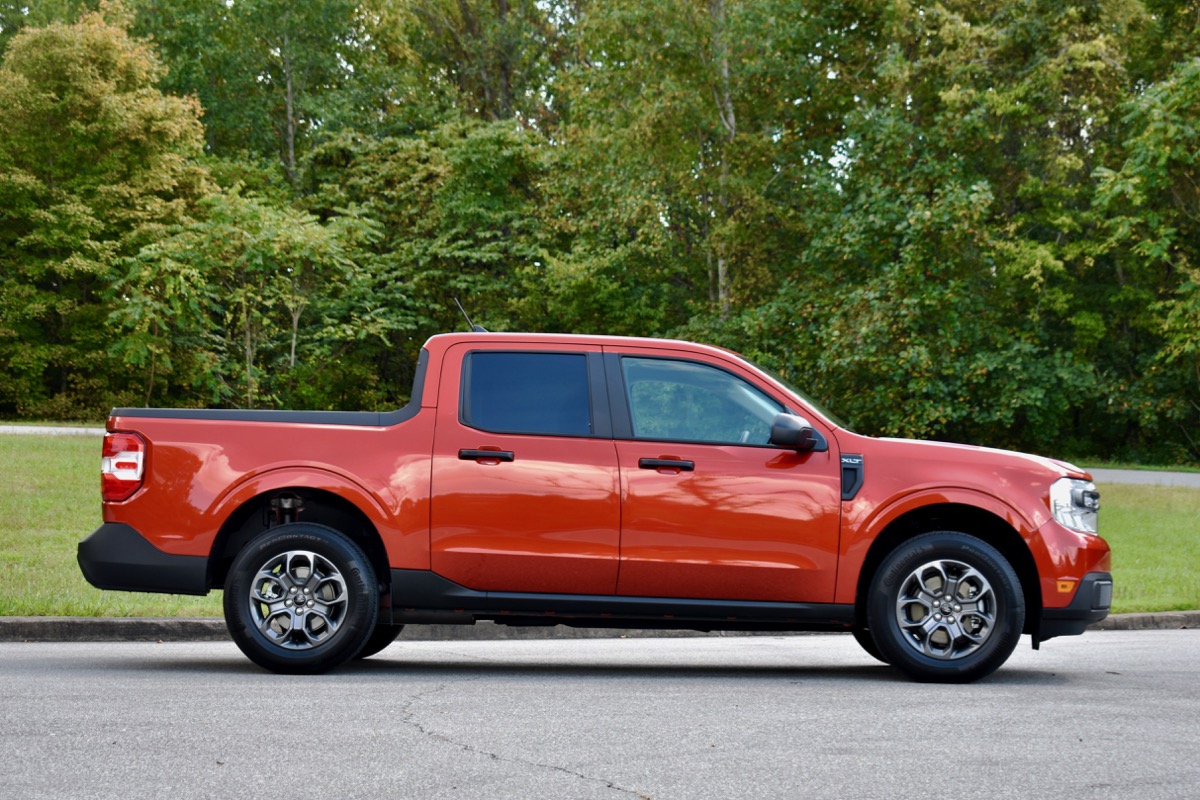
Elliot - Ford Maverick
Elliot has the compact Ford pickup in the fleet this week. Given the Maverick's reputation as one of the best value trucks on the market, expect some thoughts on what "right-sized" actually means in 2026.
Speed Round: One Sale or Purchase You'd Take Back
Matt: Selling his 2011 Subaru Outback. He got good money for it, but that car went on road trips, logged real memories, and rode better than the modern Forester that replaced it. He misses it.
Dave: Buying a 2006 Mazda Miata (NC generation) at the wrong stage of life. Financially stretched, rarely driving it, and eventually selling it below market because he ran out of patience. Wonderful car, wrong moment. His silver lining: NC Miatas are going for around $13-16K right now, and he thinks they're at the bottom of the depreciation curve. Dollar for dollar, one of the most fun cars you can buy.
Elliot: Trading in a perfectly functional base-model Ford Focus for $400. He was young, uninformed, and just wanted the transaction to be over. He's made peace with it, mostly.
How to Listen
Have a question for the team? Send an email to editor@cargurus.com
The Hosts