If you search online for "best cars for teen drivers," you'll quickly find yourself buried under an avalanche of guides. There's just one problem: most of them assume you're ready to spend $25,000 or more. That kind of budget opens up a wide range of new vehicles, but if you've been diligently saving for your kid's future—whether that means trade school, a four-year university, or something else entirely—$20,000 could cover a significant chunk of tuition and living expenses.
That's why we're taking a different approach, focusing on used cars for young drivers that fit a genuinely realistic budget. Used car prices have pulled back substantially from their pandemic-era highs, which means finding something safe, reliable, and dependable for under $8,000 is far more achievable today than it was a few years ago.

A few honest caveats before we dive in: vehicles like the BMW X3, Honda CR-V, Volvo XC60, and Mazda CX-5 are going to be nearly impossible to track down under this dollar amount. Likewise, any pickup truck in this price range will likely be older than most parents would prefer. That said, plenty of vehicles within this budget still deliver meaningful safety technology—airbags, stability control, and in some cases even automatic emergency braking and blind spot monitoring.
Throughout this guide, we'll reference National Highway Traffic Safety Administration (NHTSA) crash test scores and—where available—Insurance Institute for Highway Safety (IIHS) crash test data. It's worth keeping in mind that safety ratings are always evolving, as both organizations regularly update and tighten their testing standards.
We're deliberately leaving coupes and sports cars off the list, concentrating instead on sedans, crossovers, EVs, and the reliably useful hatchback. Minivans, despite their reputation, are actually an outstanding choice for teen drivers—even if the teens themselves may need a little persuading. Here's a look at some of the strongest options available.
What Makes CarGurus Best Cars Guides Different
The Safest Used Cars Under $8,000 for Teens in 2026
FAQs
Shopping Tools
Related Topics
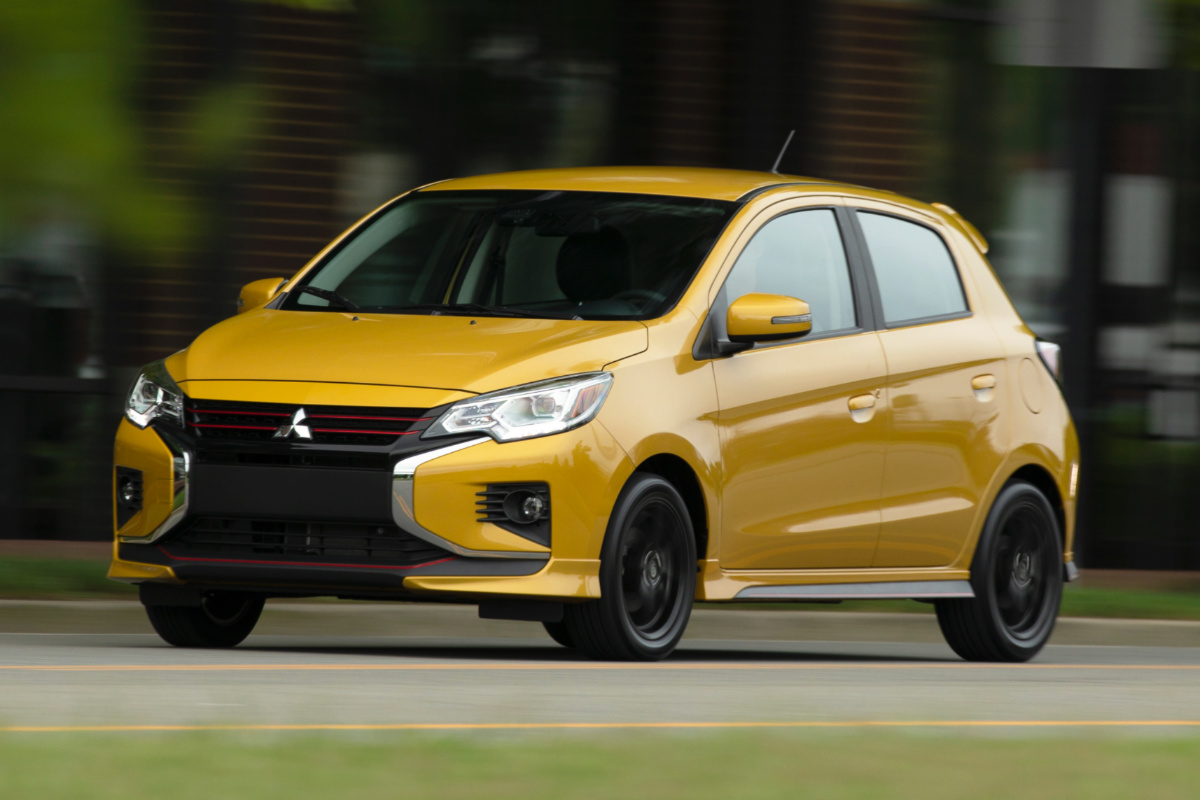
Subcompact Car: 2012 to 2024 Mitsubishi Mirage
NHTSA Crash Test Score: 4/5 Stars
IIHS Overall Rating: Marginal
IIHS Death Rate: 72/million miles traveled
Let's get one thing out of the way upfront: subcompact and compact cars are inherently less protective than larger vehicles in a crash. That's just physics. Even so, certain small cars punch above their weight class, and the real-world fatality numbers back that up. At this price point, going smaller means you can target newer model years—which translates directly into more advanced safety technology that older vehicles simply don't have. The Mitsubishi Mirage isn't going to turn heads or win driving enthusiast awards—it's straightforward, fuel-efficient transportation that does its job better than waiting for a bus. It held up reasonably well across both NHTSA and IIHS evaluations, delivering a credible level of safety equipment for its segment without falling apart under scrutiny. Among vehicles its size, this little hatchback records one of the lowest death rates per million miles in the entire segment. As an added benefit, its light and responsive handling can actually help new drivers sharpen their car control instincts and hazard-avoidance skills.
Read our Overview of the Mitsubishi Mirage
Search for Mitsubishi Mirage
See all
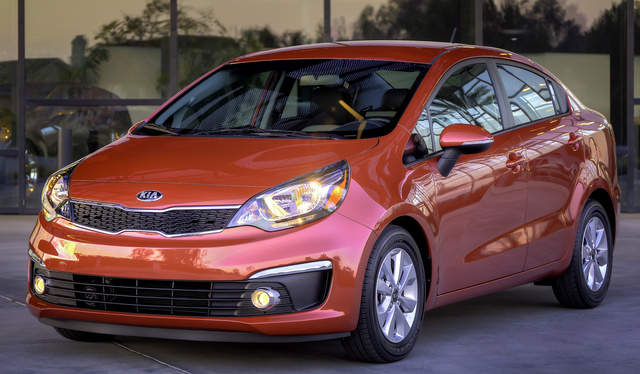
Subcompact Car: 2012 to 2017 Kia Rio
NHTSA Crash Test Score: 4/5 Stars
IIHS Overall Rating: Marginal
IIHS Death Rate: 87/million miles traveled
The Rio sits a rung above the Mirage in the used car pecking order. When Kia gave it a full redesign in 2012, the NHTSA responded with a four-star crash test score. The IIHS assigned it a "Marginal" rating—one step below its top "Good" score in 2014—primarily because the crash test dummy's head made only brief contact with the airbag before moving off to the left. That said, the IIHS confirmed that both the side and torso airbags deployed and provided meaningful protection. Its death rate is noticeably higher than the national average of 36, yet it still ranked as the second lowest among all small cars tracked in the IIHS database. Comparable alternatives exist from Kia's sister brand Hyundai, but overall, the Rio tends to deliver the best combination of value and safety for the money.
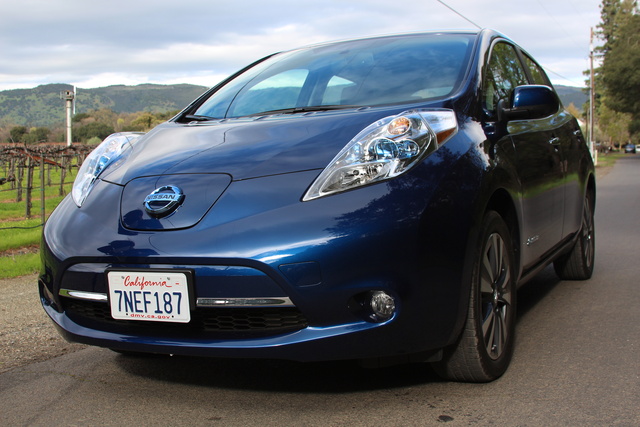
Compact Car: 2011 to 2016 Nissan LEAF
NHTSA Crash Test: 5/5 Stars
IIHS Overall Rating: Poor/Good
IIHS Death Rate: 8/million miles travelled
If your teen's daily driving fits within the roughly 100-mile range of a first-generation LEAF—closer to 78 miles in cold weather with the heater running—this EV makes a surprisingly strong case for itself. These cars typically cost less than equivalent gas-powered alternatives, have demonstrated above-average reliability over the years, and earn solid marks on safety. We chose it over the hybrid Toyota Prius specifically to reduce ongoing maintenance costs and mechanical complexity. The IIHS did dock the LEAF for its frontal overlap crash test result, but it performed well across every other evaluation, and the NHTSA gave it a perfect five-star rating. Perhaps the most striking figure is the death rate: LEAF occupants have experienced roughly 10 percent of the fatalities per million miles traveled compared to Rio drivers. That's a compelling statistic no matter how you look at it.
Read our Nissan LEAF Buying Guide
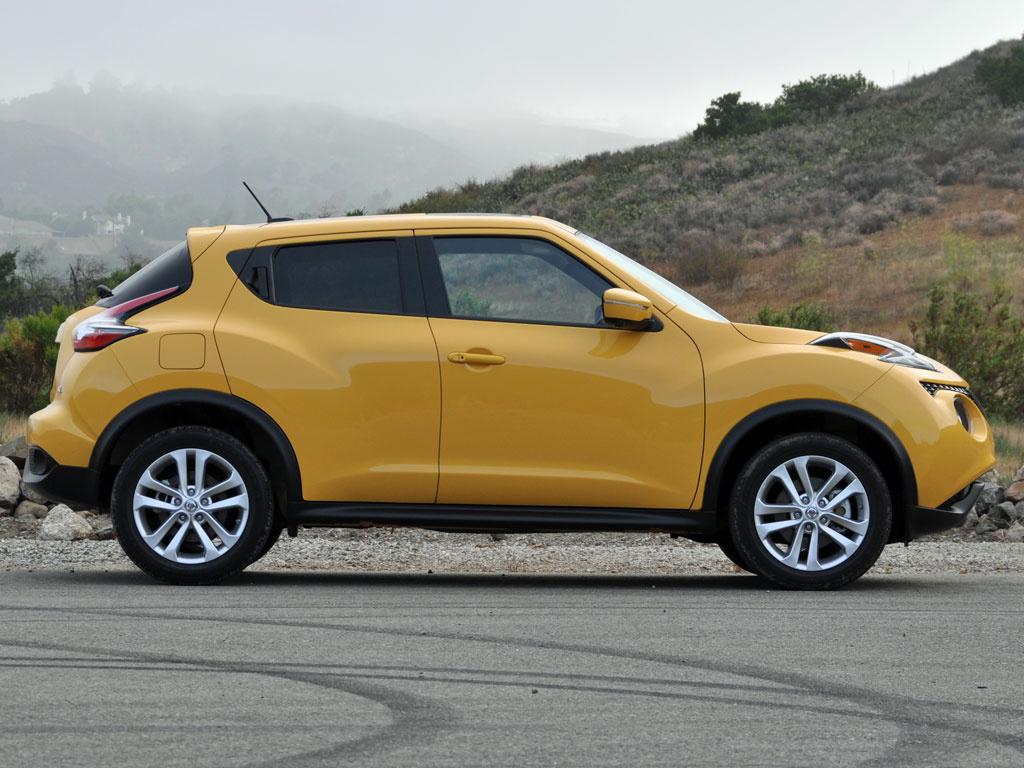
Small SUV: 2011 to 2016 Nissan Juke
NHTSA Crash Test Score: 5/5 Stars
IIHS Overall Rating: Poor/Good
IIHS Death Rate: 15/million miles travelled
Like the LEAF, the Nissan Juke earned a five-star NHTSA crash test rating, stumbled on the IIHS small overlap test, but performed well across the rest of that organization's evaluations. Its real-world death rate of 15 per million miles traveled comes in better than average, according to IIHS figures. One small caveat: pricing can occasionally nudge just past our $8,000 ceiling, though usually only by a small amount—and there's typically room to negotiate. On the running-cost front, the Juke delivers solid fuel economy, which helps keep day-to-day expenses manageable for a teen driver. The Toyota RAV4 is another legitimate contender in this category, but finding a clean example from a comparable model year under $8,000 is becoming increasingly difficult.
Read our Nissan Juke Overview
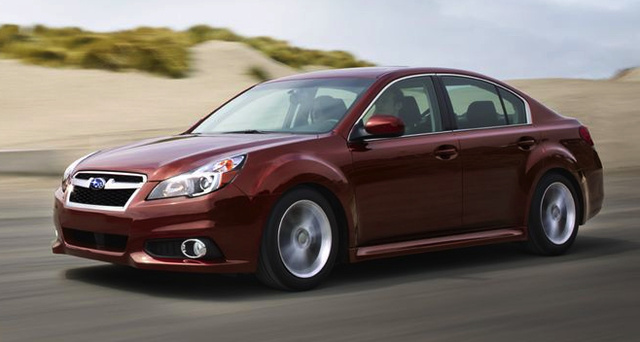
Midsize Car: 2009 to 2014 Subaru Legacy
NHTSA Crash Test Score: 5/5 Stars
IIHS Overall Rating: Good (Top Safety Pick)
IIHS Death Rate: 0/million miles travelled
Here's where the safety credentials start to get genuinely impressive. The fifth-generation Subaru Legacy earned an IIHS Top Safety Pick—the organization's highest honor at the time—and received a five-star rating from the NHTSA. Even more remarkable: the IIHS database recorded zero fatalities for this generation of Legacy, which is an extraordinary result by any standard. For parents whose teen will be driving to a campus where winter weather is a real factor, the all-wheel drive Legacy sedan is a genuinely smart call. The trade-off is that staying under $8,000 will likely mean shopping for older examples, probably with close to 100,000 miles already on the clock. It's also worth noting that everything said here applies to the Outback wagon, though that model tends to carry a price premium—making the Legacy sedan the smarter choice for shoppers watching their budget.
Read our Subaru Legacy Buying Guide
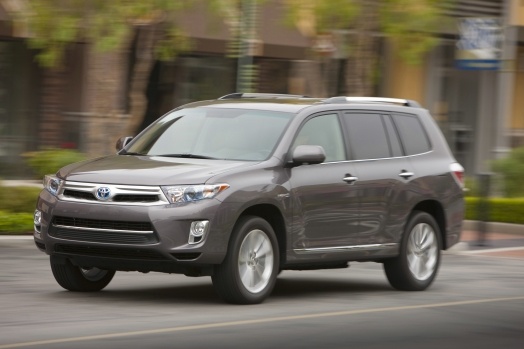
Midsize SUV: 2007 to 2012 Toyota Highlander
NHTSA Crash Test Score: N/A
IIHS Overall Rating: Good (Top Safety Pick)
IIHS Death Rate: 14/million miles traveled
Once you move into midsize SUV territory, you'll need to reach further back in the model year timeline to stay within the $8,000 budget. These second-generation Highlanders earned strong marks from the IIHS, taking home a "Top Safety Pick" award in 2009. The NHTSA tested them as well, though it didn't issue an overall rating for this era. In individual evaluations, the Highlander earned five stars for the front driver's side crash test and both side impact tests, with four stars for the front passenger and rollover categories. Its death rate runs notably higher than the Legacy's, which likely reflects the increased rollover risk that comes with a taller, heavier SUV body style.
Read our Toyota Highlander Buying Guide
Search for Toyota Highlander
See all
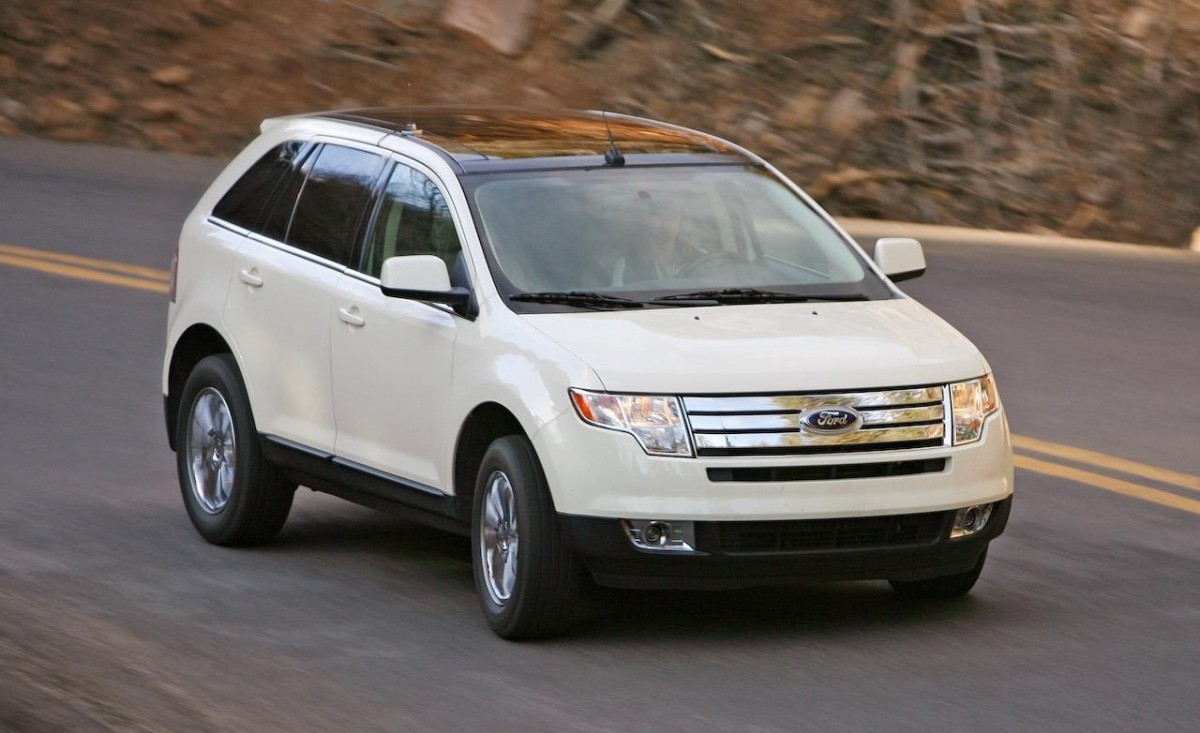
Midsize SUV: 2007 to 2008 Ford Edge
NHTSA Crash Test Score: N/A
IIHS Overall Rating: Good (Top Safety Pick)
IIHS Death Rate: 0/million miles traveled
The 2007 and 2008 Ford Edge put in a strong performance in IIHS crash testing, earning a "Top Safety Pick" designation. It also impressed the NHTSA, collecting five-star ratings for the driver's side front impact and both side crash tests, along with four stars for the front passenger and rollover evaluations. Most significantly, the IIHS database shows zero recorded deaths per million miles traveled for the Edge, placing it among the safest used vehicles you can find at any price point. The fact that it now reliably falls under the $8,000 threshold makes it one of the standout value picks on this entire list.
Read our Ford Edge Overview
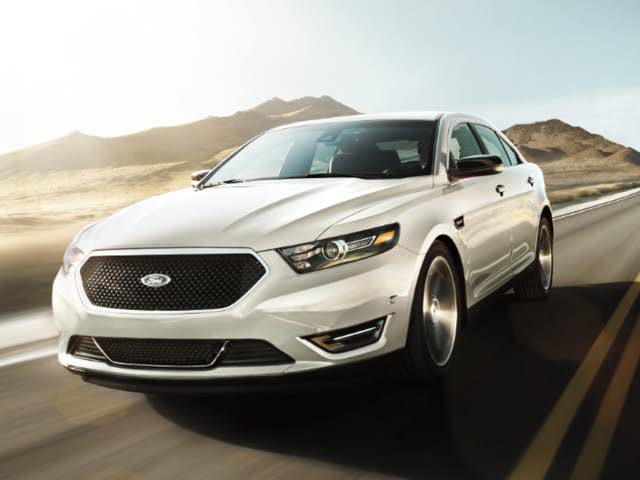
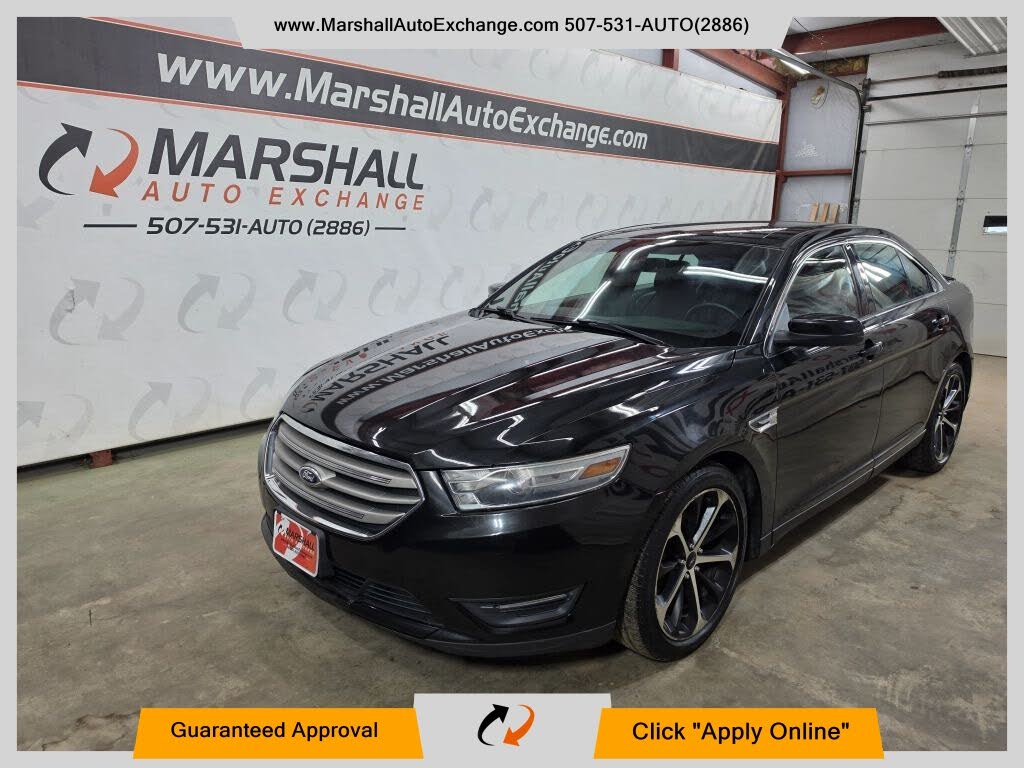
Large Car: 2010 to 2019 Ford Taurus
NHTSA Crash Test Score: 5/5 Stars
IIHS Overall Rating: Good (Top Safety Pick)
IIHS Death Rate: 20/million miles traveled
Nobody ever described the fifth-generation Ford Taurus as thrilling—but that's not the point here. It's a big, well-proportioned sedan with a roomy interior and more space than most teenagers will realistically need. The 2011 model earned a five-star NHTSA crash test rating and topped the IIHS charts with a "Good" score and a "Top Safety Pick" designation. Its overall death rate also comes in below the national average. You'll likely need to shop for examples with over 100,000 miles to stay under the $8,000 mark, but the Taurus has proven itself a genuinely durable vehicle over the long haul. And for what it's worth, it aged considerably more gracefully in terms of styling than rivals like the Chevrolet Malibu and Toyota Camry from the same period.
Read our Ford Taurus Buying Guide
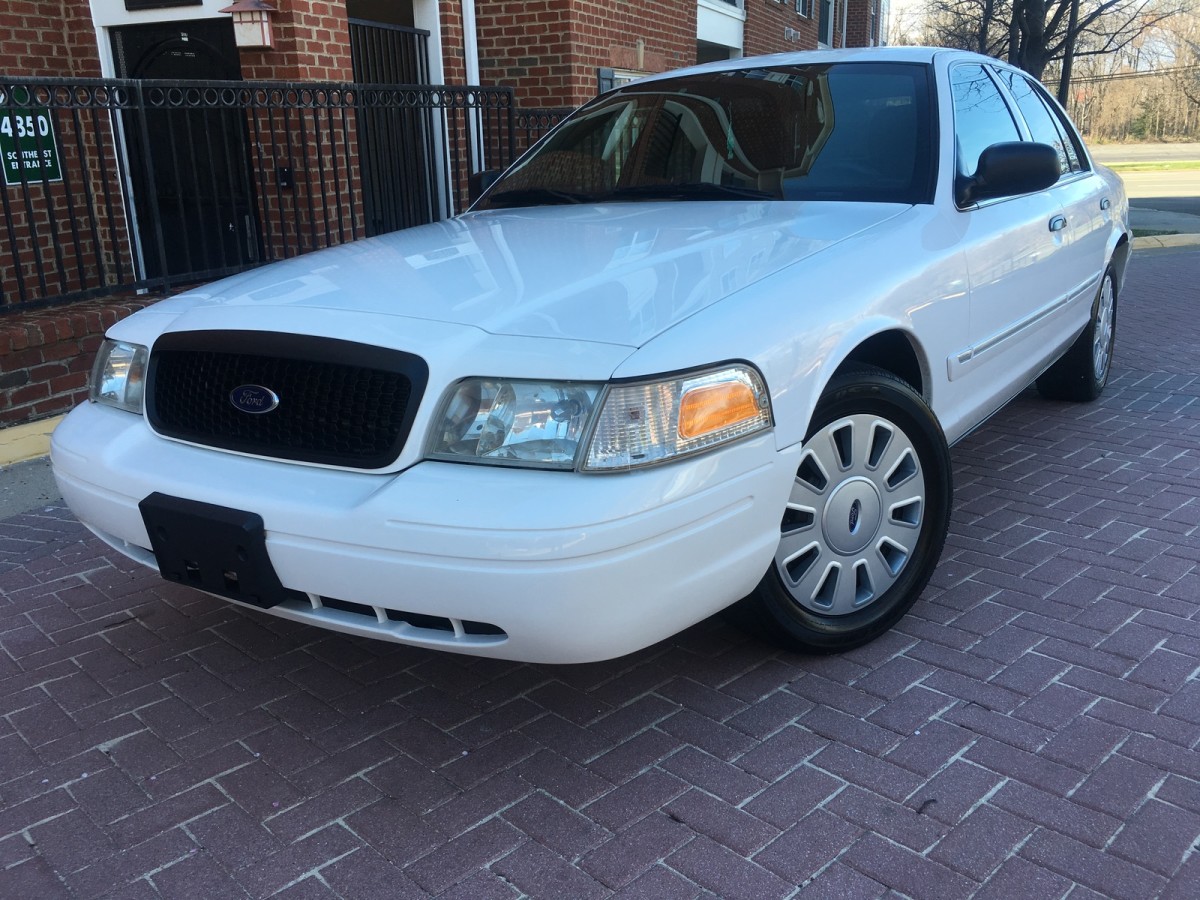
Very Large Car: 2009 to 2011 Ford Crown Victoria
NHTSA Crash Test Score: 5/5 Stars
IIHS Overall Rating: Marginal
IIHS Death Rate: 4/million miles traveled
The ultimate teen cruiser—and honestly, what a great first car. The Crown Vic was never a standout student in the IIHS's increasingly demanding crash test curriculum. Built on a platform rooted in the early 1990s, it consistently earned five-star NHTSA ratings while managing only Marginal scores from the IIHS, particularly for side crash test performance and its dated head restraint and seat design. And yet, despite the millions of Crown Victorias that spent their working lives as taxi cabs and police cruisers, the 2011-era model recorded just 4 deaths per million miles traveled—a genuinely remarkable figure. Pricing varies wildly, from nearly free to well above $15,000 depending on condition and mileage. With some patience, you might even find a Crown Vic LX Sport—complete with floor console and dual exhaust—within the $8,000 budget. Former police department examples can also represent exceptional performance value, though fuel economy will take a noticeable hit.
Read our Ford Crown Victoria Overview
Search for Ford Crown-Victoria
See all
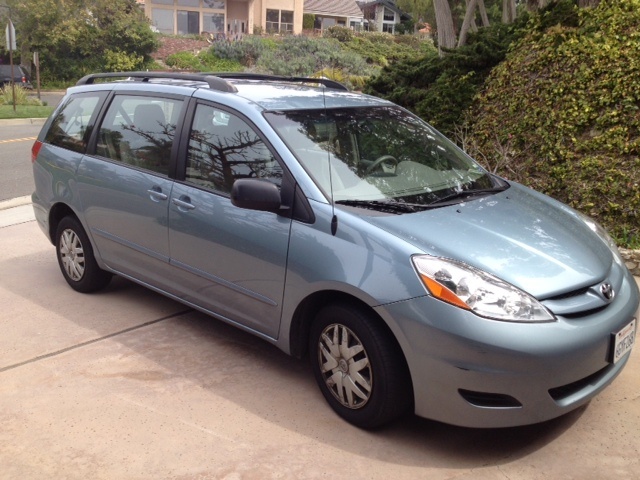
Minivan: 2004 to 2010 Toyota Sienna
NHTSA Crash Test Score: N/A
IIHS Overall Rating: Good/Poor
IIHS Death Rate: 0/million miles traveled
For the teen who's perpetually on the go and always hauling friends, a minivan might actually be the most sensible answer on this entire list. Minivans can match or outperform many crossover SUVs in real-world utility, and with the rear seats folded flat, there's enough cargo room to fit the whole band and every piece of their gear. The 2004 to 2010 generation Sienna earned five stars from the NHTSA in both the side and front passenger crash tests, with four stars for the driver front and rollover evaluations. The IIHS was less enthusiastic, raising concerns about the head restraint design of the era. Even so, these well-proven vans have recorded zero deaths per million miles traveled in IIHS data—a number that makes a compelling argument all on its own.
Read our Toyota Sienna Buying Guide
The Safest Used Cars Under $8,000 for Teens in 2026 FAQs
What is the safest used car for a teenager on a budget?
Several strong options exist under $8,000, but the Subaru Legacy (2009–2014) and Ford Edge (2007–2008) stand out for their combination of IIHS Top Safety Pick awards and zero recorded fatalities per million miles traveled in IIHS data. The Nissan LEAF from 2011 to 2016 is also worth serious consideration, with a death rate of just 8 per million miles — roughly 10 percent of what some comparable small cars record. The right pick ultimately depends on your teen's driving environment, daily range needs, and whether features like all-wheel drive are a priority.
Can you actually find a safe, reliable used car for under $8,000?
Yes — used car prices have come down significantly from their pandemic-era highs, making it genuinely possible to find vehicles with meaningful safety features at this price point. Many cars in this budget still offer airbags, stability control, and in some cases automatic emergency braking and blind spot monitoring. The trade-off is that staying under $8,000 often means accepting higher mileage or reaching further back in the model year timeline, particularly for larger vehicles like midsize SUVs.
Are small cars safe enough for teen drivers?
Subcompact and compact cars are inherently less safe than larger vehicles due to basic physics, but some small cars perform meaningfully better than others in real-world crash data. The Mitsubishi Mirage, for example, records one of the lowest death rates per million miles in its segment, and choosing a smaller, less expensive car allows you to shop for newer model years with more up-to-date safety technology. If budget allows, stepping up to a midsize sedan or SUV will generally offer better crash protection.
Is a minivan actually a good first car for a teen?
It might sound like an unlikely choice, but a minivan like the 2004–2010 Toyota Sienna is genuinely one of the safer and more practical options on this list. The Sienna recorded zero deaths per million miles traveled in IIHS data, earned strong marks in NHTSA crash testing, and offers real-world utility that crossovers struggle to match. The bigger challenge may be convincing your teenager that it's cool — but the safety and practicality case is hard to argue with.
What Makes CarGurus Best Cars Guides Different?
Most car-shopping websites publish lists of the best cars across a variety of categories, with recommendations generally driven by editorial expertise. Here's what makes ours different: In addition to the insights and verdicts of our team of car-testing experts, our best cars guides take into account other factors that we know matter to buyers-real owner experiences and current market value.
Our expert reviewers are among this country's most trusted automotive journalists, also writing for publications including US News and World Report, Edmunds, Digital Trends, J.D. Power, and Car & Driver. They put each car through real-world testing and create detailed reviews of performance in a range of categories, from practicality and driving manners to cost-effectiveness and safety.
We also analyze hundreds of thousands of used car listings on CarGurus.com to track which models consistently offer the highest percentage of best deals relative to how many are listed for sale. Then we factor in reviews from owners-people who actually live with these cars every day. Our proprietary Best Cars algorithm then creates a final Overall CarGurus rating combining expert scores, user reviews, and the percentage of listings that have earned the Good or Great Deal rating. This multi-pronged approach reveals not just which cars excel on paper, but which ones deliver satisfaction and value when you're ready to buy.
The CarGurus market data used in this guide was last updated in July 2026. Values were accurate at time of publication and should be used as a guide only.
Shopping Tools
Related Topics