Few SUVs have built a following as devoted—or as spirited—as the Jeep Wrangler. It's purpose-built for the trail, endlessly customizable, and holds its value better than almost anything else in its class. But when it comes to Jeep Wrangler reliability, the powertrain you choose and the model year on the title can make the difference between a capable daily driver and a recurring repair bill.
Engine type, electrical configuration, and past service history are the three variables that shape how a used Wrangler holds up once the warranty is gone. This guide breaks down the weak spots across generations, tells you which combinations to prioritize, and helps you ask the right questions before you sign anything.
- Jeep Wrangler Engine Reliability: Which Powertrain Holds Up?
- Jeep Wrangler Transmission Reliability
- Drivetrain, Suspension, and Electrical: What Else to Check
- Jeep Maintenance: What It Takes to Keep a Wrangler Running Well
- Jeep Wrangler Reliability by Generation: Which Production Years Are Strongest?
- Is the Jeep Wrangler Reliable Enough?
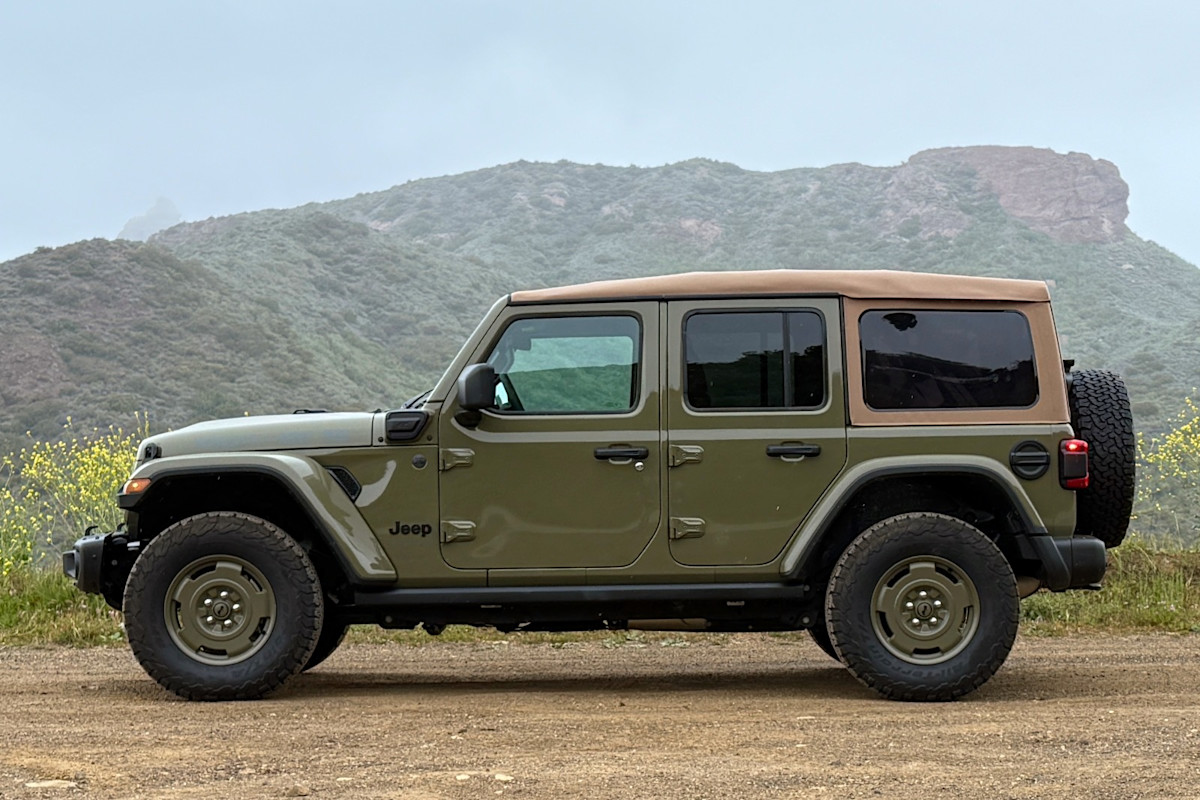
Jeep Wrangler Reliability at a Glance
| Reliability Status | Average — highly capable off-road; pavement-sensitive refinement |
| Most Common Issue | Front suspension looseness and steering oscillation (Death Wobble) |
| Most Common Major Repair | High-voltage hybrid battery cell thermal failure (4xe models) |
| Most Reliable Configuration | 2015–2017 (JK) or 2022–2024 (JL) with 3.6L V6 |
| Average Annual Repair Cost | $694 vs. $521 class average |
Jeep Wrangler Engine Reliability: Which Powertrain Holds Up?
More than any other factor, the engine under the hood determines how reliable a used Wrangler will be over the long haul. The Wrangler has a moderate reliability rating within its segment, and each powertrain has a distinct risk profile—and specific model years where that risk is meaningfully higher than the overall numbers suggest.
Quick Comparison: Wrangler Engine Reliability
| Engine | Best Years | Reliability | Key Trade-Off |
|---|---|---|---|
| 3.6L Pentastar V6 (Gas) | 2015–2017 & 2022–2024 | High | Plastic oil filter adapter housing is susceptible to leaks |
| 2.0L Turbocharged 4-Cylinder | 2020–Present | Above Average | Complex coolant line routing; higher engine bay heat |
| 2.0L 4xe Plug-In Hybrid | 2024–Present | Low | Severe Samsung SDI battery cell defects and fire safety recalls |
3.6L Pentastar V6
For buyers who want a Wrangler they can wheel past 200,000 miles without major mechanical drama, the naturally aspirated 3.6L Pentastar V6 is the right place to start. It's a straightforward engine with a deep parts ecosystem and a service network that covers it everywhere—on or off the beaten path.
- Rocker Tick (2012–2014): Early JK V6s built through 2014 had a documented tendency to develop a rocker arm tick at cold start. The issue largely resolved itself as the engine warmed up, but it's worth listening for on any high-mileage JK from these years before committing.
- Oil Filter Housing Leak: The plastic oil filter adapter housing on the 3.6L is a known failure point around 100,000 miles. When it fails, it can drip oil onto hot exhaust components. Replacement parts are inexpensive and widely available, but it's worth confirming it's been addressed on any Wrangler you're considering.
- The Sweet Spot: The 2015–2017 JK and 2022–2024 JL are the years to target. By 2015, the early casting concerns had been addressed and the engine reached its peak production maturity. On the JL side, 2022 and newer models benefit from resolved first-gen electrical glitches and frame weld refinements.
2.0L Turbocharged 4-Cylinder
Introduced with the JL generation, the 2.0L turbocharged four-cylinder offers strong low-end torque that translates well to technical trail driving. The trade-off is added mechanical complexity compared to the V6.
- Cooling Circuit Complexity: The 2.0T runs an independent low-temperature coolant loop specifically for the turbocharger and intercooler. The additional lines, fittings, and a supplemental electric water pump add more points of potential failure compared to the V6's simpler system. A thorough pre-purchase inspection of the coolant lines and turbo plumbing is recommended on any used 2.0T Wrangler.
- Best Years: 2020 and newer examples represent the most settled production window for this engine. Give earlier 2018–2019 units additional scrutiny, particularly around the cooling system.
2.0L 4xe Plug-In Hybrid
The Wrangler 4xe delivers impressive electric-assisted trail capability, but early production models carry a safety risk that cannot be overlooked.
- Critical Recall — NHTSA Campaign 25V-741: A 2025 recall covers 2020–2025 Wrangler 4xe models for high-voltage battery separator defects linked to Samsung SDI cells. The defect can cause internal short circuits that may result in battery thermal events—including fire. Before purchasing any 4xe Wrangler in this range, verify the VIN at NHTSA.gov to confirm battery pack replacement or updated safety software has been completed at a Jeep dealer.
- 2024+ (Refined Production): Stellantis has addressed component sourcing for newer builds, but long-term data on 4xe reliability is still accumulating. Used buyers should exercise significant caution on any 4xe from 2020–2023, and at minimum, confirm recall completion on any 4xe in the 2020–2025 range.
Related Reading: Want to know which Wrangler engines hold up best over time? See the Jeep Wrangler Engine Longevity Guide for a complete breakdown by powertrain.

Jeep Wrangler Transmission Reliability
The Wrangler's transmission setup is straightforward for most buyers: the 5-speed and 8-speed automatics are strong, proven units. The 6-speed manual is a different story—and one that requires a closer look before signing.
Quick Comparison: Wrangler Transmissions
| Transmission | Common Years | Engine Pairing | Reliability Verdict | Notes |
|---|---|---|---|---|
| 5-Speed Automatic | 2012–2017 | 3.6L V6 | High | Mercedes-derived; remarkably robust |
| 8-Speed Automatic | 2018–Present | 3.6L V6 / 2.0T | High | ZF architecture; exceptionally durable |
| 6-Speed Manual | 2018–2023 | 3.6L V6 | Mixed | Severe pressure plate fracturing recalls |
The 6-Speed Manual
For buyers drawn to the manual Wrangler's authentic driving feel, one specific mechanical failure demands attention before any purchase.
- The Red Flag: In 2018–2023 Wranglers equipped with the 6-speed manual, friction-induced overheating can cause the clutch pressure plate to fracture. In documented cases, the fractured plate has punctured the transmission bellhousing—creating a safety hazard that goes well beyond a routine clutch replacement.
- The Fix: Jeep issued a dealer retrofit program covering a redesigned pressure plate assembly along with corresponding PCM and instrument cluster software reflashes. Verify completion of this fix directly with the seller, and confirm via a VIN check before making any decision on a 2018–2023 manual Wrangler.
- Buyer Tip: Ask directly: "Has the pressure plate replacement been completed per Jeep's recall?" Request documentation. If the seller cannot provide it, treat the transmission as unrepaired.
The 8-Speed and 5-Speed Automatics
Both automatic options in the Wrangler lineup have earned strong durability reputations through real-world high-mileage use.
- The 8-Speed ZF: The 8HP ZF automatic that arrived with the JL generation is the gold standard for smooth pavement performance and trail capability. It's a proven platform used across Stellantis and other manufacturer lineups, and it handles the Wrangler's demanding duty cycle—including repeated high-load low-speed crawling—without significant complaint.
- The 5-Speed Mercedes-Derived: The automatic carried over through the JK generation has a well-established track record. With regular fluid changes, these units routinely pass 200,000 miles without significant issues.
Drivetrain, Suspension, and Electrical: What Else to Check
Solid Axles and the Death Wobble
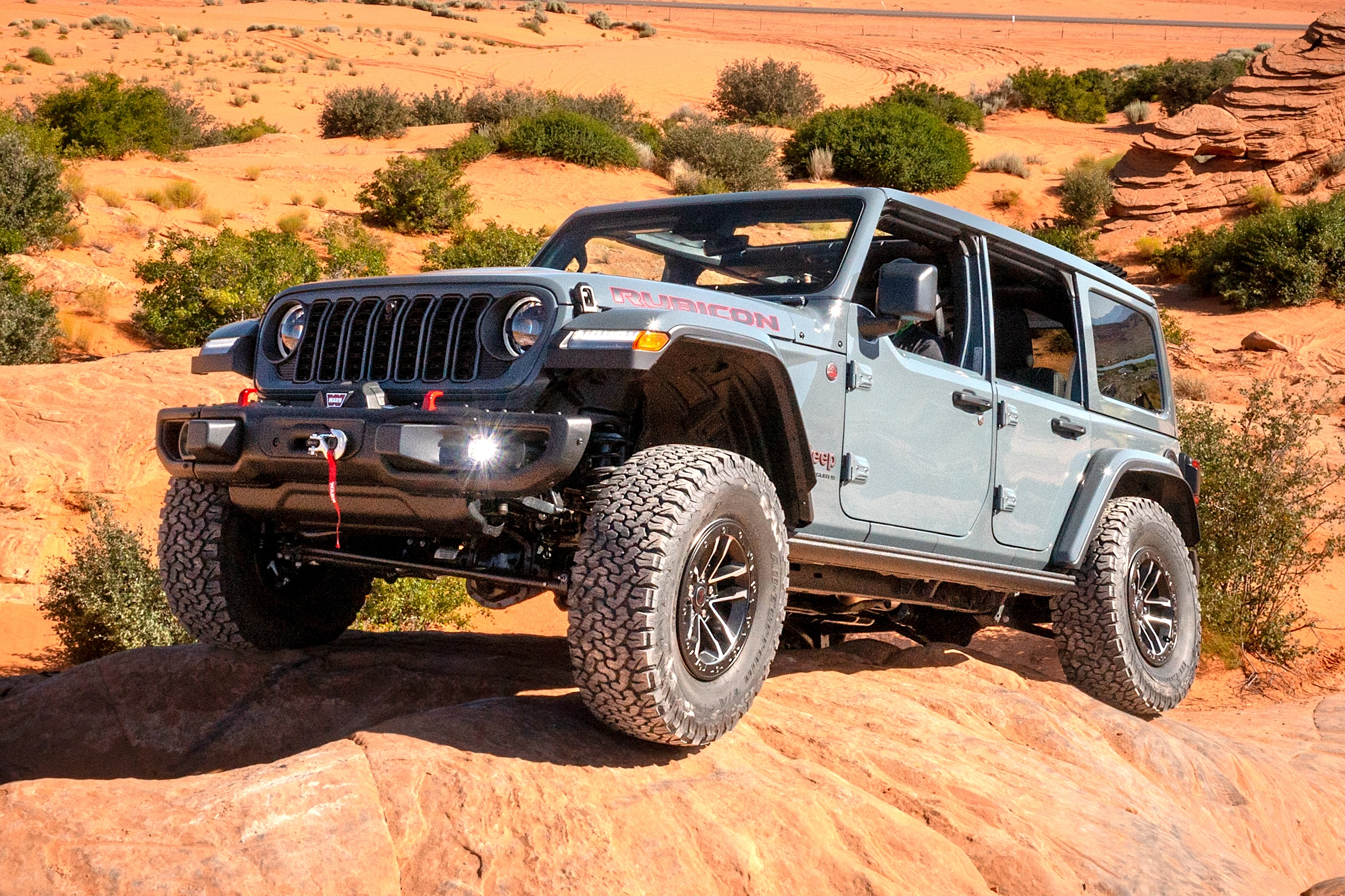
The Wrangler's solid front axle is the source of its off-road superiority—and the origin of its most notorious reputation, the "Death Wobble." Despite the alarming name, it's a manageable maintenance issue rather than a fundamental design defect.
Death Wobble presents as a violent front-end shudder that typically triggers at highway speeds after hitting a bump or expansion joint. The root causes are consistent: an untorqued or worn track bar, degraded ball joints, or a failing steering dampener.
On any used Wrangler with over 80,000 miles, budget a pre-purchase inspection that specifically covers the front suspension geometry and torque specs.
Steering Gear Boxes and Sway Bar Disconnects
The Wrangler's heavy-duty suspension is built for the trail, but these two specific components are prone to premature wear and failure:
- Steering Gear Box Wander (Early JL): First-generation JL Wranglers (2018–2020) had documented issues with the aluminum steering gear box, causing highway wander and an imprecise feel. Many owners and dealers addressed this with an upgraded steel gearbox. Confirm whether any early JL you're considering has had this swap performed.
- Electronic Sway Bar Disconnect (Rubicon Models): Rubicon-trim Wranglers feature an electronically controlled front sway bar disconnect for improved off-road articulation. The actuator motor and associated wiring are exposed to moisture and trail debris, making them vulnerable to corrosion over time. On any high-mileage Rubicon, confirm the disconnect system is functioning correctly before purchase.
Electrical Networks and Infotainment
The shift to modern tech introduced complex electrical networks to the JL platform, making these two weak points essential to inspect:
- Dual-Battery System (JL Generation): JL Wranglers equipped with the stop-start system run a dual 12V battery configuration: a primary battery for starting and a secondary battery for the stop-start function. When the secondary battery degrades—which it typically does around 60,000–80,000 miles—it can cascade into excessive drain on the primary battery, leading to no-start events and random Uconnect screen blackouts. On any used JL, check the age and condition of both batteries.
- Uconnect Software Glitches: Early JL infotainment units had a documented tendency to freeze or reboot unexpectedly. Jeep addressed this through software updates—confirm that any 2018–2020 JL has the latest available software version installed.
Jeep Wrangler Maintenance: What It Takes to Keep a Wrangler Running Well
A Wrangler with a documented service history is a fundamentally different purchase than one without—even if the odometer reads the same. Off-road use accelerates wear on drivetrain fluids and suspension components in ways that highway miles never would. Deferred maintenance on these systems is the most common driver of expensive repairs on high-mileage Wranglers.
| Service | Why It Matters | Recommended Interval |
|---|---|---|
| Oil changes | The Pentastar V6's valve train and piston rings depend on clean oil. Stretching intervals is the leading cause of early wear on high-mileage engines. | Every 5,000–7,500 miles, full synthetic |
| Front & rear differential fluid | Water crossings and trail use push moisture into differential housings faster than highway driving ever would. Contaminated fluid accelerates gear and bearing wear. | Every 30,000 miles (or after any significant water crossing) |
| Transfer case fluid | The NV241 and Rubicon-spec NV241OR transfer cases depend on clean fluid for smooth 4WD engagement and long-term durability. | Service at 60,000 miles |
| Front track bar & suspension torques | Loose or worn track bar hardware is the most common trigger for Death Wobble. Re-torquing is a low-cost preventive step that avoids expensive suspension damage. | Re-torque every 20,000 miles |
| Cooling system flush | Degraded coolant accelerates corrosion inside the 2.0T's supplemental cooling circuit and can cause water pump wear on V6 engines. | Every 100,000 miles |
Jeep Wrangler Repair Costs
According to RepairPal, the Wrangler averages $694 in annual repair costs—higher than the $521 class average, which reflects the complexity of its 4WD system and off-road-focused engineering. The bright side is that the Wrangler's massive aftermarket means parts availability is exceptional, and a large community of specialized shops and independent mechanics is experienced with its common service needs.
Wrangler Reliability by Generation: Which Years Are Strongest?
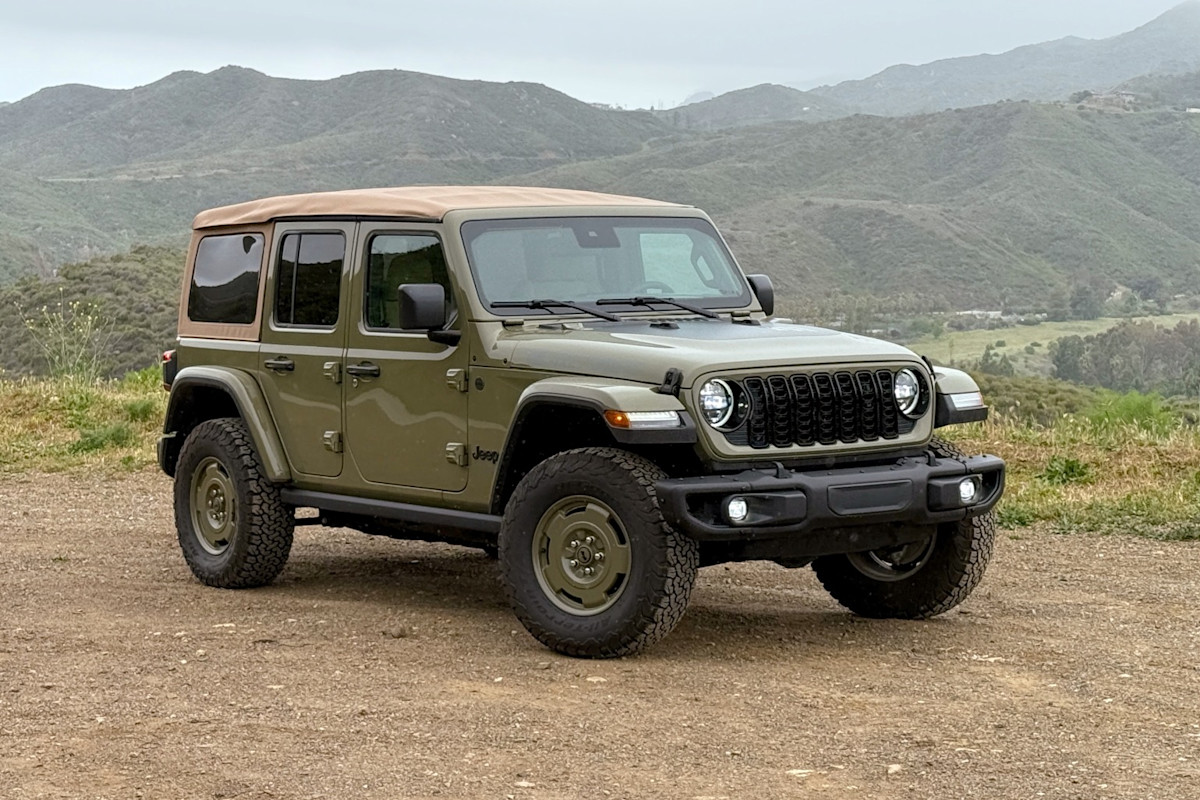
Wrangler reliability has remained competitive across both the JK and JL generations, but the specific risks have shifted as Jeep introduced new powertrains and technology. Here's a practical overview for used buyers:
Quick Comparison: Wrangler Generations
| Generation | Best Years | Strengths | Watch Out For |
|---|---|---|---|
| JK Gen (2007–2018) | 2015–2017 | Mechanical simplicity; proven 3.6L V6; widely serviced | 2012–2014 rocker tick; 2018 manual pressure plate recall |
| JL Gen (2018–Present) | 2022–2024 | Superior daily comfort; 8-speed ZF; standard safety tech | 2018–2021 steering gear box wander; 4xe battery recall (2020–2025); manual pressure plate (2018–2023) |
Related Reading: Reliability can vary significantly by year. For guidance on which specific model years to prioritize or skip, read our Jeep Wrangler Buying Guide.
Is the Jeep Wrangler Reliable Enough?
The Jeep Wrangler is a capable, durable SUV that rewards buyers who choose the right configuration and maintain it properly. Its massive aftermarket parts ecosystem keeps ownership costs manageable, and its strong residual value means a well-maintained example holds its worth better than almost anything else in its class.
The Wrangler's reliability story comes down to three decisions: choose the 3.6L V6 with an automatic transmission, verify any applicable recall completion—especially on 4xe and manual variants—and prioritize a documented service history over low mileage. A Wrangler that's been regularly serviced and properly recalled is a far stronger investment than one with fewer miles and no paperwork.
Ready to start shopping? Browse used Jeep Wrangler listings on CarGurus to compare vehicle history reports and Instant Market Values side by side—so you can find a well-maintained trail-ready SUV at a fair price.