For many driving enthusiasts, the appeal of a supercar lies in its dramatic styling, blistering acceleration, and the sheer sense of occasion it delivers every time you get behind the wheel. However, traditional exotics often come with multi-hundred-thousand-dollar price tags and punishing maintenance costs that make them difficult to justify, let alone live with on a regular basis. Fortunately, the modern automotive market offers a compelling alternative: vehicles that provide exotic-level thrills and head-turning presence for a fraction of the cost. These "cheap supercars" under $100,000 allow you to experience world-class performance without entirely sacrificing your budget or your peace of mind.
Whether you are looking for a dedicated weekend toy or a high-performance daily driver, this price bracket is filled with diverse and exciting options. You will find everything from mid-engined American icons and classic V8 muscle cars to sophisticated German performance coupes and boundary-pushing electric luxury sedans. These vehicles are engineered to deliver scalpel-like handling and massive power on a back road, yet many still offer the modern technology, comfortable ride qualities, and practical cargo space needed for the daily commute. If you want the supercar experience without the traditional supercar compromises, these attainable performance machines are ready to deliver.
CarGurus expert rating: 8.2 out of 10 CarGurus user rating: 4.7 out of 5 Percentage of Good and Great Deals available on CarGurus: 25.0% Overall CarGurus rating: 4.6 out of 5
Pros
Cons
Powerful acceleration
Cramped cockpit
Sharp handling
Lacks modern advanced safety features
Easy-to-use technology
Confusing cockpit layout
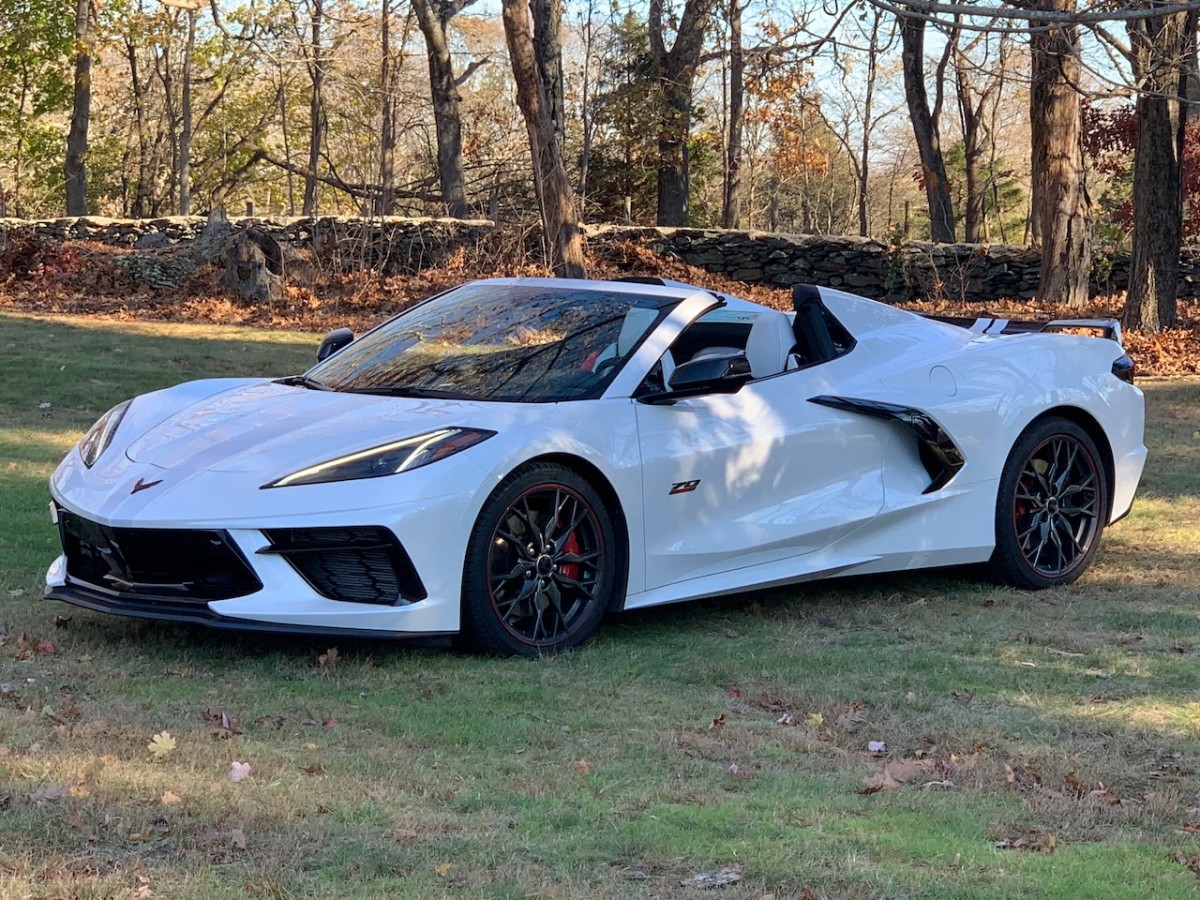
If you want head-turning looks and mid-engine balance without the supercar price tag, the Corvette Stingray fits the brief. Its 6.2-liter V8 makes 490 hp and 465 lb-ft of torque (or 495 hp and 470 lb-ft with the optional Performance Exhaust), sent to the rear wheels through an eight-speed dual-clutch automatic. With the popular Z51 Performance Package, acceleration is genuinely exotic-car quick, and the Corvette’s drive modes help it play more than one role—sharp and track-ready in Sport/Track, but calmer and easier to live with in Tour for commutes and highway miles.
It’s also more road-trip-friendly than many cars in this price and performance neighborhood, thanks to dual cargo areas and 12.6 cubic feet of total storage that can handle a weekend’s worth of bags. The cabin is dramatic and driver-focused, though it can feel tight and its “wall of buttons” layout takes time to learn, and taller drivers may find the fit tricky—especially with the convertible top up. Tech is a strong point: The standard 8-inch touchscreen with wireless Apple CarPlay and Android Auto is straightforward, but advanced driver-assistance tech is the big miss here, as features like forward-collision avoidance and adaptive cruise control aren’t offered (blind-spot monitoring and rear cross-traffic alert require stepping up to 2LT).
The CarGurus Verdict:"In redesigning the Corvette with a mid-engine layout, Chevrolet cemented it as the definitive American supercar, as well as one of the true affordable supercars." - George Kennedy
CarGurus expert rating: 7.8 out of 10 CarGurus user rating: 4.6 out of 5 Percentage of Good and Great Deals available on CarGurus: 33.2% Overall CarGurus rating: 4.6 out of 5
Pros
Cons
Stylish design
Irritating transmission
Great ride quality
Sluggish performance
Impressive technology
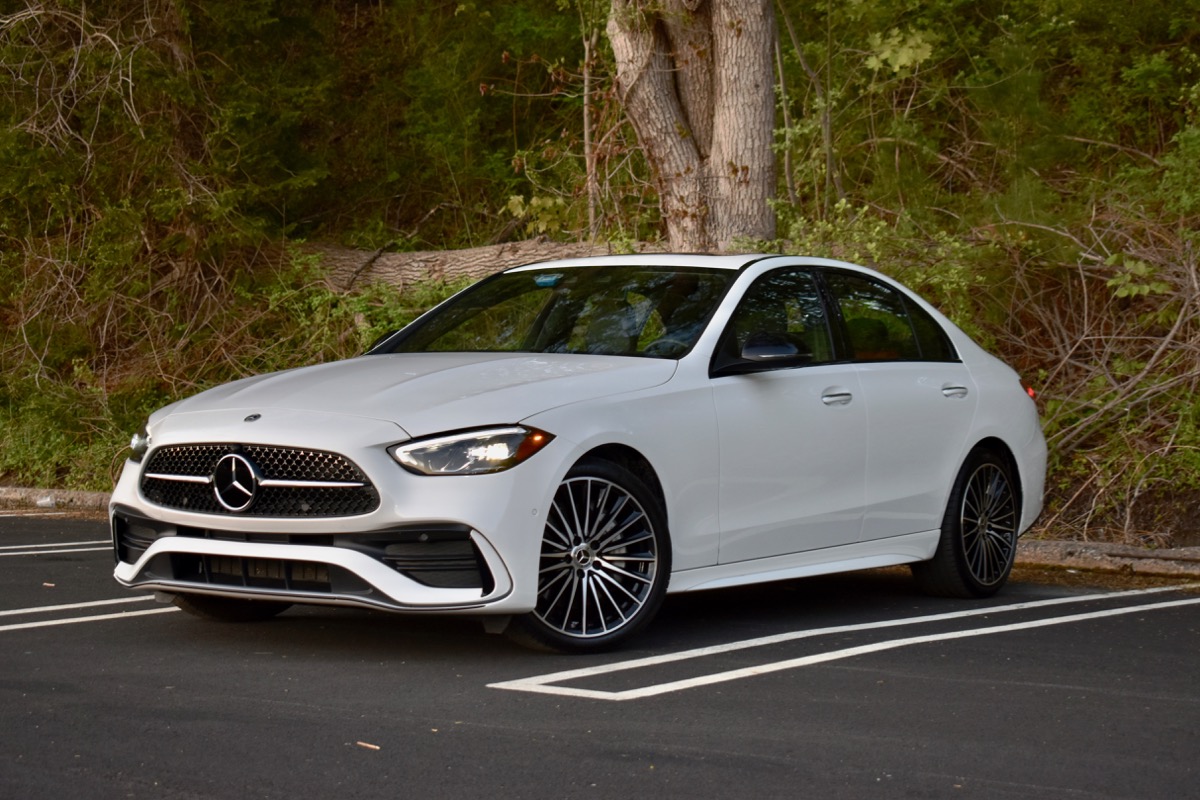
Where a mighty, 4.0-liter twin-turbo V8 used to flourish in this muscular C-Class trim now lives a single-turbo, 2.0-liter four-cylinder-interestingly, the same one found in the Lotus Emira Turbo. But here's the thing: This legendary AMG entry is still epic fun to drive, and it's still well under our budget even if purchased brand new.
Attached to Mercedes’ latest plug-in hybrid technology, this rousing powerplant puts out a combined 671 hp and 752 lb-ft of torque. This is thanks to a 16-kWh battery, plus an electric motor situated on the rear axle. With help from a nine-speed automatic gearbox, the AMG C63 S E Performance will reach 60 mph in just 3.3 seconds. It’s by far the fastest C63, ever.
But here’s the rub: It’s heavy. Granted, it may have enough power to slow the earth’s rotation, but you do feel its heft in the twisties. Still, this mighty AMG is incredibly well composed, and since there are only four cylinders, a turbo, and a very complex cooling system at the front end, steering feels quite direct and sharp. We never thought we’d call a very heavy sedan’s handling "sharp."
Then, if you’re open-minded when it comes to engine and exhaust tones, the mighty turbo-four under the C63's hood makes a very angry and raspy baritone roar. It’s no V8, but it’s still quite entertaining. Plus, it delivers excellent fuel economy and even a short electric-only range.
The CarGurus Verdict:"Luxury cars can often feel like nothing more than a laundry list of features. The C-Class felt like something more." - Stephen Edelstein
CarGurus expert rating: 7.2 out of 10 CarGurus user rating: 4.6 out of 5 Percentage of Good and Great Deals available on CarGurus: 30.6% Overall CarGurus rating: 4.5 out of 5
Pros
Cons
Powerful engine
Cramped back seat
Great handling
Not much cargo space
Excellent value for money
Noisy
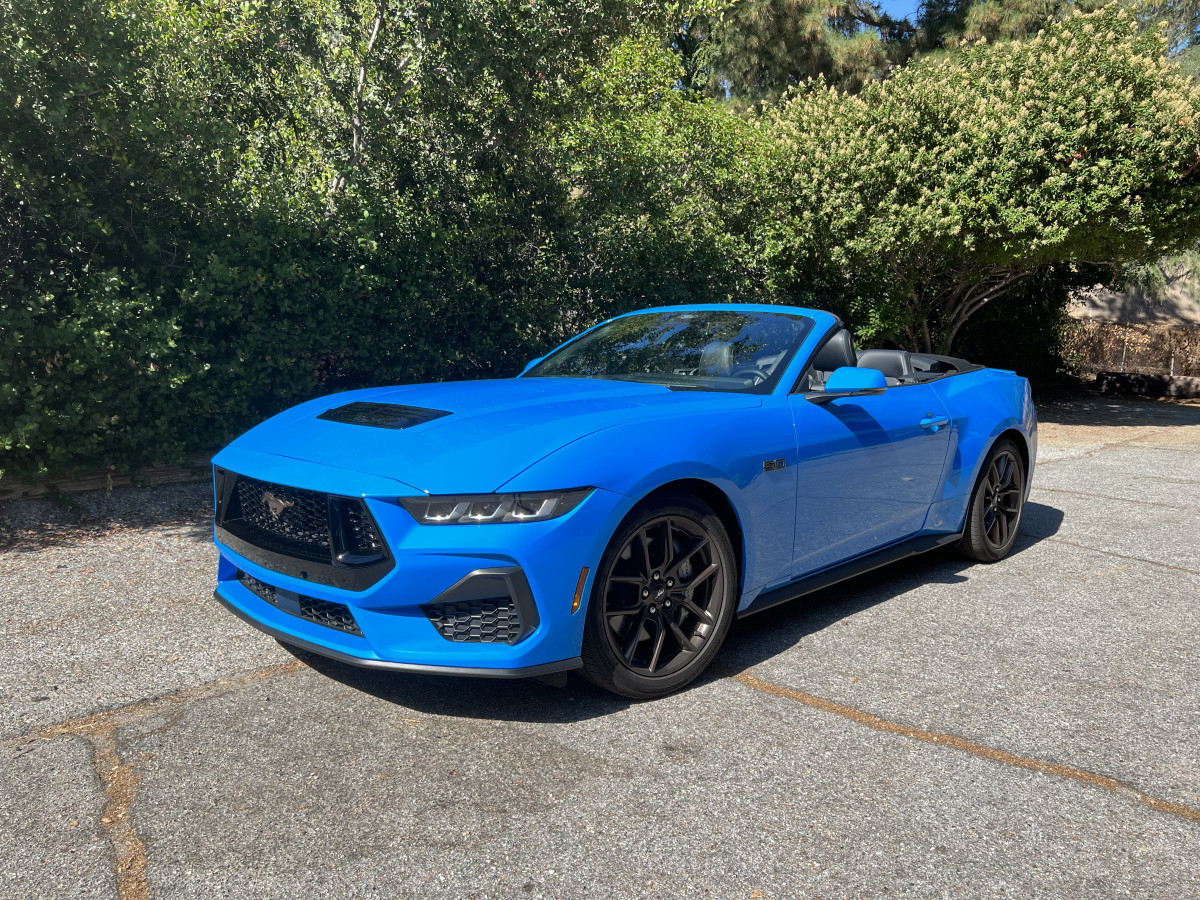
The Ford Mustang delivers the classic long-hood, rear-drive recipe with enough power to feel properly special on a back road. The base 2.3-liter turbo EcoBoost makes 315 hp and 350 lb-ft of torque with a 10-speed automatic, but we're here to talk about the Dark Horse. It offers 500 hp from the 5.0-liter Coyote V8, and it starts at under $70,000.
This generation of the Mustang also brings a more modern cabin to match the performance, with a standard 13.2-inch infotainment touchscreen and a digital instrument cluster running Sync 4, plus Apple CarPlay and Android Auto. Practicality is still sports-car tight: rear seats are cramped, and cargo space tops out at 13.3 cubic feet in the Fastback (10.3 cubic feet in the Convertible), though that’s workable for a weekend trip. Safety tech like automatic emergency braking and blind-spot monitoring is standard, and pricing helps keep it in “attainable exotic” territory—starting at $32,515 for an EcoBoost and $44,090 for a GT, with convertibles and higher trims climbing from there.
The CarGurus Verdict:"The Ford Mustang returns for a final tour as its primary rivals head to retirement. This seventh-generation pony car is based on its predecessor but receives numerous upgrades that significantly improve its interior and technology. For fun on a budget, it's difficult to beat a Mustang, and this newest version continues the tradition with a healthy dose of nostalgia." - Mark Takahashi
CarGurus expert rating: 8.3 out of 10 CarGurus user rating: 5 out of 5 Percentage of Good and Great Deals available on CarGurus: 30.3% Overall CarGurus rating: 4.4 out of 5
Pros
Cons
Blistering acceleration and scalpel-like handling
Stiff ride in normal driving
Functional cockpit and an actually-usable trunk
Bit of effort to enter/exit the vehicle
Easy-to-use technology
Styling is not for everyone
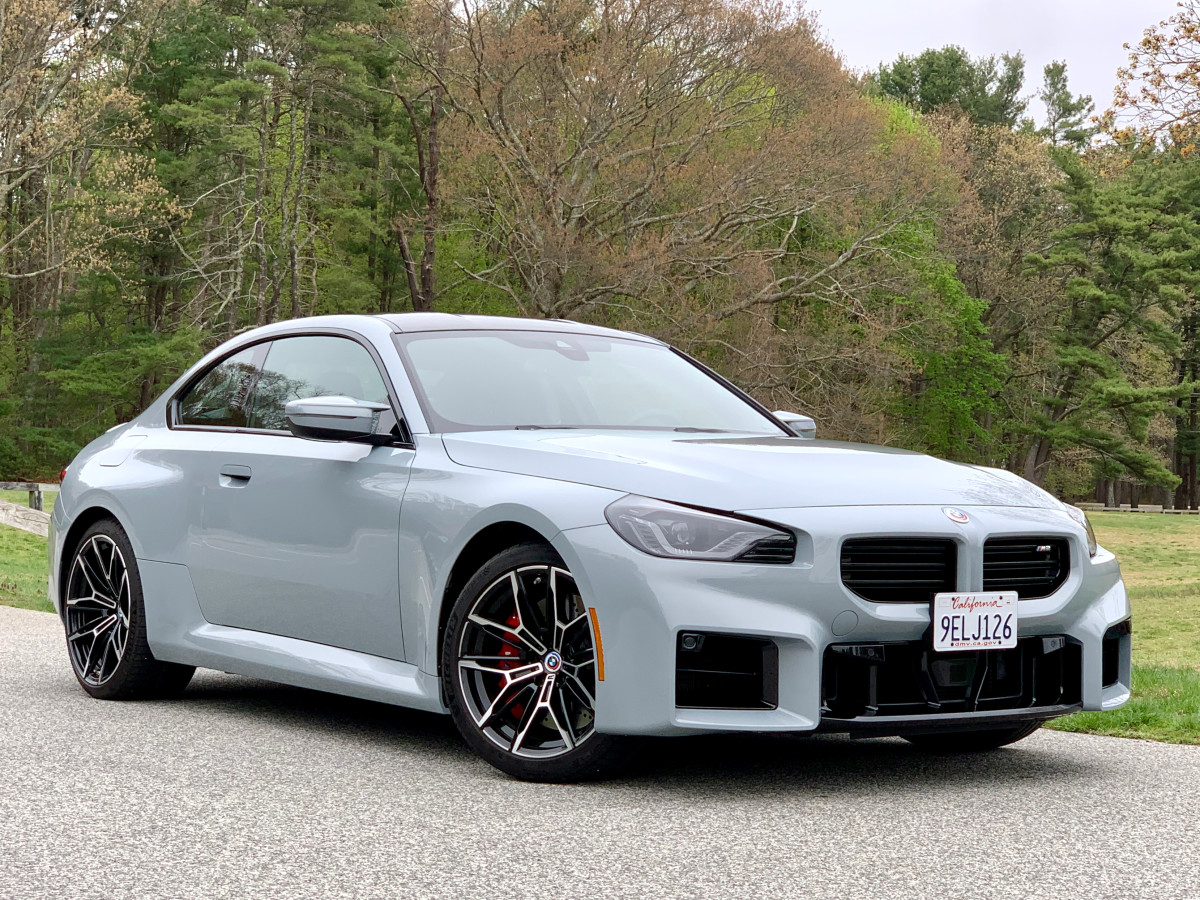
The BMW M2 leans on muscle and response rather than exotic theatrics. Its twin-turbo 3.0-liter inline-six makes 453 hp and 406 lb-ft of torque, sent to the rear wheels through either a six-speed manual or an eight-speed automatic (no upcharge either way). In automatic form, it’s good for a 3.9-second 0–60 mph run, and it backs that up with serious cornering composure thanks to an Active M limited-slip differential, big M Compound brakes, and Michelin Pilot Sport 4S tires. The tradeoff is that even in its milder drive settings, the suspension is very stiff for everyday pavement.
It also does the daily-driver part better than many performance coupes at this price point, which matters if you want one car that can do the commute and the weekend blast. The cockpit is functional, iDrive 8 is quick to learn (with a rotary controller and a real volume knob), and standard safety tech includes automatic emergency braking and blind-spot monitoring. There’s usable back seating for shorter trips and a legitimately practical 14-cubic-foot trunk, plus split-folding rear seats for longer items. Fuel economy is predictably thirsty at 19 mpg combined (premium fuel required), and the bold, polarizing styling and the effort it can take to climb past heavy seat bolstering are part of the ownership reality.
The CarGurus Verdict:"To automotive enthusiasts, a sports car like the BMW M2 is special. The modern car market is marching away in multiple directions from the purist driving experience. Be it autonomy or electrification, that driver-meets-car connection you get from a rear-wheel-drive, straight-six internal-combustion performance machine is feeling more and more like an endangered species." - George Kennedy
CarGurus expert rating: 7.8 out of 10 CarGurus user rating: 5 out of 5 Percentage of Good and Great Deals available on CarGurus: 40.0% Overall CarGurus rating: 4.4 out of 5
Pros
Cons
Impressive electric range
Sapphire trim's interior disappoints
Fun to drive
Unintuitive controls to adjust basic features
Stylish design
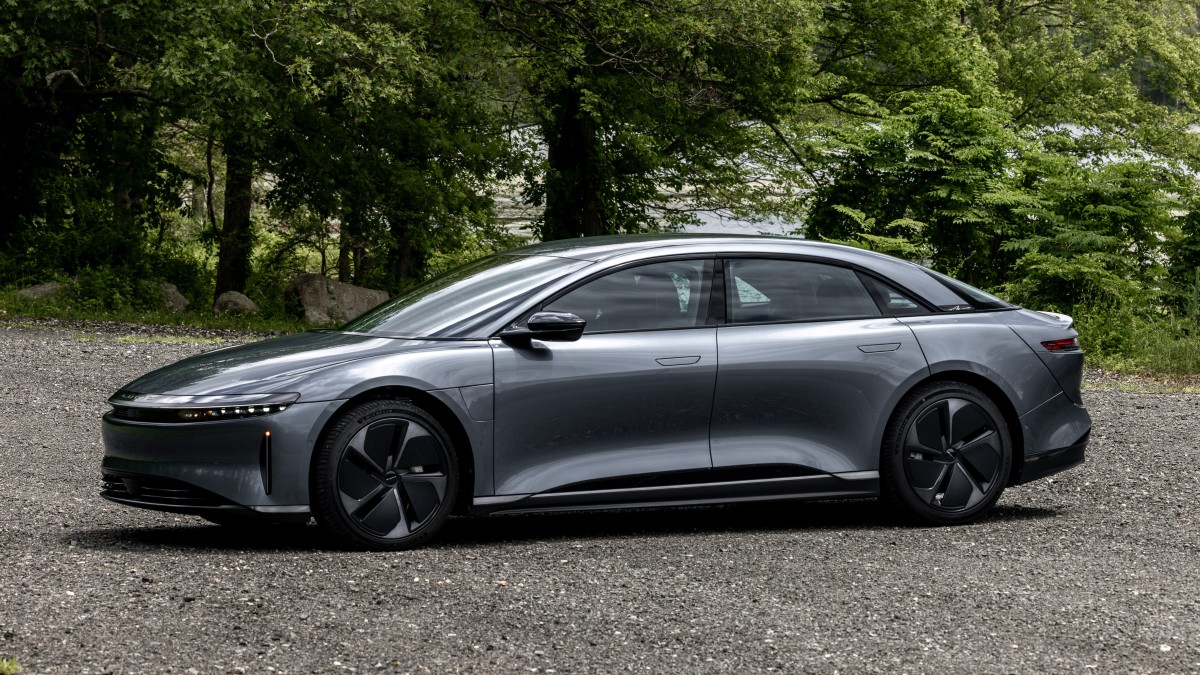
The Lucid Air delivers a supercar-like thrill in a full-size luxury sedan shape. The Pure is the budget-friendly play, with 430 hp and an estimated 410 miles of range, b but it's the Touring that earns the spot on this list. It ups the punch to 620 hp and keeps similar range (411 miles), giving you the kind of instant, effortless acceleration that makes quick back-road passes feel almost unfair, at a new-car price well below $100k. The wild-card Sapphire (1234 hp) is far beyond this article’s budget, but it provides useful context for how serious the Air’s engineering is, especially in ride quality and high-speed composure.
Day to day, the Air feels more like a real luxury sedan than a science project, with a clean, high-end cabin and screens that don’t dominate the entire dashboard. It’s also genuinely practical for a “cheap supercar” alternative: Lucid cites 22.1 cubic feet of total cargo space plus a 9.9-cubic-foot frunk, though the rear opening design can make the full capacity harder to use. The tradeoffs are worth knowing before you shop: visibility isn’t great thanks to the steep pillars and small windows, some basic adjustments (like mirrors and steering column) are buried in touchscreen menus, and U.S. crash-test ratings aren’t available yet, even though the driver-assistance suite includes features like automatic emergency braking and adaptive cruise control.
The CarGurus Verdict:"With speed, style, and superior range, the Lucid Air is a luxury sedan that doesn't need to make excuses as an electric car." - Clifford Atiyeh
CarGurus expert rating: 8.3 out of 10 CarGurus user rating: 4.7 out of 5 Percentage of Good and Great Deals available on CarGurus: 26.5% Overall CarGurus rating: 4.3 out of 5
Pros
Cons
Stylish design
Cramped back seat
Multiple body styles
Outdated technology
Powerful engine
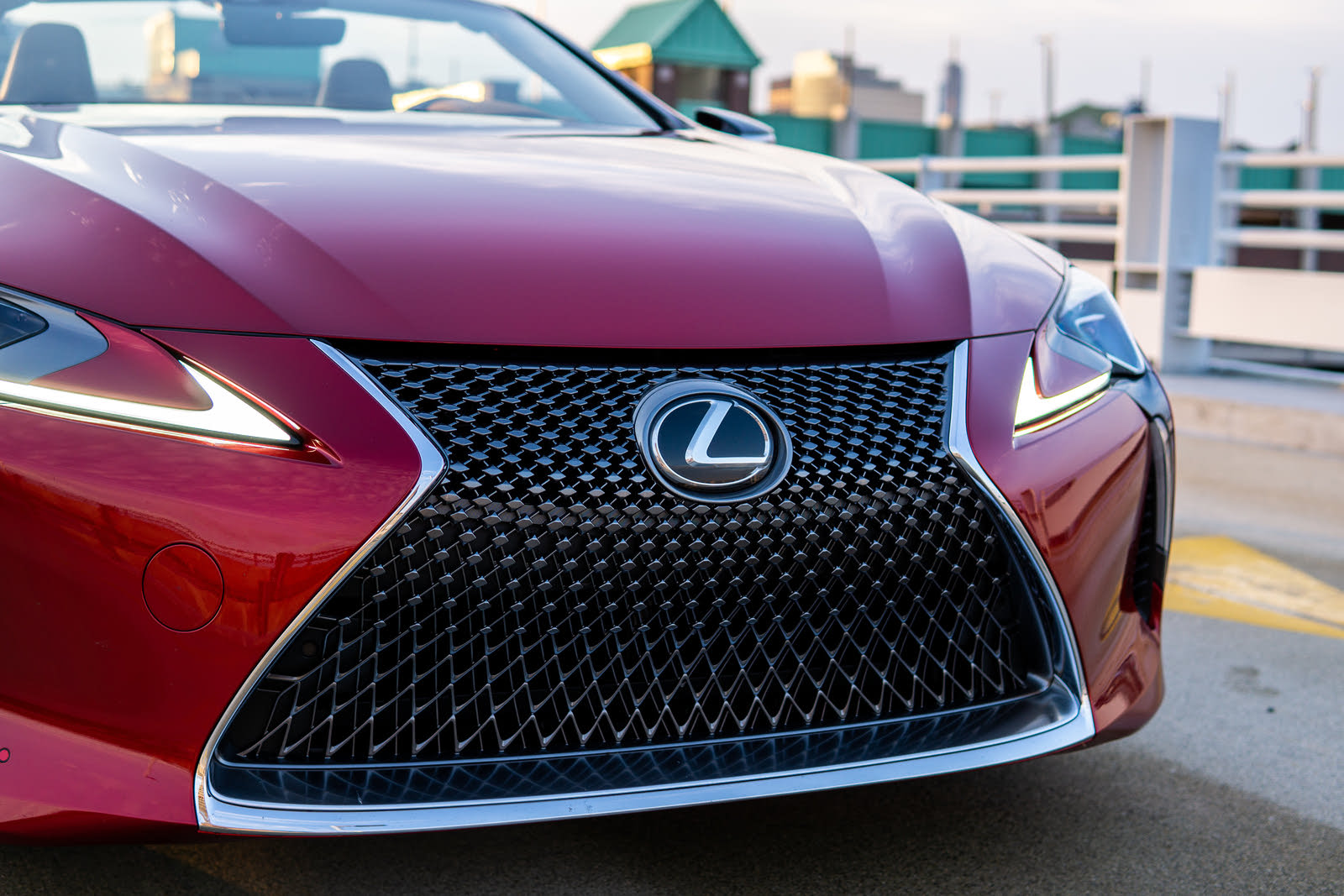
New-car pricing for the Lexus LC 500 crossed the $100k mark in the 2024 model year, but you can certainly find used examples under our price cutoff, and this is a great way to get supercar vibes without living with a punishing ride. The LC 500 is built more like a grand tourer: dramatic to look at, muscular when you ask for it, and comfortable when you don’t. Its naturally aspirated 5.0-liter V8 makes 471 hp and 398 lb-ft of torque, sent to the rear wheels through a 10-speed automatic, and the drive modes (especially Sport and Sport+) wake up the throttle and shift programming. Lexus also fits an active sport exhaust, so it stays neighbor-friendly at idle but delivers the full V8 soundtrack when you’re in the mood.
The LC’s visual impact is a big part of the value proposition—especially in coupe form, as the convertible tends to command a premium. It delivers a supercar-like sense of occasion inside and out. That said, it’s not a space-maximizer: rear seating is tight, and the convertible’s packaging means just 5 cubic feet of trunk space, so weekend bags may end up in the back. Tech is a mixed bag, with a 10.3-inch display and Apple CarPlay/Android Auto, but the trackpad-style interface feels behind the times; on the plus side, Lexus Safety System+ and standard blind-spot monitoring help bring modern driver-assist features to the party.
The CarGurus Verdict:"Lexus has never offered a coupe quite like the LC 500. It is a true flagship coupe, designed as a grand tourer. This means it has plenty of power on tap, but the focus is not singularly performance. The Lexus LC 500 is about comfortable, luxurious driving." - George Kennedy
CarGurus user rating: 4.8 out of 5 Percentage of Good and Great Deals available on CarGurus: 32.7% Overall CarGurus rating: 4 out of 5
The Tesla Model 3 Performance earns its spot on this list as the most affordable entry among our supercar picks. Following a recent refresh that brought meaningful styling updates alongside more track-oriented motor and chassis calibration, this top-tier trim now starts at around $56,000. Its dual-motor setup delivers instantaneous thrust from rest and pushes on to a top speed of 162 mph. Range exceeds 300 miles, and while the Long Range variant stretches farther on a single charge at 363 miles, the Performance still outpaces the vast majority of EVs in that department.
The dual-motor all-wheel-drive system can react to changing road conditions and redistribute torque in as little as 10 milliseconds. Combined with a low center of gravity courtesy of the floor-mounted battery pack, the result is a car that feels remarkably planted and composed through corners. The Model 3's interior reinforces its futuristic identity, with a vast central touchscreen serving as the command center for both the infotainment system and the instrument display.
CarGurus user rating: 5 out of 5 Percentage of Good and Great Deals available on CarGurus: 27.8% Overall CarGurus rating: 3.7 out of 5
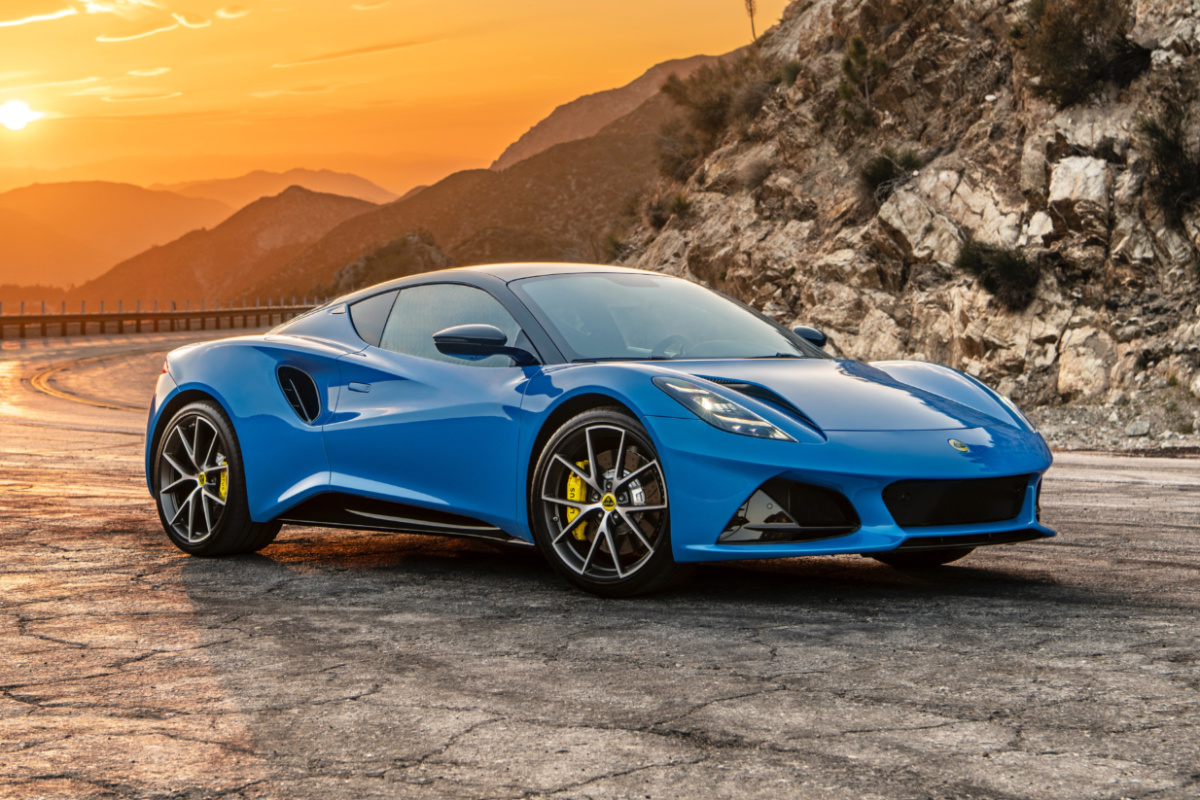
Having debuted for the 2025 model year, the Lotus Emira Turbo is simultaneously a bold leap forward and a loving nod to Lotus heritage. American enthusiasts had grown fond of the supercharged 3.5-liter V6 that powered the Evora and carried over into the Emira V6—but Lotus has a storied turbocharged legacy rooted in the iconic Esprit, and there's something undeniably right about a compact, mid-engined Lotus driven by a spirited turbocharged four-cylinder.
The new powertrain transforms the Emira into something genuinely electric in character. The Mercedes-AMG-sourced 2.0-liter engine develops an impressive 400 hp and 354 lb-ft of torque—more than sufficient motivation for a car tipping the scales at just 3,100 lbs. Behind the wheel, it's an absolute thrill: razor-precise handling, exceptionally communicative steering, lightning-fast shifts from its eight-speed dual-clutch automatic, and a level of everyday usability that makes it far more practical than its exotic appearance suggests. The Emira also steps up interior quality considerably over the Evora it replaces, with refined materials, a capable infotainment system, solid outward visibility, and genuinely comfortable seats.
Rather than offering adaptive dampers like many rivals, Lotus sticks with conventional passive damping in two flavors: Touring and Sport. Touring softens things slightly for urban driving, while Sport remains impressively composed for a performance-focused sports car. This pint-sized McLaren rival started at around $95,000 new when first introduced and delivers tremendous fun per dollar.
CarGurus user rating: 4.8 out of 5 Percentage of Good and Great Deals available on CarGurus: 30.3% Overall CarGurus rating: 3.7 out of 5
The Porsche Boxster is a beautifully balanced mid-engine roadster with a refined interior and snug yet supportive seating. Amenities like heated seats and dual-zone climate control come standard, and regardless of trim level, the Boxster delivers a driving experience that few rivals can match. In previous years, we featured the Boxster Spyder with its featherweight manual soft-top, but its pricing has since climbed beyond $100,000 — and pre-owned examples command even more. The Boxster GTS steps in as the natural alternative, sliding just within our budget.
The Cayman is the fixed-roof counterpart to the open-top Boxster. The hardtop doesn't add rear seats, but it does contribute more than 9 cubic feet of cargo space in the rear and 5.2 cubic feet in the frunk — respectable figures for a mid-engine sports car. While the base Cayman uses a turbocharged flat-four, the GTS steps up to a naturally aspirated 4.0-liter flat-six that transforms the car's character entirely.
The range-topping GT4 shares the same engine displacement as the GTS but is tuned to produce 493 hp and 331 lb-ft of torque. Buyers can choose between a six-speed manual or the lightning-quick PDK paddle-shift gearbox. The GT4 also adds an adaptive performance suspension, a torque-vectoring rear differential that applies braking to the inside wheel through corners for sharper turn-in, and more aggressive aerodynamic bodywork topped by a prominent fixed rear wing.
GT4 pricing sits well beyond our $100,000 ceiling — late-model examples consistently trade above MSRP — which brings our attention back to the 394-hp GTS. Starting at approximately $99,700, it covers the zero-to-60-mph sprint in 4.3 seconds and represents one of the finest driver's cars money can buy at this price point.
CarGurus user rating: 4.5 out of 5 Percentage of Good and Great Deals available on CarGurus: 29.7% Overall CarGurus rating: 3.7 out of 5
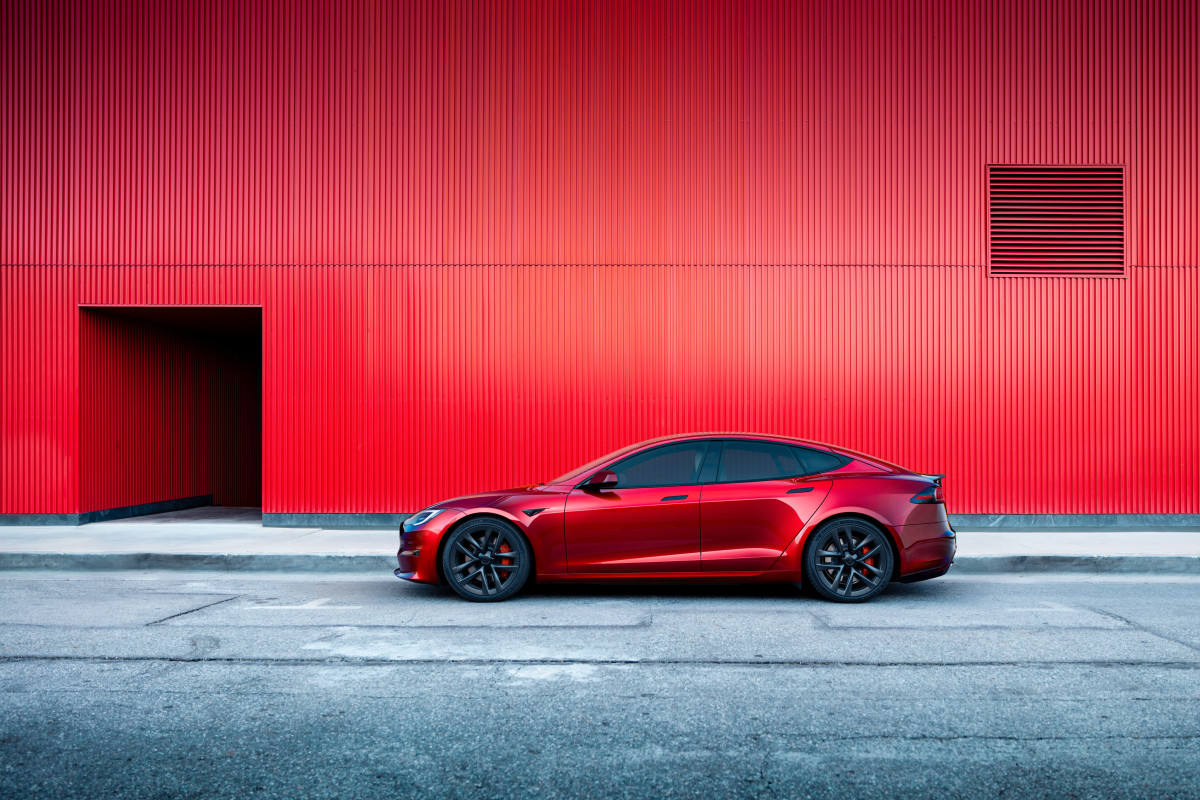
The flagship Tesla Model S Plaid has returned to our list, brought back within reach by a series of significant price reductions. The 2025 model carries a base MSRP of $94,990.
Tesla currently offers the Model S in two configurations: the standard Model S and the Model S Plaid. The Plaid steps things up dramatically with a staggering 1,020 hp produced by three high-performance electric motors, delivering instantaneous acceleration and a top speed of 200 mph. Driven with restraint, the EPA estimates 348 miles of range from the battery pack. But raw power is only part of the story — the Plaid also features torque vectoring, upgraded brakes engineered to withstand elevated temperatures, and a carbon fiber front lip spoiler to round out the performance package.
Though the core Model S architecture traces its origins back to 2012, it has been continuously refined and updated in virtually every dimension since then. Plaid interiors add carbon fiber trim elements to distinguish them from the standard Model S — a subtle but appreciated touch. Practicality remains a genuine strength for a car of this caliber: fold the rear seats flat and you have access to 64.6 cubic feet of cargo space; leave them upright and there's still a useful 25 cubic feet, plus an additional 3.1 cubic feet beneath the front hood.
What defines a "cheap supercar" in this price range?
While traditional supercars often cost hundreds of thousands of dollars, a "cheap supercar" under $100,000 delivers exotic-level acceleration, dramatic styling, and exceptional handling at a more attainable price. Vehicles in this category often include high-performance variants of sports cars, mid-engine coupes, and even ultra-fast electric vehicles that rival the performance of true exotics.
Can I use a high-performance car under $100,000 as a daily driver?
Yes, many vehicles in this price bracket are designed with everyday usability in mind. Cars like the BMW M2 and Mercedes-Benz C-Class offer functional cabins, modern infotainment systems, and usable trunk space. Even mid-engine options like the Chevrolet Corvette feature dual cargo areas that make them surprisingly practical for weekend trips and daily commutes.
Are electric vehicles considered supercars?
High-performance electric vehicles are increasingly blurring the lines of the supercar category. Models like the Lucid Air offer instant, effortless acceleration and horsepower figures that rival or exceed traditional gas-powered exotics, all while providing the comfort and practicality of a luxury sedan.
What are the maintenance costs like for these vehicles?
While generally more affordable to maintain than a traditional Italian exotic, high-performance cars under $100,000 still require specialized care. You should budget for premium fuel, high-performance tires (which wear out faster), and potentially higher insurance premiums. However, because many share components with mass-market brands, routine service is usually much more accessible and less expensive than a bespoke supercar.
Do these cars hold their value well?
Depreciation varies heavily by model. Limited-production performance trims, naturally aspirated V8 grand tourers like the Lexus LC, and highly sought-after sports cars tend to hold their value better than standard luxury sedans. Researching historical market data and owner reviews can help you identify which models are the best long-term investments.
What Makes CarGurus Best Cars Guides Different?
Most car-shopping websites publish lists of the best cars across a variety of categories, with recommendations generally driven by editorial expertise. Here's what makes ours different: In addition to the insights and verdicts of our team of car-testing experts, our best cars guides take into account other factors that we know matter to buyers-real owner experiences and current market value.
Our expert reviewers are among this country's most trusted automotive journalists, also writing for publications including US News and World Report, Edmunds, Digital Trends, J.D. Power, and Car & Driver. They put each car through real-world testing and create detailed reviews of performance in a range of categories, from practicality and driving manners to cost-effectiveness and safety.
We also analyze hundreds of thousands of used car listings on CarGurus.com to track which models consistently offer the highest percentage of best deals relative to how many are listed for sale. Then we factor in reviews from owners-people who actually live with these cars every day. Our proprietary Best Cars algorithm then creates a final Overall CarGurus rating combining expert scores, user reviews, and the percentage of listings that have earned the Good or Great Deal rating. This multi-pronged approach reveals not just which cars excel on paper, but which ones deliver satisfaction and value when you're ready to buy.
The CarGurus market data used in this guide was last updated in July 2026. Values were accurate at time of publication and should be used as a guide only.
From open-wheel racecars to specialty off-road vehicles, George Kennedy has driven it all. A career automotive journalist, George has been a contributor, editor, and/or producer at some of the most respected publications and outlets, including Consumer Reports, the Boston Globe, Boston Magazine, Autoblog.com, Hemmings Classic Wheels, BoldRide.com, the Providence Journal, and WheelsTV.
The content above is for informational purposes only and should be independently verified. Please see our Terms of Use for more details.