Finding the right car when you're on the shorter side involves more than just picking something that looks good in the driveway. Seat adjustability, sightlines, pedal reach, and the placement of controls all play a meaningful role in how comfortable and confident you'll feel behind the wheel every day. Vehicles that work well for shorter drivers tend to offer generous seat-height adjustment, intuitive cabin layouts that keep controls within easy reach, and good outward visibility — qualities that can make a real difference whether you're navigating a crowded parking garage or merging onto the highway.
The good news is that the market offers a wide range of options across different vehicle types, from compact sedans like the Honda Civic and Kia K4 to small SUVs like the Subaru Forester and Crosstrek Hybrid, and even a sport-utility pickup like the Hyundai Santa Cruz. Each brings its own set of tradeoffs in terms of seating position, cabin ergonomics, and practicality. The guide below covers ten vehicles that stand out for short drivers in 2026, drawing on expert road-test findings, real owner feedback, and current market value data to help you find the best fit.
What Makes CarGurus Best Cars Guides Different
The Best Cars for Short People in 2026
FAQs
Shopping Tools
Related Topics
1. BMW X1
CarGurus expert rating: 7.8 out of 10
CarGurus user rating: 4.6 out of 5
Percentage of Good and Great Deals available on CarGurus: 35.0%
Overall CarGurus rating: 4.6 out of 5
| Pros |
Cons |
| Standard all-wheel drive |
Some advanced safety features are not standard |
| Premium interior materials |
Features we really want bump the price up significantly |
| Fun to drive |
|
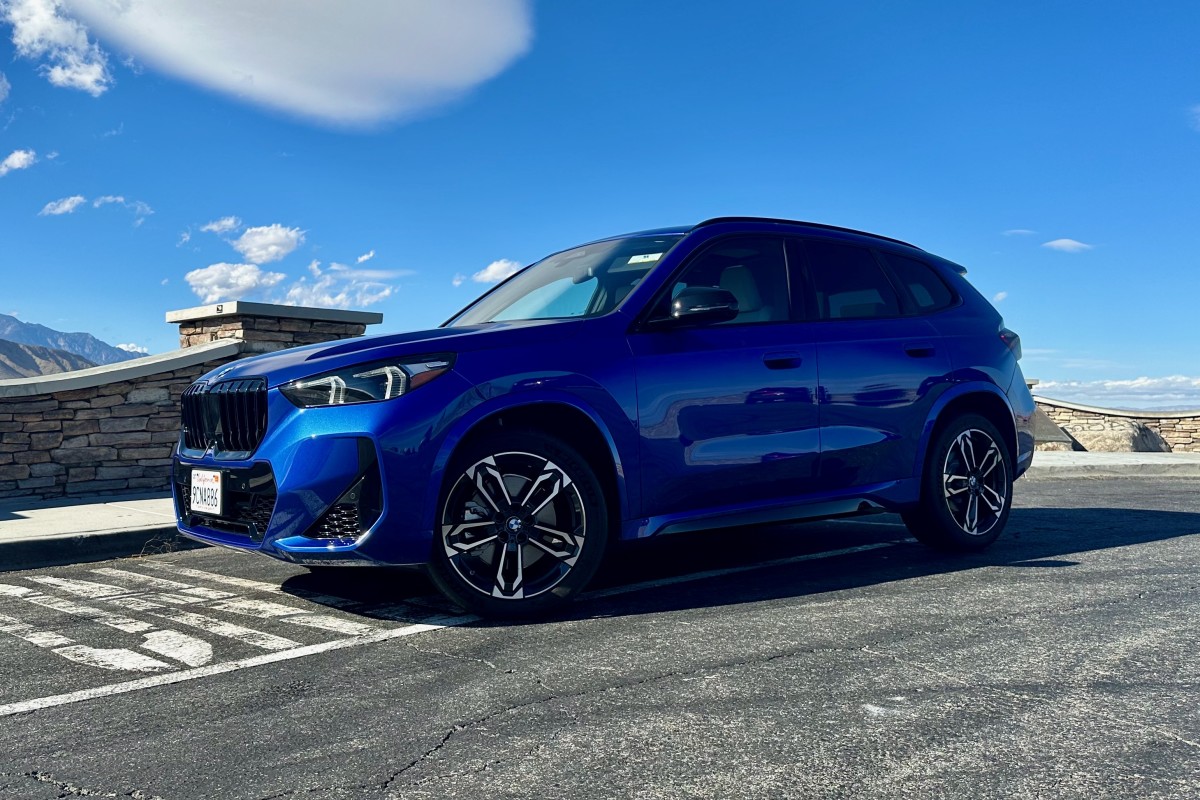
For shorter drivers who want the confidence and outward visibility of a small utility vehicle without the bulk of a bigger SUV, the BMW X1 fits the brief. BMW calls it a Sports Activity Vehicle (SAV), and in day-to-day use that translates to an easy-to-place footprint in traffic and parking, plus a ride height that helps you see over hoods and around corners without requiring a big climb to get in. It’s also a good match if you share the car with taller family members, since the driving position and cabin layout are designed to feel more “car-like” than truck-like.
Inside, the X1’s premium materials and overall finish help it feel like an upgrade from mainstream subcompact crossovers—useful when you’re trying to get comfortable quickly and stay comfortable on longer drives. Standard all-wheel drive is a practical plus for drivers who deal with rain or snow, and the X1’s “fun to drive” character matters when you don’t want a small vehicle to feel flimsy or disconnected. Just note that some advanced safety features aren’t standard, and popular options can raise the price fast, so it pays to shop listings carefully to get the features that matter most to you.
The CarGurus Verdict: "Don’t call it an SUV: In BMW parlance, the X1 is an SAV, or Sports Activity Vehicle." - Natalie Harrington
Read our most recent 2023 BMW X1 review
2. Honda CR-V
CarGurus expert rating: 7.8 out of 10
CarGurus user rating: 4.6 out of 5
Percentage of Good and Great Deals available on CarGurus: 33.8%
Overall CarGurus rating: 4.6 out of 5
| Pros |
Cons |
| Comfortable |
Irritating transmission |
| Plenty of cargo space |
Uninspired styling |
| Great ride and handling |
Lacks technological innovation |
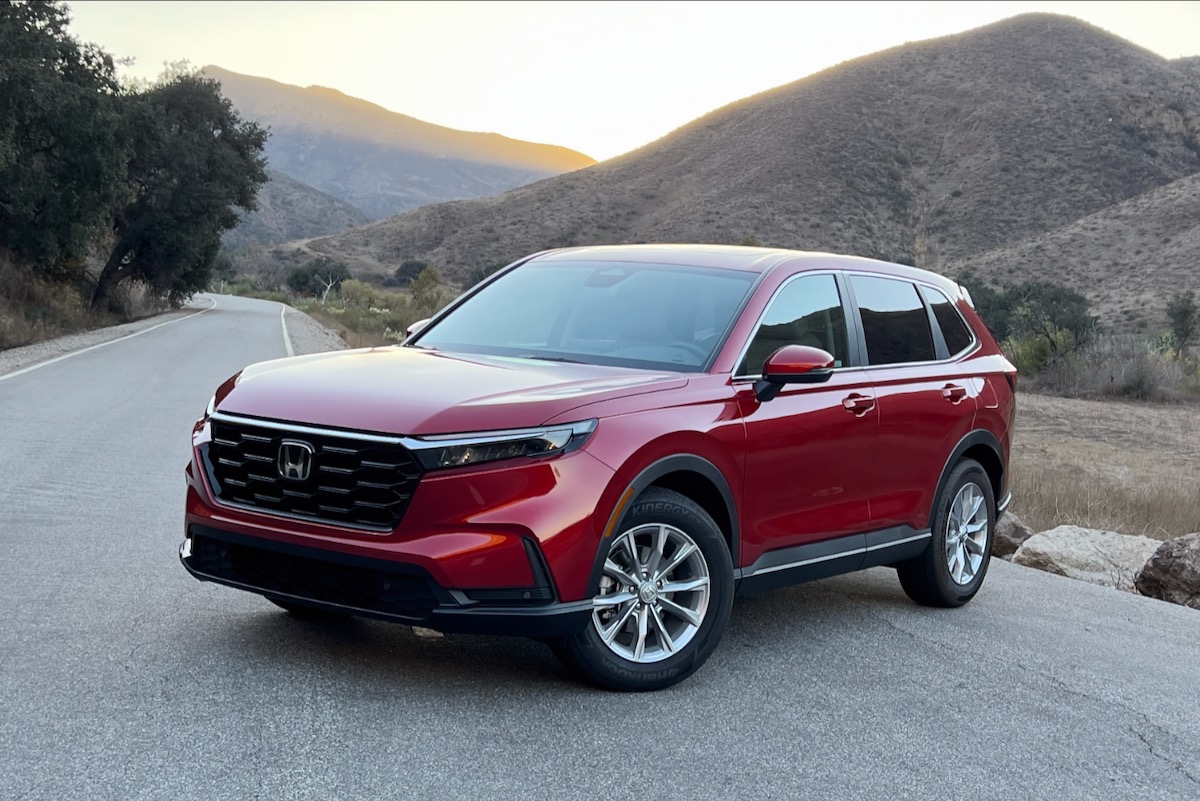
For shorter drivers, the 2023 Honda CR-V’s everyday ease is the main attraction: it’s a comfortable compact SUV that’s easy to live with, from the driving position to the way it behaves in traffic. In a segment where some crossovers can feel bulky or hard to place on the road, the CR-V’s ride and handling tuning helps build confidence behind the wheel—especially if you prefer a vehicle that feels predictable and manageable during parking-lot maneuvers and lane changes.
It’s also a practical pick when you don’t want to trade usability for a right-sized footprint. Honda gives the CR-V plenty of cargo space for groceries, strollers, and weekend gear, while keeping the cabin pleasant for daily commutes. The main drawbacks to know about are the transmission’s sometimes-annoying behavior and a tech experience that doesn’t feel especially innovative, so it’s worth spending time on a test drive and trying the features you’ll use most often.
The CarGurus Verdict: "With the redesigned 2023 CR-V, Honda hones its compact crossover SUV to near perfection." - Christian Wardlaw
Read our most recent Honda CR-V review

3. Subaru Forester
CarGurus expert rating: 7.5 out of 10
CarGurus user rating: 4.6 out of 5
Percentage of Good and Great Deals available on CarGurus: 35.0%
Overall CarGurus rating: 4.6 out of 5
| Pros |
Cons |
| Impressive off-road capability |
Potentially polarizing design |
| Lots of utility |
Sluggish performance |
| Good safety ratings |
Dissatisfying infotainment system |
The Subaru Forester has long had certain strengths that make it easy to live with, even for shorter drivers: a tall, practical body and big windows that help you place the corners of the vehicle in traffic, tight parking lots, and trailhead pull-offs. The driving position is naturally upright, and the 10-way power driver's seat makes it easier to dial in a comfortable reach to the wheel and pedals; up front, the passenger seat sits notably high, which helps with support and outward view. Subaru also redesigned the center console for 2026 with better small-item storage and easier bottle fitment—details that matter when you don't want to stretch or fumble for essentials.
The Wilderness trim adds genuine rough-road confidence without sacrificing the day-to-day calm that's helpful when you're trying to feel in control behind the wheel. Power comes from a 2.5-liter four-cylinder making 180 hp and 178 lb-ft of torque, routed through a CVT and standard all-wheel drive (AWD); it's tuned here with a shorter final-drive ratio for better low-speed response, and towing capacity rises to 3,500 pounds. You also get 9.3 inches of ground clearance, underbody protection, and a full-size all-terrain spare, while the boxy cargo area still delivers 27.5 cubic feet behind the rear seats (69.1 cubic feet with them folded). EyeSight driver-assist tech (including adaptive cruise control and lane-centering assist) and available digital gauges add convenience, though the portrait-style infotainment layout can feel busy, and the trail camera views can look distorted when precision matters.
The CarGurus Verdict: "Push the new 2026 Forester Wilderness to its limits, and you'll be impressed by its off-roading capability. But, even if you're not planning to traverse challenging terrain, it is comforting to know that the Wilderness offers more competence than a typical crossover SUV when confronted with unexpected situations." - Christian Wardlaw
Read our most recent Subaru Forester review
4. Toyota Camry
CarGurus expert rating: 7.8 out of 10
CarGurus user rating: 4.5 out of 5
Percentage of Good and Great Deals available on CarGurus: 33.0%
Overall CarGurus rating: 4.6 out of 5
| Pros |
Cons |
| Fuel-efficient |
Uninspired styling |
| Easy-to-use technology |
Not much cargo space |
| Great safety ratings |
Stereo is lacking |
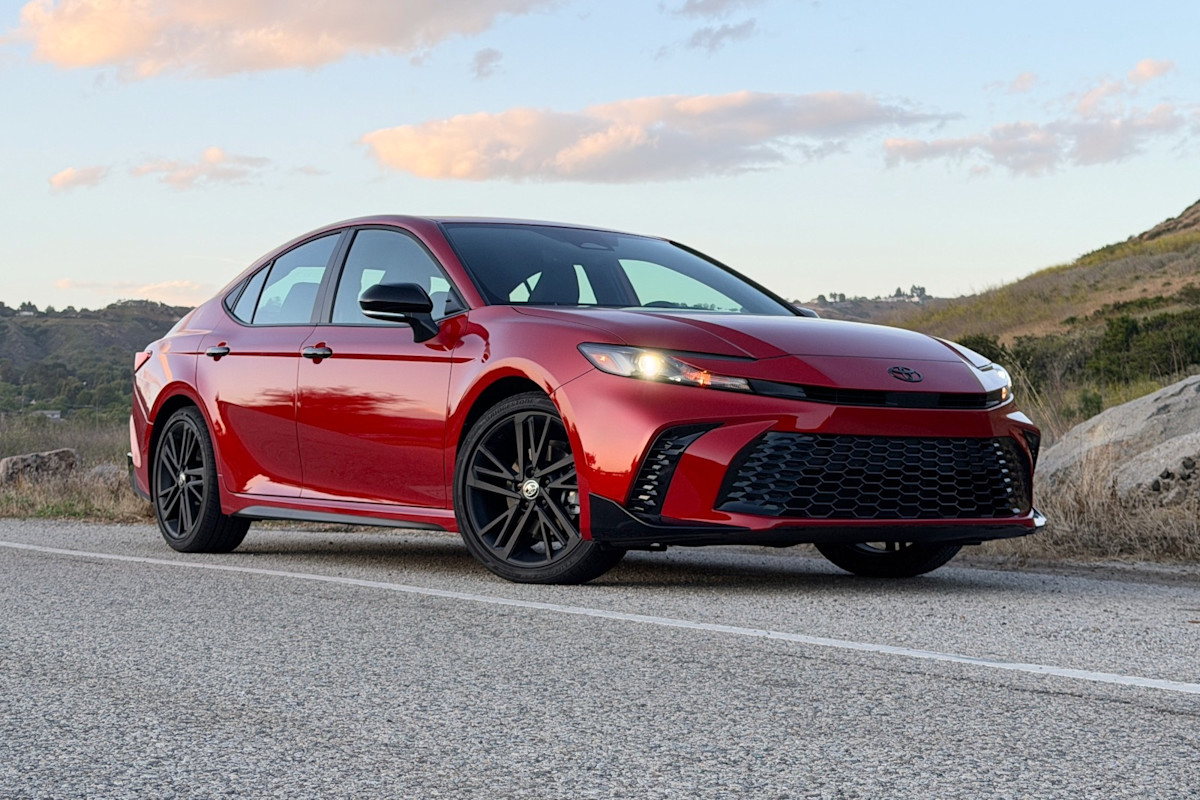
For shorter drivers, the Camry’s biggest day-to-day win is how easy it is to live with: controls are straightforward, the tech is designed to be simple to learn, and the car’s practical, no-drama personality makes it a comfortable fit when you want to set your seat, mirrors, and steering wheel once and just get on with your commute. If you’ve ever felt overwhelmed by fussy menus or confusing buttons, the Camry’s user-friendly approach helps reduce distraction—especially valuable when you’re already spending extra effort dialing in a good driving position.
It also checks key boxes for peace of mind. The 2026 Camry is positioned as affordable, efficient, and safe, which is a strong combination for shoppers who want a sedan that’s easy to drive and easy on running costs without giving up modern driver-assistance features. Just keep in mind the tradeoffs noted here: cargo space isn’t a highlight, and while the Camry is a smart pick for practicality, it’s not trying to wow you with styling flair or premium audio.
The CarGurus Verdict: "Affordable, efficient, and safe, the 2026 Toyota Camry is all about practicality." - Christian Wardlaw
Read our most recent Toyota Camry review
5. Chrysler Pacifica
CarGurus expert rating: 6.8 out of 10
CarGurus user rating: 4.4 out of 5
Percentage of Good and Great Deals available on CarGurus: 37.7%
Overall CarGurus rating: 4.5 out of 5
| Pros |
Cons |
| Stow 'n Go seating offers unmatched cargo flexibility |
New front-end styling is polarizing |
| Confidence-inspiring V6 power |
Real-world fuel economy trails EPA estimates |
| Good third-row legroom |
Tech feels outdated |
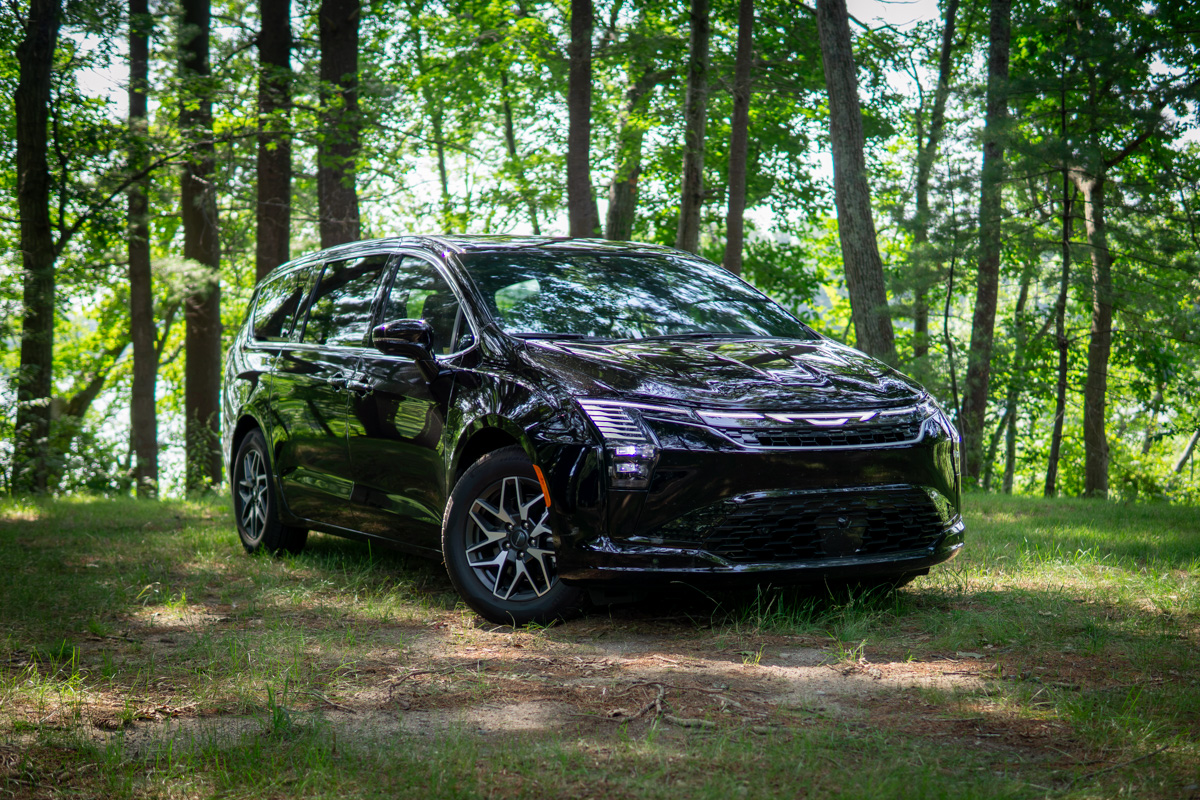
For shorter drivers, the Pacifica’s minivan shape tends to work in your favor in everyday use: you get an upright seating position, a wide windshield view, and easy step-in access that doesn’t require climbing up into the cabin. It’s also a practical fit for families who want sliding-door convenience in tight parking spots, plus a roomy third row for kids, teens, or shorter adults without feeling cramped.
The Pacifica’s biggest real-world win is its Stow ’n Go seating, which makes it easier to switch between people-hauling and cargo duty without wrestling heavy seats out of the vehicle—helpful when you want a simpler, more manageable setup. The flip side is that this refresh doesn’t change the model’s existing pain points: the new front-end look is divisive, the onboard tech can feel behind newer rivals, and fuel economy may not match expectations if you do lots of stop-and-go driving.
The CarGurus Verdict: "A lackluster refresh gives the Chrysler Pacifica a new face, but the minivan’s strengths and weaknesses remain unchanged." - Matt Smith
Read our most recent Chrysler Pacifica review
Search for Chrysler Pacifica
See all

6. Honda Civic
CarGurus expert rating: 6.8 out of 10
CarGurus user rating: 4.5 out of 5
Percentage of Good and Great Deals available on CarGurus: 31.9%
Overall CarGurus rating: 4.5 out of 5
| Pros |
Cons |
| Choice of body styles |
All-wheel drive not available |
| Enjoyable to drive |
Noisy at speed |
| Premium interior materials |
Outdated technology |
The Civic is a familiar sight, but it's well worth a second look—especially for shorter drivers who prioritize an easy-to-live-with cabin. Honda's clean, logical layout and straightforward controls help keep everything within comfortable reach, and the Civic's "normal" PRNDL shifter and excellent physical knobs for climate and audio reduce the need to stretch for touchscreen menus. The Sport trim we drove also gets blind-spot monitoring and rear cross-traffic alert (features you can't get on the base LX), which can be a real confidence booster if you sit closer to the wheel and prefer extra help keeping track of what's alongside you.
On the road, the Civic Sport's 150 hp 2.0-liter four-cylinder and continuously variable transmission (CVT) are adequate for daily driving, and the car's precise steering and well-tuned suspension make it feel responsive without being intimidating. Shorter drivers may appreciate the Civic's low, carlike feel and the generous rear door opening that helps with back-seat access despite the car sitting close to the ground. It's also a practical compact sedan: the trunk holds 14.8 cubic feet, the rear seat folds 60/40 for longer items, and there's even a temporary spare under the floor for extra peace of mind.
The CarGurus Verdict: "You'll pay a premium to buy a Honda Civic. In many ways, it's worth the extra money. In others, not so much. Still, while there are better deals in the compact car class, few are as satisfying to drive, and that's true even when the Civic is equipped with its base engine." - Christian Wardlaw
Read our most recent Honda Civic review
7. Kia Sportage
CarGurus expert rating: 7.3 out of 10
CarGurus user rating: 4.5 out of 5
Percentage of Good and Great Deals available on CarGurus: 34.8%
Overall CarGurus rating: 4.5 out of 5
| Pros |
Cons |
| Stylish design |
Fairly pedestrian performance |
| Great safety ratings |
X-Pro’s underwhelming value proposition |
| Impressive technology |
|
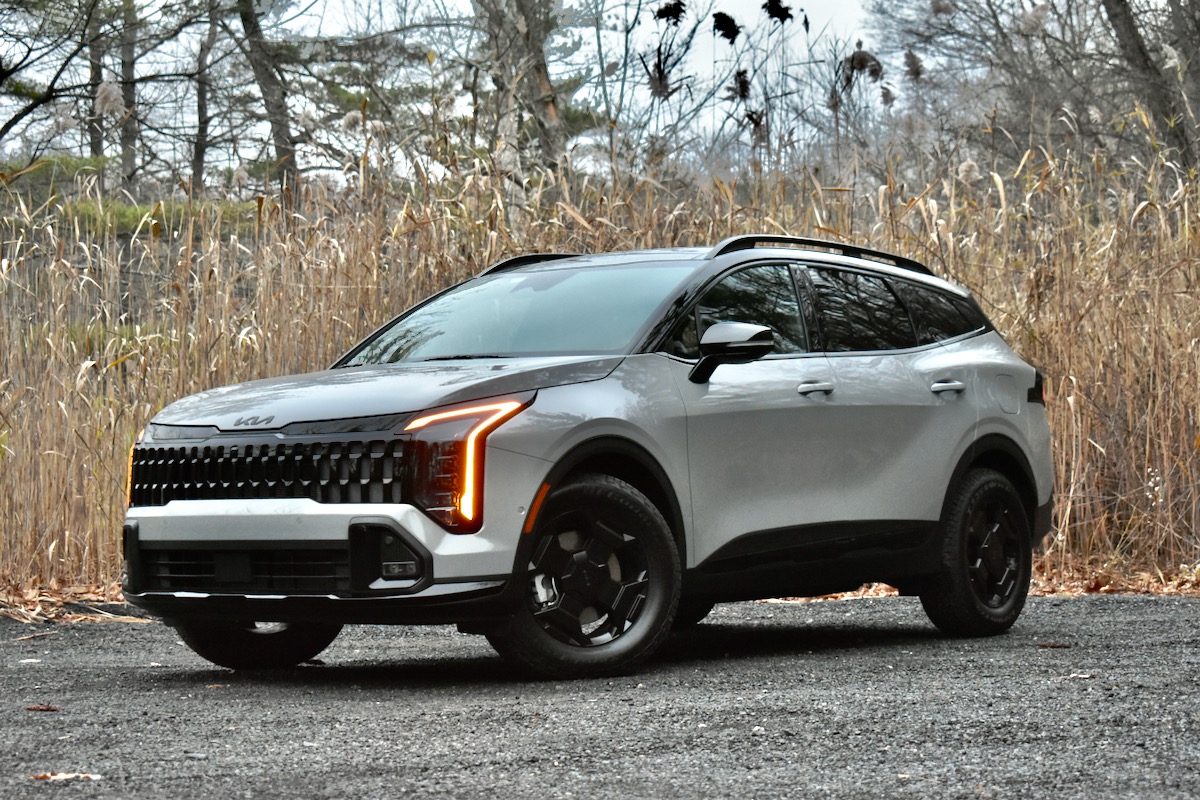
For shorter drivers, the 2026 Kia Sportage fits the brief as an easy-to-live-with compact SUV: the size is manageable in tight parking lots, and the upright seating position many shoppers want in a crossover can help with forward visibility and confidence in traffic. Kia also continues to lean into a modern, stylish design, which matters if you want a practical daily driver that doesn’t feel like a penalty box.
This update also keeps the Sportage in a strong place for safety and tech—two areas that can make day-to-day driving less stressful for drivers who prefer a “set it and forget it” experience once they’ve found a comfortable seating position. The main trade-off is that performance is described as fairly pedestrian, so it’s better suited to commuting and errands than brisk passing or enthusiastic back-road driving, and the X-Pro trim’s value proposition may not pencil out if you’re simply shopping for comfort and convenience.
The CarGurus Verdict: "The long-running Kia nameplate gets another update for the 2026 model year." - Stephen Edelstein
Read our most recent 2026 Kia Sportage review

8. Mazda CX-30
CarGurus expert rating: 7 out of 10
CarGurus user rating: 4.7 out of 5
Percentage of Good and Great Deals available on CarGurus: 37.8%
Overall CarGurus rating: 4.5 out of 5
| Pros |
Cons |
| Stylish design |
Cramped back seat |
| Fun to drive |
Not much cargo space |
| Great safety ratings |
Unintuitive infotainment interface |
For shorter drivers who want an SUV vibe without the bulk, the Mazda CX-30’s biggest advantage is right in the description: it’s “really small.” That smaller footprint can make it easier to place in your lane, judge corners, and park in tight spots—daily tasks that can feel more stressful in taller, wider crossovers. It also leans into the things shoppers typically notice from the driver’s seat first, with a stylish design and a fun-to-drive attitude that helps it feel more like a sporty hatchback than a mini SUV.
The trade-offs are worth considering if you regularly carry adults in the back or travel heavy: the rear seat is cramped and cargo space is limited, which can matter when you’re loading strollers, groceries, or airport luggage. On the plus side for peace of mind, the CX-30 earns praise for great safety ratings; just be ready for a learning curve with the infotainment interface, which can be unintuitive when you’re trying to make quick adjustments on the go.
The CarGurus Verdict: "The 2026 Mazda CX-30 is stylish, speedy, safe, and really small." - Christian Wardlaw
Read our most recent Mazda CX-30 review

9. Mazda MX-5 Miata
CarGurus expert rating: 7.5 out of 10
CarGurus user rating: 4.8 out of 5
Percentage of Good and Great Deals available on CarGurus: 32.0%
Overall CarGurus rating: 4.4 out of 5
| Pros |
Cons |
| Fun to drive |
Unintuitive technology |
| Great handling |
Not much cargo space |
| Stylish design |
Limited interior space |
For shorter drivers who want something genuinely entertaining, the 2025 Mazda MX-5 Miata keeps things simple: it’s a no-frills sports car that refuses to grow old. That back-to-basics approach can be a real plus if you’d rather focus on the drive than fiddle with layers of settings, and it matches the Miata’s easygoing, approachable personality.
At the same time, this is a small two-seater with limited interior room, so comfort and day-to-day fit will come down to how well you like a snug cockpit. The Miata’s tradeoffs are easy to understand—minimal cargo space and some unintuitive tech—so it works best for short drivers looking for a fun, stylish second car or a commuter that makes every errand feel like a quick getaway.
The CarGurus Verdict: "The 2025 Mazda MX-5 is a no-frills sports car that refuses to grow old." - Emme Hall
Read our most recent 2025 Mazda MX-5 Miata review
The Best Cars for Short People in 2026 FAQs
What should short drivers look for when buying a car?
The most important factors are seat adjustability, pedal reach, and sightlines. Look for vehicles with a height-adjustable driver's seat — ideally power-operated — along with a telescoping steering column so you can position the wheel without compromising your view of the road. Physical controls for climate and audio are also worth prioritizing, since they reduce the need to lean forward or stretch toward a touchscreen. Blind-spot monitoring and rear cross-traffic alert can add extra confidence if your seating position limits over-the-shoulder visibility.
Are compact sedans or SUVs better for short drivers?
Both can work well, but they offer different advantages. Compact sedans like the Honda Civic, Kia K4, and Hyundai Elantra sit lower to the ground, which makes them easier to get in and out of and gives a more natural driving position for many shorter drivers. Small SUVs like the Subaru Forester and Crosstrek Hybrid offer a higher seating position that can improve forward visibility and make it easier to see over the hood. The best choice depends on your personal preference for seating height and the type of driving you do most.
Is a full-size truck like the Ford F-150 practical for a short person?
It can be, but it requires more careful shopping. The 2026 F-150 offers good sight lines and a wide range of cab and bed configurations that let you manage the truck's overall size. However, step-in height can be a real challenge, and lower trims may not include power seats, which are important for dialing in a comfortable driving position. If you need a full-size truck, look for trims with power-adjustable seats and consider optional running boards to make entry and exit easier.
Which cars on this list are best for short drivers who also want good fuel economy?
The 2026 Subaru Crosstrek Hybrid and the 2025 Toyota Prius are the most fuel-focused options on the list. The Crosstrek Hybrid adds efficiency to Subaru's standard AWD setup and delivers a compact, easy-to-manage footprint. The Prius offers strong hybrid economy but comes with some ergonomic tradeoffs — its low roofline and distant gauge cluster can be less comfortable for shorter drivers compared to taller alternatives. The Honda Civic and Nissan Sentra are also solid choices if you want good fuel economy in a conventional compact sedan.
Do any of these cars have features specifically helpful for shorter drivers?
Several stand out for short-driver-friendly features. The Subaru Forester Wilderness offers a 10-way power driver's seat for precise positioning. The Nissan Sentra's zero-gravity front seats are designed for comfort across a range of body types, and higher trims add lumbar support. The Hyundai Santa Cruz gives the driver seat height adjustment for a better eyeline. The Subaru Crosstrek Hybrid's available 360-degree surround-view camera helps with parking confidence. And the Honda Civic's physical knobs for climate and audio mean less reaching toward the center stack during everyday driving.
What Makes CarGurus Best Cars Guides Different?
Most car-shopping websites publish lists of the best cars across a variety of categories, with recommendations generally driven by editorial expertise. Here's what makes ours different: In addition to the insights and verdicts of our team of car-testing experts, our best cars guides take into account other factors that we know matter to buyers-real owner experiences and current market value.
Our expert reviewers are among this country's most trusted automotive journalists, also writing for publications including US News and World Report, Edmunds, Digital Trends, J.D. Power, and Car & Driver. They put each car through real-world testing and create detailed reviews of performance in a range of categories, from practicality and driving manners to cost-effectiveness and safety.
We also analyze hundreds of thousands of used car listings on CarGurus.com to track which models consistently offer the highest percentage of best deals relative to how many are listed for sale. Then we factor in reviews from owners-people who actually live with these cars every day. Our proprietary Best Cars algorithm then creates a final Overall CarGurus rating combining expert scores, user reviews, and the percentage of listings that have earned the Good or Great Deal rating. This multi-pronged approach reveals not just which cars excel on paper, but which ones deliver satisfaction and value when you're ready to buy.
The CarGurus market data used in this guide was last updated in October 2026. Values were accurate at time of publication and should be used as a guide only.
Shopping Tools
Related Topics